Top 10 CNC Milled Parts Suppliers for Global Buyers
Global buyers increasingly depend on precision machining for aerospace, medical, automotive, robotics, and industrial equipment. Cnc Milled Parts support this demand through accurate multi-axis cutting, repeatable tolerances, and flexible material choices. Grand View Research identifies computer numerical control machines as a growing global manufacturing market, driven by automation, shorter production cycles, and customized components. The report also highlights rising adoption among small and medium-sized manufacturers.
However, machine capability alone does not prove supplier reliability. A polished website can hide weak inspection systems, unstable lead times, or limited engineering support. I have seen promising prototypes delayed by unclear drawings, incomplete material certificates, and inconsistent surface finishing. Small details matter.
This guide evaluates ten Cnc Milled Parts suppliers for international buyers. The comparison considers machining accuracy, equipment range, material expertise, quality certifications, communication, export experience, and production scalability. These criteria reflect practical purchasing risks, not advertising claims. ISO 9001 certification remains useful, but it should be checked against inspection records, calibration practices, and traceable documentation. For medical and aerospace work, buyers should also review relevant sector approvals and process controls.
The World Economic Forum’s manufacturing research continues to emphasize digital production, resilient supply chains, and data-based quality management. Those priorities shape this selection. Still, no ranking is perfect. Supplier performance may change by project, volume, tolerance, and destination country. Buyers should request current samples, detailed quotations, and realistic delivery schedules before placing orders. A supplier that excels at aluminum prototypes may struggle with hardened steel production. That difference can affect cost, quality, and trust.
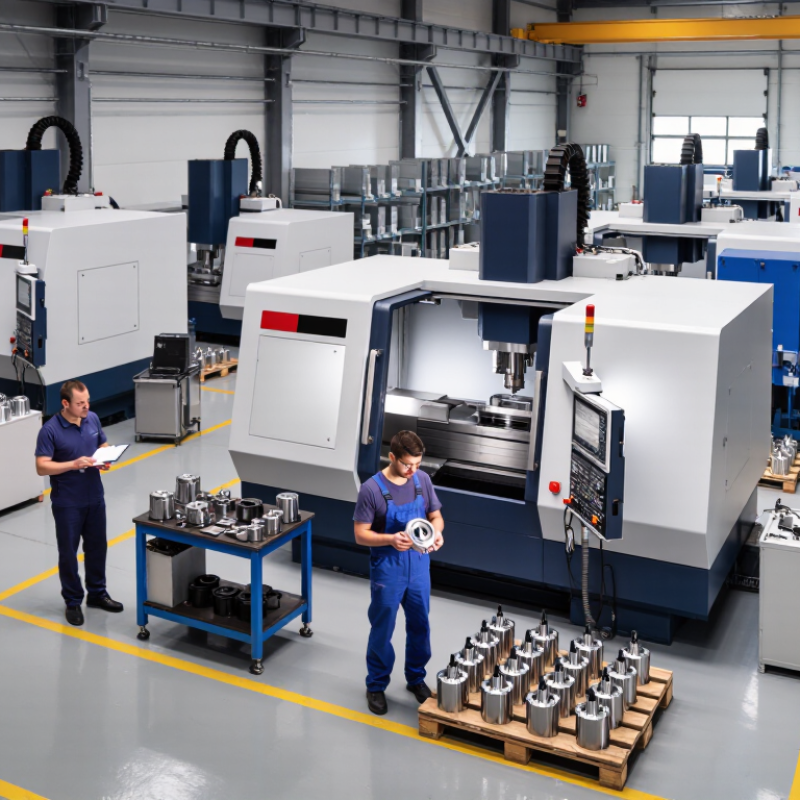
What CNC Milled Parts Suppliers Provide
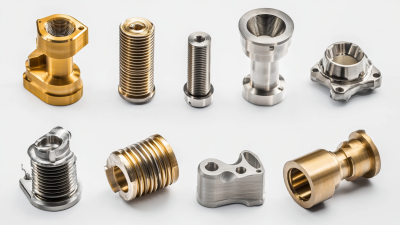
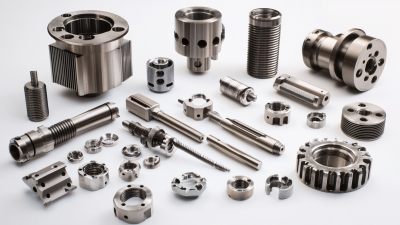
CNC milled parts suppliers provide more than metal cutting. They translate 2D drawings or 3D CAD files into finished components. Typical services include design-for-manufacturing feedback, material sourcing, multi-axis milling, drilling, tapping, deburring, and surface treatment. Many suppliers also offer prototypes and low-volume production, helping buyers test fit before ordering hundreds of parts.
Quality evidence matters. The ISO Survey reports more than one million ISO 9001 certificates worldwide, showing how common structured quality systems have become. However, certification alone proves little about one specific batch. Ask for inspection reports, material certificates, dimensional records, and traceability from raw stock to shipment. Coordinate measuring machines can verify tight features, while first-article inspection confirms the production setup. Small details matter.
Suppliers increasingly provide digital communication and production visibility. Deloitte’s 2024 Smart Manufacturing and Operations Survey found that 86% of manufacturers view smart manufacturing as important to competitiveness within five years. In practice, buyers may receive online quotations, drawing reviews, progress updates, and nonconformance reports. Useful, but not flawless. A fast quote can hide unclear tolerances or unrealistic finishes. Experienced suppliers should question those risks before machining begins, not after a rejected delivery. Ask about achievable tolerances, inspection frequency, packaging, and corrective-action procedures. A reliable partner explains limitations plainly. That is often more valuable than impressive equipment lists.
How the Top Ten Suppliers Are Evaluated
Top 10 CNC Milled Parts Suppliers for Global Buyers
How the Top Ten Suppliers Are Evaluated
The evaluation begins with production evidence, not polished websites. Suppliers are compared through sample parts, tolerance records, and inspection procedures. A useful trial part may include a 0.02 mm bore, thin walls, and visible surface requirements. This reveals practical machining skill. It also exposes weak process control.
Engineering capability carries serious weight. Reviewers examine machine accuracy, five-axis access, tooling strategy, and material experience. They check whether drawings are reviewed before quoting. Clear feedback can prevent costly mistakes. Quality systems matter too. Inspectors should provide calibrated measurement records, material certificates, and traceability for each batch. Independent certifications help, but daily discipline matters more.
Reliability is measured across real communication and delivery events. Evaluation teams track response times, revision handling, packaging quality, and shipment consistency. A supplier that reports a delay early may be more dependable than one offering an unrealistic promise. Global buyers also need secure document control and practical export experience. Pricing is included, but it never stands alone.
No ranking is perfect. A supplier may deliver excellent aluminum parts yet struggle with hardened steel. Another may show strong inspection reports but communicate slowly across time zones. These weaknesses deserve attention. Site audits and repeat orders can reveal what a single sample cannot. The final assessment should remain evidence-based, cautious, and open to revision.
Supplier Profiles and Manufacturing Strengths
Top 10 CNC Milled Parts Suppliers for Global Buyers
The global CNC machine market was estimated at about USD 88 billion in 2023, according to Grand View Research. Its projected growth reflects rising demand for accurate, low-volume components. Supplier profiles should therefore show more than equipment lists. They should explain process control, material experience, inspection methods, and delivery capacity.
A strong top-ten selection can include suppliers with different manufacturing strengths. One may specialize in rapid prototypes and short runs. Another may focus on five-axis machining for curved aerospace structures. Others may excel in aluminum housings, stainless steel fittings, hardened tooling, or complex medical components. Buyers should check tolerance records, surface-finish samples, and first-article inspection reports. Real evidence matters.
Production scale matters too. A 2024 manufacturing outlook from Deloitte identified labor shortages and supply-chain resilience as major industry concerns. Suppliers with automated inspection, multi-shift capacity, and documented backup processes may reduce disruption risks. However, rankings can mislead. A large workshop may struggle with a small urgent order. A smaller supplier may provide better engineering feedback. Ask for sample reports, machine age, calibration intervals, and corrective-action examples. Weak documentation is a warning sign. Sometimes, the quiet supplier is the safer choice.
Comparing Quality, Capacity, Pricing, and Lead Times
Comparing the top ten CNC milled parts suppliers requires more than reviewing hourly rates. Quality begins with material traceability, calibrated machines, and documented inspection methods. During supplier evaluations, I check CMM reports, first-article samples, and edge conditions under magnification. A clean surface can still hide incorrect hole positions. That detail matters.
Capacity varies sharply between suppliers. Some manage five-axis prototypes well but struggle with repeat production. Others operate several machining centers and maintain stable output across thousands of parts. I compare spindle availability, backup equipment, operator coverage, and quality staffing. A full workshop is not always efficient. Bottlenecks still appear.
Pricing should include tooling, programming, finishing, packaging, and inspection fees. The lowest quotation may exclude critical work. Lead times also need practical testing. Ask whether the quoted ten days includes material purchasing and final inspection. Strong suppliers provide realistic schedules and communicate changes early. I prefer measured promises over impressive ones. Yet, even reliable teams can miss a deadline when drawings change late or raw material arrives with certification issues. Buyers should request milestone updates, sample approval points, and clear responsibility for rework.
Top 10 CNC Milled Parts Suppliers for Global Buyers - Comparing Quality, Capacity, Pricing, and Lead Times
| Rank |
Anonymous Supplier Profile |
Typical Materials |
Typical Tolerance |
Monthly Capacity |
Quality Level |
Relative Price Index |
Prototype Lead Time |
Production Lead Time |
Best Fit |
| 1 |
Profile A — Precision Production Specialist |
Aluminum, stainless steel, titanium, PEEK |
±0.005–0.010 mm |
5,000–20,000 parts |
Very High |
125–150 |
5–8 business days |
15–25 business days |
Aerospace, medical, inspection-critical parts |
| 2 |
Profile B — High-Volume Metal Machining Partner |
Aluminum, brass, carbon steel, stainless steel |
±0.010–0.020 mm |
20,000–60,000 parts |
High |
90–115 |
7–12 business days |
20–35 business days |
Automotive, industrial equipment, repeat orders |
| 3 |
Profile C — Rapid Prototyping and Low-Volume Expert |
Aluminum, ABS, POM, nylon, stainless steel |
±0.020–0.050 mm |
500–5,000 parts |
High |
100–130 |
2–5 business days |
10–20 business days |
Product development, fixtures, engineering samples |
| 4 |
Profile D — Cost-Competitive Export Manufacturer |
Aluminum, brass, mild steel, engineering plastics |
±0.020–0.050 mm |
10,000–40,000 parts |
Good |
65–90 |
8–14 business days |
25–40 business days |
Commercial hardware and price-sensitive programs |
| 5 |
Profile E — Multi-Axis Complex Geometry Provider |
Titanium, aluminum, Inconel, stainless steel |
±0.010–0.020 mm |
2,000–10,000 parts |
Very High |
140–180 |
10–15 business days |
30–50 business days |
Complex aerospace and energy components |
| 6 |
Profile F — Certified Medical and Clean-Process Supplier |
316L stainless steel, titanium, PEEK, acetal |
±0.010–0.025 mm |
1,000–8,000 parts |
Very High |
135–170 |
8–14 business days |
25–45 business days |
Medical devices and traceability-sensitive parts |
| 7 |
Profile G — Small-Batch Industrial Machining Workshop |
Aluminum, steel, brass, bronze, plastics |
±0.020–0.050 mm |
300–4,000 parts |
Good |
85–115 |
5–10 business days |
15–30 business days |
Maintenance parts, custom machinery, pilot runs |
| 8 |
Profile H — Finish and Assembly Integration Specialist |
Aluminum, stainless steel, zinc, ABS, nylon |
±0.020–0.050 mm |
5,000–25,000 parts |
Good |
95–125 |
7–12 business days |
20–35 business days |
Consumer products and ready-to-assemble modules |
| 9 |
Profile I — Regional Nearshore Supply Partner |
Aluminum, stainless steel, carbon steel, POM |
±0.015–0.030 mm |
3,000–15,000 parts |
High |
110–140 |
5–9 business days |
15–30 business days |
Shorter logistics routes and responsive replenishment |
| 10 |
Profile J — Flexible General-Purpose CNC Supplier |
Aluminum, brass, steel, stainless steel, plastics |
±0.030–0. workspace?050 mm |
2,000–12,000 parts |
Good |
75–105 |
7–14 business days |
20–40 business days |
General industrial parts and mixed-material orders |
Note: The supplier profiles are anonymized market-benchmark categories. Capacity, tolerance, pricing, and lead-time figures are indicative ranges for comparable CNC-milled part programs and should be confirmed through drawings, materials, quantities, inspection requirements, finishing specifications, and shipping terms.
Pricing index: 100 represents the approximate median quoted price for the same part, material, quantity, surface finish, and inspection scope.



 Find Your Solutions ▶