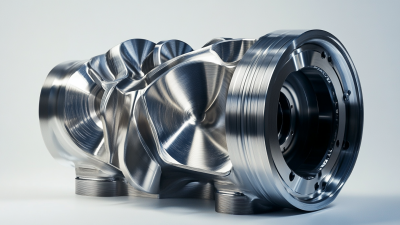
What Are the Top 10 Precision Machining Companies in China?
China’s machining sector serves demanding markets, from medical devices and aerospace components to electric vehicles and industrial automation. Precision Machining turns digital designs into parts with controlled dimensions, finishes, and repeatability. Yet a polished website does not prove production capability. Buyers need evidence from equipment, inspection methods, sample parts, and documented quality systems.
The International Federation of Robotics reported 276,288 industrial robot installations in China in 2023, representing 51% of global installations in its World Robotics 2024 report. China’s National Bureau of Statistics reported 5.0% growth in manufacturing value added that year. These figures describe a broad industrial base, not machining quality itself. Still, they help explain why buyers find a large, varied supplier landscape. Measurement-science pioneer Lord Kelvin offered a useful principle: “When you can measure what you are speaking about, and express it in numbers, you know something about it.” For machining, that means checking actual inspection records, not relying on claims alone.
This guide compares ten Chinese precision machining companies through practical criteria: process range, materials, quality controls, certifications, export experience, and communication. Look for details such as a coordinate-measuring machine inspecting a shaft, or a clear tolerance report accompanying an aluminum housing. Company capabilities can change, and published information may be incomplete. That is worth remembering. The list is a starting point, not a substitute for sample evaluation, technical discussions, or a supplier audit.
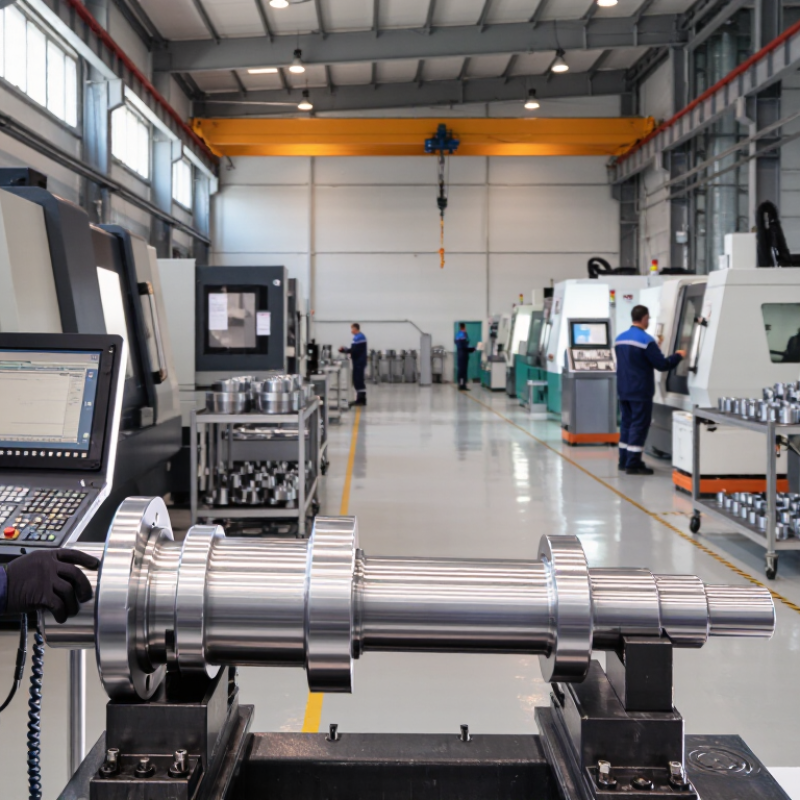
How Precision Machining Companies in China Are Evaluated
A credible comparison of precision machining companies in China should begin with evidence, not impressive machine lists. Buyers can review equipment capacity, but process control matters more. Ask how a supplier manages drawings, revisions, material certificates, and inspection records. Clear answers show whether quality practices are repeatable. A polished brochure proves little.
Part quality is best judged against measurable requirements. Request sample inspection data, including dimensions, tolerances, surface finish, and the measurement method used. Check whether instruments are calibrated and whether inspection covers critical features, not just easy-to-reach surfaces. For complex parts, discuss the machining sequence and how the supplier controls tool wear or distortion. Details matter. A sample part may look excellent, yet reveal little about consistency across a full production run.
Evaluation should also include communication and delivery performance. Ask who reviews technical questions, how changes are approved, and what happens when a measurement falls outside specification. Traceability from raw material to finished part can help resolve problems. Customer references and a carefully defined trial order may provide useful evidence, though neither guarantees future results. No single score captures every risk. Even a thorough audit can miss a weak handoff between shifts or an unclear drawing note. The fairest assessment combines documented controls with direct, practical questions.
Core Capabilities of China’s Precision Machining Industry
China’s precision machining industry combines dense supplier networks with increasingly automated production. The International Federation of Robotics’ World Robotics 2024 report recorded 276,288 industrial robot installations in China in 2023, about 51% of worldwide installations. That figure signals strong automation capacity, but it does not prove that every workshop can hold tight tolerances. Real performance depends on process control.
Core capabilities include five-axis milling, CNC turning, precision grinding, and coordinate measuring. These processes support complex parts with fine surface finishes and closely controlled dimensions. In a well-managed shop, operators track tool wear, temperature, and vibration, then verify critical features with calibrated probes or measuring equipment. Material choice matters, too: stainless steel, aluminum, and hardened alloys respond differently to cutting heat. Results can vary between batches; supplier audits and sample runs help expose that.
Tips: Request inspection records tied to the actual part drawing, not a general capability sheet. Check tolerances, surface-finish requirements, and measurement methods together. A small first-article run can reveal issues before production scales.
Top 10 Precision Machining Companies in China
What Are the Top 10 Precision Machining Companies in China?
A useful view of the top 10 precision machining companies in China starts with capabilities, not rankings alone. Strong suppliers commonly offer CNC milling, turning, grinding, and inspection under one roof. Their work may include aluminum housings, stainless-steel shafts, and small components with tight tolerances. Ask how they verify dimensions, not just what machines they own.
Look for documented quality procedures, calibrated measuring equipment, and clear material traceability. A capable shop can explain its inspection plan and provide sample measurement reports. For complex parts, check whether it can manage prototypes, repeat production, and changes to drawings. The best fit depends on your part, volume, and required tolerances. A high ranking does not guarantee a good match.
Communication deserves equal attention. Request a detailed quotation that identifies materials, finishes, lead times, and inspection scope. Discuss how the supplier handles rejected parts and schedule changes. That matters. A polished website is not evidence of consistent production. I would also ask to review a relevant case study, while remembering that one successful job proves little about every future order. Small trial runs can reveal practical issues, such as burrs near holes or inconsistent surface finishes, before larger orders begin.
Company Profiles: Services, Industries, and Specialties
A useful profile of China’s top ten precision machining firms should compare capabilities, not just machine counts. UNIDO’s International Yearbook of Industrial Statistics 2024 puts China at roughly 31% of global manufacturing value added in 2022. That signals industrial depth, not guaranteed shop-floor quality.
Profiles should distinguish CNC turning and milling, five-axis machining, precision grinding, and wire EDM. Then connect specialties to applications: tight-bore housings for medical equipment, lightweight aerospace brackets, or repeatable automotive shafts. Buyers should look for evidence such as CMM inspection, material traceability, process controls, and demonstrated tolerance consistency across repeat orders. A polished sample is not enough. Profiles should also clarify whether prototyping, finishing, and assembly are offered in-house, since outsourced steps can affect delivery and consistency.
Tip: Request a recent inspection report for a representative part, including the drawing revision and measured tolerances. Ask how deviations are handled. Small gaps matter. Compare lead times only after confirming material, batch size, and inspection scope; otherwise, a low quote may look better than a capable supplier. “One-stop” coverage can be overstated, so verify which operations happen in-house.
Key Factors for Comparing Precision Machining Suppliers
When comparing precision machining suppliers, start with the drawing, not the sales pitch. Ask how each shop handles your material, tolerance, surface finish, and inspection requirements. A 0.01 mm tolerance may be routine for one feature and costly for another. Request sample inspection reports, such as measurements from a coordinate measuring machine, and check that the report matches the drawing’s critical dimensions.
Look beyond machine lists. Confirm how tools are calibrated, how work is tracked between operations, and whether the supplier can explain its process for correcting out-of-spec parts. Ask about first-article inspection and material certificates when your application requires them. These details show more than a polished brochure. They also help reveal whether quality depends on a repeatable system or one skilled operator.
Capacity and communication matter, too. Ask for realistic lead times, typical batch sizes, and what happens when a tool wears or a delivery slips. A low quote can hide setup costs or limited inspection time. Still, no checklist guarantees a good fit; a sample run may expose issues that documents miss. Compare suppliers using the same part, specifications, and questions, then judge both the evidence and the clarity of their answers.
What Are the Top 10 Precision Machining Companies in China? - Key Factors for Comparing Precision Machining Suppliers
Use the ten criteria below to compare suppliers. This is an evaluation framework, not a verified ranking of individual companies; confirm all supplier-specific claims directly with documented evidence.
| No. | Comparison factor | Evidence to request | How to compare suppliers |
|---|---|---|---|
| 1 | Quality management | Current quality-management certificates, their scope, issuing body, and validity. ISO 9001 is a widely used quality-management-system standard. | Check that the certificate covers the relevant site and manufacturing activities; verify it with the issuer or certification body. |
| 2 | Dimensional capability | Inspection results for parts with comparable materials, dimensions, features, and tolerances; sample measurement reports are useful. | Compare demonstrated results against the drawing requirements. Do not treat a general tolerance claim as proof of capability for every feature. |
| 3 | Measurement equipment | Equipment list, calibration records, measurement methods, and sample inspection reports. Ask which measuring instruments are used for each critical characteristic. | Confirm that the equipment and method are suitable for the tolerance and geometry being inspected, and that calibration status is current. |
| 4 | GD&T and drawing interpretation | A documented review of datum references, geometric tolerances, inspection points, and any unresolved drawing questions. ISO 1101 specifies rules for geometrical product specifications and tolerancing. | Compare the supplier’s interpretation with the released drawing and confirm how critical geometric requirements will be measured and reported. |
| 5 | Materials and traceability | Material certificates, purchase records, lot identification, and traceability from incoming material to finished parts, where required. | Check that the documented grade and condition match the specification and that the traceability process meets the product’s regulatory and customer requirements. |
| 6 | Process and equipment fit | Relevant process list, machine specifications, workholding approach, and examples of comparable part geometry or production stages. | Assess whether the proposed process can produce the required features, surface finish, and repeatability; machine count alone does not establish capability. |
| 7 | Production capacity and lead time | A quotation with stated sample and production lead times, batch assumptions, capacity constraints, and any subcontracted operations identified. | Compare like-for-like quantities and delivery terms; confirm capacity for forecast demand rather than relying on an unqualified lead-time estimate. |
| 8 | Inspection planning and nonconformance control | Inspection plans, first-article or sample inspection reports, nonconformance procedures, and corrective-action records relevant to the order. | Check how critical features are sampled, how nonconforming parts are contained, and how corrective actions are documented and verified. |
| 9 | Finishing and secondary operations | Process specifications and inspection records for applicable operations such as heat treatment, coating, plating, or grinding; identify which work is performed in-house or outsourced. | Verify that the specified process, acceptance criteria, and certificates are available for the actual part and order. |
| 10 | Communication and commercial clarity | A quotation that clearly states material, tolerances assumed, finishing, inspection documents, packaging, delivery terms, and exclusions. | Compare quotations on the same technical scope and confirm who owns drawing changes, approvals, and delivery updates. |
Standards and certificates are evidence to review, not automatic proof that a supplier can meet a particular part requirement. Define acceptance criteria on the drawing and verify them with applicable inspection records.
Related Posts
-
Understanding the Advantages of CNC Milling and Turning Applications for Diverse Industries
-
2026 Top CNC Milling and Turning Suppliers Worldwide?
-
How to Choose a CNC Machining Supplier in 2026?
-

2026 Top Trends in CNC Milling and Turning Technology?
-

Discovering Reliable Suppliers with Effective Strategies for Cnc Machining Success
-
Unlocking Precision: The Future of Cnc Machine Multi Axis for Global Manufacturers

NORTH EASTON MACHINE • 218 Elm Street • North Easton, MA 02356 • 508-238-6219