10 Best 5 Axis CNC Machines for Global Buyers
Choosing among the 10 best 5-axis CNC machines is not just a matter of comparing spindle speeds. Global buyers must match machine travel, rotary-axis design, control software, and service support to the parts they actually make. A compact machine for aluminum prototypes may be the wrong choice for large steel components. Small details matter: tool-change time, setup access, and whether local technicians can reach the machine quickly.
Manufacturing-systems scholar Yoram Koren’s research highlights the value of adaptable production systems. A practical paraphrase of that principle is: “Choose flexibility that serves your production needs, not complexity for its own sake.” That distinction matters when evaluating Axis Cnc equipment across different markets. A rotary table, trunnion, or swivel head can change access and workholding requirements. The right configuration depends on part size, tolerance, batch volume, and operator experience.
This guide compares machines through those practical considerations, alongside accuracy, controls, automation options, and support. Buyers should also check what is included in the quoted price. Installation, training, tooling, and software can alter the real cost. Specifications deserve scrutiny, too; published figures do not always describe the same test conditions. There is no perfect shortlist. A machine that excels in one workshop may frustrate another. Use these comparisons to narrow the field, then confirm critical details with the manufacturer and a qualified local integrator.
How 5-Axis CNC Machines Work and Where They Are Used
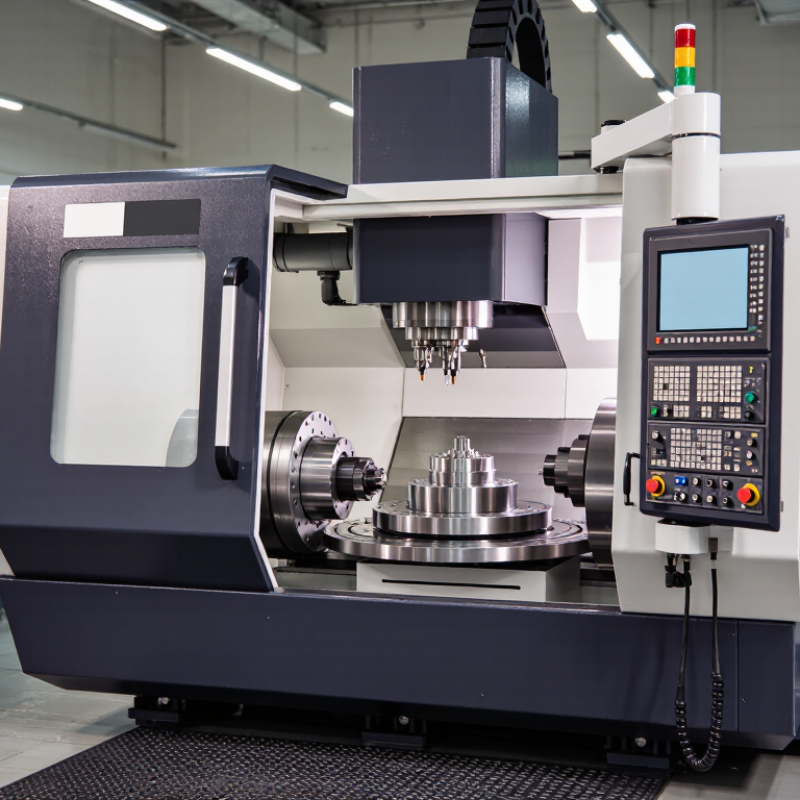
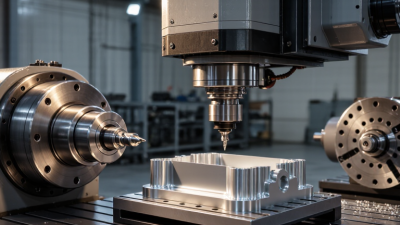
A 5-axis CNC machine moves a cutting tool along three linear axes while rotating the workpiece or tool around two additional axes. These movements let the cutter approach a part from several directions in one setup. On a shop floor, that may mean machining a curved aluminum housing without repeatedly unclamping and repositioning it.
The machine’s control system coordinates all five axes, keeping the tool oriented as the cutting path changes. Some machines tilt the spindle head; others rotate the table, and each layout suits different part sizes and workflows. Proper calibration matters. A small alignment error can leave visible steps where surfaces meet.
Less repositioning can reduce setup time and improve accuracy, especially for turbine components, medical instruments, molds, and aerospace structures. Five-axis machining also reaches angled pockets and complex contours that are difficult on simpler equipment. But it is not automatically the best choice. Programming, fixturing, and collision checks demand skill, and a straightforward flat part may be cheaper to produce on a three-axis machine. That trade-off is easy to overlook. Real parts can still reveal unexpected tool marks or access problems, so test cuts and careful inspection remain useful.
Key Factors for Evaluating Machines Across Global Markets
Selecting a five-axis CNC machine for a global market means checking how it performs in your actual production environment.
The International Federation of Robotics’ World Robotics 2024 report recorded 4.28 million industrial robots operating worldwide in 2023. This signals a broad shift toward automation, but it does not prove that every factory needs a five-axis system. Buyers should compare usable work envelope, rotary-axis travel, spindle capability, and tool-change time against real parts and batch sizes. A large specification sheet can hide a poor fit.
Ask suppliers for positioning accuracy and repeatability results, and check whether testing follows ISO 230-2. Then review thermal stability, control-system compatibility, power requirements, installation conditions, and access to local technicians and spare parts. Test it in person. A sample cut on your own material can reveal chatter, awkward clamping, or slow setup that a brochure will not. Compare service response times across your operating regions, not just the machine price. The uncomfortable point: buyers sometimes overvalue headline accuracy while underestimating training and maintenance. That choice deserves a second look.
Profiles of 10 Leading 5-Axis CNC Machines
A useful shortlist compares working envelopes, spindle speed, tool capacity, and part access—not axis count alone.
Grand View Research’s 2024 CNC Machine Market analysis estimated the overall market at USD 83.99 billion in 2023; that figure covers CNC equipment broadly, not five-axis machines alone.
A shortlist is never universal. The compact trunnion suits small aluminum parts and crowded toolrooms. A vertical five-axis mill offers clear access for dies and precision housings. A horizontal configuration helps evacuate chips from deep cavities. Bridge-style machines balance stiffness with medium-sized workpieces. Gantry machines handle large molds, but demand generous floor space.
A universal-head machine reaches angled surfaces without repositioning the part. High-speed machines suit light cuts and fine surface finishes. Heavy-duty platforms prioritize torque for tough alloys, often trading speed for rigidity. Turn-mill machines combine rotational and milling operations for complex components. A palletized production cell supports repeat runs and unattended shifts, but setup errors can multiply quickly.
On real shop floors, coolant delivery and probing routines matter as much as brochure specifications. Buyers should verify thermal stability, local service access, and achievable accuracy using their own materials and tolerances.
One caution: published accuracy figures may rely on different test conditions, so direct comparisons can mislead.
Comparing Machine Capabilities, Configurations, and Costs
A 5-axis machine comparison should begin with the workpiece, not the axis count.
A 3+2 configuration tilts and indexes the part between cuts; simultaneous five-axis motion keeps several axes moving during cutting. The latter suits sculpted surfaces and complex impellers, but often needs more advanced programming and operator experience. Check rotary-table size, spindle speed, tool capacity, and workpiece clearance against an actual part drawing. A big travel figure means little if the fixture blocks the tool.
Configuration changes the purchase price.
A trunnion-style table can suit smaller parts, while a head-head layout may offer more room for larger workpieces. Ask suppliers to itemize the machine, probing, tool magazine, software, installation, and training. Include maintenance and production downtime in the comparison. The cheapest quote can be a false economy. Even so, cost estimates remain messy.
Grand View Research valued the global CNC machine market at USD 101.22 billion in 2023 and forecast 6.3% annual growth from 2024 to 2030; that broad market figure is not specific to five-axis equipment. Deloitte’s 2024 Smart Manufacturing Survey found that 86% of surveyed manufacturing executives saw smart manufacturing as a competitiveness driver over the next five years. For buyers, that makes control integration and data access worth checking alongside cutting capacity. A neat specification sheet can still mislead. Test a representative part and compare cycle time, finish, and setup effort before choosing.
Matching a CNC Machine to Applications and Regional Needs
Matching a five-axis CNC machine to its work starts with the part, not the catalogue. An impeller with deep, curved passages may need different reach and collision clearance than a small medical component. A compact machine can suit short runs and limited floor space, while larger castings require a broader work envelope and suitable table capacity. Check the actual toolpath, fixture, and tool length. Small details matter.
Regional conditions can change the practical choice. Confirm available voltage, phase, and workshop air supply before comparing machine specifications. In humid or dusty facilities, enclosure design and maintenance routines deserve close attention. Buyers far from technical support should ask about spare-part lead times, remote diagnostics, operator training, and service coverage in their region. A low purchase price can become costly if a simple sensor fault stops production for weeks.
A useful evaluation includes a sample part, not just a polished demonstration. Ask the supplier to machine material similar to your own, then inspect surface finish, repeatability, and cycle time. Also check whether local operators can program and maintain the control system. There is no perfect ranking for every buyer; even a careful comparison can miss a constraint on the shop floor. Leave room in the budget for installation, tooling, and training.





 Find Your Solutions ▶