How to Choose the Best Multi Axis CNC Machine for Your Needs?

Choosing the best Multi Axis CNC machine for your needs can be challenging. The market offers diverse options, each with unique capabilities. Recent industry data suggests a steady growth in the CNC machine sector, projected to reach $100 billion by 2026. Companies increasingly seek precision and efficiency in manufacturing processes. Multi Axis CNC technology plays a crucial role in achieving these goals.

However, not all Multi Axis CNC machines are created equal. Understanding your specific manufacturing requirements is essential. For instance, different machines support varying numbers of axes, which directly impacts production capability. A study by Allied Market Research indicates that 4-axis and 5-axis machines provide significant advantages in complex part creation.

Reflecting on these details can be beneficial. Think about what features will serve your production best. Balancing cost with functionality is often a tough decision. Making informed choices will require deeper exploration of your operational needs, available technology, and potential integration challenges.
How to Choose the Best Multi Axis CNC Machine for Your Needs?

Understanding Multi Axis CNC Machines and Their Advantages

Multi-axis CNC machines offer significant advantages for modern manufacturing. These systems enhance flexibility and precision. According to a 2023 industry report, the growing demand for complex parts has increased the market for multi-axis machinery by 15% annually. This trend reflects the need for innovation in production techniques to meet specific requirements.

One key advantage is their ability to reduce setup time. Traditional machines often require multiple setups for intricate designs. However, multi-axis machines can perform complex cuts in a single operation. This efficiency leads to lower labor costs and shorter lead times. A study from Machining Industry Insights highlights that manufacturers utilizing multi-axis CNC have seen a 30% increase in productivity.

While the benefits are clear, some challenges remain. Operators must be adequately trained to leverage the full capabilities of these machines. Misunderstanding features can lead to inefficiencies. Additionally, the initial investment can be significant, causing hesitation in smaller shops. Balancing the benefits against the costs is a critical area for reflection and decision-making. As the landscape of manufacturing evolves, it is essential to choose wisely to meet future demands.
Key Factors to Consider When Choosing a Multi Axis CNC Machine

When selecting a multi-axis CNC machine, consider the specific capabilities your project demands. The number of axes is crucial. A three-axis machine is suitable for basic tasks. However, a five-axis machine offers enhanced precision and flexibility for complex designs. Evaluate the range of motion needed for your components. It significantly influences machining accuracy.

Another key factor is the machine's build quality. A sturdy frame minimizes vibrations during operation. This is vital for achieving high-quality finishes. Look for materials that bolster durability. Check for user reviews that highlight long-term performance. Functionality, such as ease of operator control, directly affects productivity. Ensure the interface aligns with your team's skill set.

Lastly, consider support and service options. Machines may need maintenance or repairs. A strong support system ensures minimal downtime. Assess warranties and available training for your staff. This investment will enhance machine utilization. Reflect on these aspects carefully, as they influence the overall success of your CNC operations.

Evaluating Your Specific Manufacturing Needs and Applications

How to Choose the Best Multi Axis CNC Machine for Your Needs?

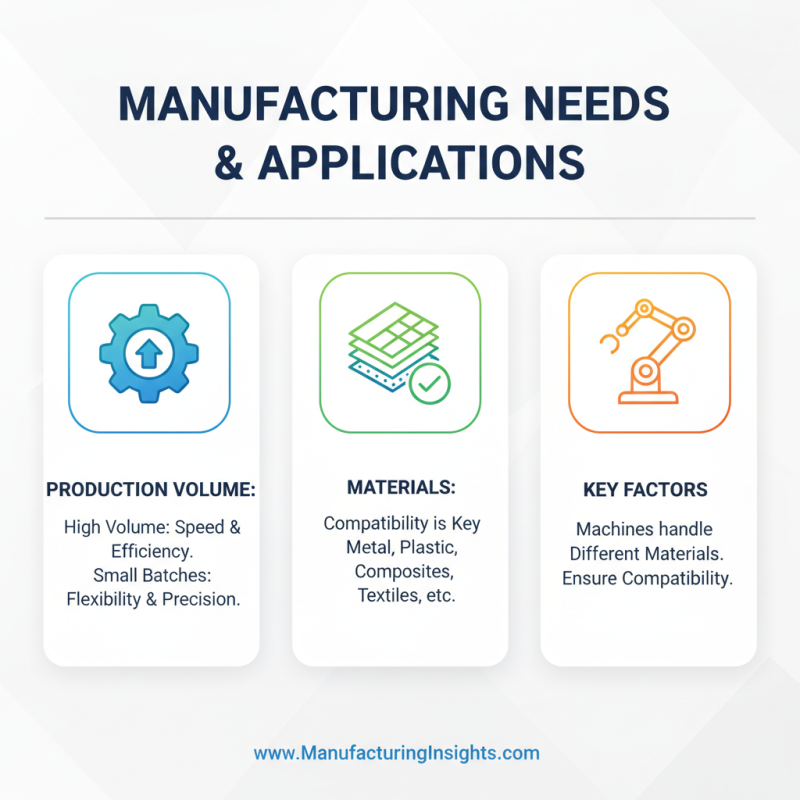
When evaluating your specific manufacturing needs and applications, it's crucial to consider various factors. Your production volume plays a significant role. High-volume operations may require a machine with greater speed and efficiency. Conversely, for smaller batches, flexibility and precision might be your priority. Think about the materials you will use. Different machines handle different materials, so ensure compatibility with your projects.

Another important aspect is the complexity of the parts you need to produce. Multi-axis CNC machines offer advanced capabilities, but not all machines are created equal. Some may struggle with intricate designs or tight tolerances. Reflect on your existing workflow to identify where a machine could enhance productivity. Are you experiencing frequent bottlenecks or quality issues? Assessing these challenges will help narrow your options.

Lastly, consider your team's technical expertise. It's essential to match the machine's complexity with your staff's skills. A highly advanced CNC machine may offer great features but could lead to operational difficulties if your team lacks experience. Balancing capability and usability is often overlooked but is necessary for long-term success.

Comparing Different Brands and Models of Multi Axis CNC Machines

When selecting a multi-axis CNC machine, evaluating various brands and models is crucial. The market offers diverse options, each with unique features. According to a recent industry report by Grand View Research, the global CNC machine market is expected to grow by 6% annually, highlighting the increasing reliance on automation in manufacturing.

One important consideration is the machine's configuration. Three-axis machines are common but may limit versatility. In contrast, five-axis options can handle complex geometries, making them more suitable for intricate tasks. However, they often come at a higher cost. It’s vital to balance your budget and the capabilities you need.

Tip: Always assess the software compatibility that comes with the machine. User-friendly interfaces can minimize training time and boost productivity.

Be aware that not all machines meet every industry’s demands. Some may excel at precision, while others focus on speed. This mismatch can lead to production inefficiencies.

Tip: Seek feedback from other users. Real-world experiences may reveal potential issues or advantages not covered by specifications. This insight can guide you toward a more informed choice.

Budgeting and Financing Options for Multi Axis CNC Machines

When selecting a multi-axis CNC machine, budgeting is crucial. Understanding your financial capacity helps narrow down options. The average price varies widely, ranging from $50,000 to $1 million, depending on specifications and features. According to industry reports, 32% of businesses experience budget overruns when purchasing CNC equipment. This highlights the importance of thorough financial planning.

Financing options play a significant role in acquiring a CNC machine. Many manufacturers offer flexible leasing arrangements. This allows you to use the machine without an upfront purchase. Interest rates typically range from 5% to 15%, contingent on creditworthiness. Some organizations suggest that adopting a leasing strategy can improve cash flow by 30%. However, be cautious; hidden fees can inflate total costs.

Evaluating your long-term production needs is essential. A more robust machine may offer better efficiency but higher costs. On the flip side, a budget machine might lack essential features. The balance lies in comprehensive research and analyzing potential returns on investment. Reviewing financial trends can aid in making an informed decision.

Choosing the Right Multi Axis CNC Machine

This chart illustrates the number of features typically found in budget, mid-range, and high-end multi axis CNC machines. As your budget increases, the complexity and number of features available also tend to increase, offering more versatility and capability for various machining tasks.

Certified Quality System

© North Easton Machine Company, Inc. All rights reserved. • Site: Blog
NORTH EASTON MACHINE • 218 Elm Street • North Easton, MA 02356 • 508-238-6219