
Why Are Packing Covers Essential for Global Shipping?

Global shipping exposes cargo to rain, salt spray, dust, vibration, and sudden temperature changes. Packing Covers help create a protective barrier before goods leave the warehouse. They shield pallets, machinery, furniture, and construction materials from moisture and surface damage. A properly fitted cover can also reduce contamination during loading, transit, and temporary outdoor storage.

Dr. Jay Singh, a packaging specialist and professor of packaging, offers a practical reminder: “A package must survive the distribution environment, not just the warehouse.” This principle explains why Packing Covers matter beyond simple wrapping. A strong cover should fit securely around the load without restricting ventilation where condensation may develop. Reinforced edges, durable seams, and reliable fastening points can help prevent tearing during forklift movement or container handling. Small details matter.

The right material depends on the shipment. A waterproof polyethylene cover may suit exposed pallets, while breathable fabric can better support moisture-sensitive cargo. There is no universal solution. That is where experience becomes important. Teams should consider route length, climate, handling frequency, and storage conditions before selecting a cover. Inspecting the cover after loading is equally valuable. A loose corner can become a serious weakness.

Packing Covers are not a substitute for sound packaging design. I have seen protection fail when teams focused only on material thickness. Fit, fastening, and inspection often matter just as much. Better decisions come from examining real transport conditions, documenting damage, and improving the packing process over time. Reliable protection begins before the container door closes.
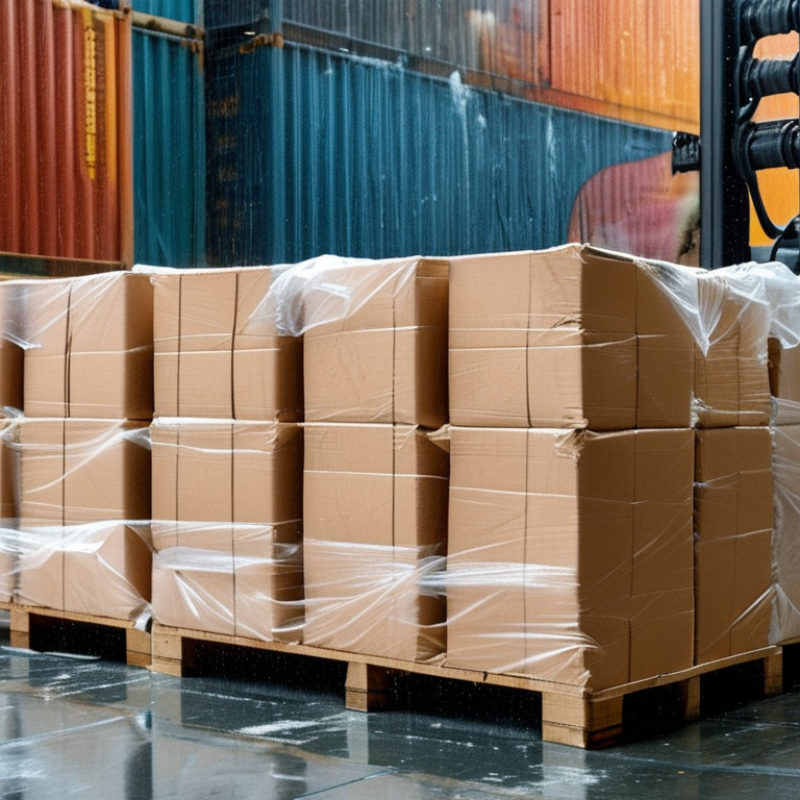
Why Are Packing Covers Essential for Global Shipping?

What Are Packing Covers and What Functions Do They Serve?

Packing covers are protective layers placed over cartons, pallets, machinery, or irregular cargo before transit. They may be made from woven fabric, coated textile, plastic film, or breathable material. Their main job is simple: keep external hazards away from the shipment.

During warehouse handling, covers reduce dust, rain splash, oil marks, and surface abrasion. They also help prevent straps or forklift contact from damaging exposed edges. For palletized goods, a fitted cover can hold loose cartons in place and make the load easier to inspect. Small details matter. A cover with weak seams can fail during lifting.

In international shipping, conditions change quickly. Cargo may move from a dry warehouse into humid ports, refrigerated spaces, or open-air staging areas. A suitable cover limits moisture exposure, but it cannot remove condensation inside sealed packaging. Ventilation may be necessary for temperature-sensitive goods. Choosing the material requires attention to weight, puncture risk, transit duration, and handling method.

I have seen covers used as temporary labels, too. Clear panels can keep shipping marks visible without exposing them to rain. Yet an oversized cover can flap, snag, or collect water. That mistake is easy to miss before departure. Secure fasteners, reinforced corners, and measured dimensions make a practical difference. The cover should fit the cargo, not merely hide it.

How Do Packing Covers Protect Goods During International Transit?

Why Are Packing Covers Essential for Global Shipping?

How Do Packing Covers Protect Goods During International Transit?

International cargo faces rain, salt air, dust, vibration, and repeated handling. UNCTAD’s Review of Maritime Transport 2024 reports that ships carry over 80% of global merchandise trade by volume. That exposure makes basic protection important. A packing cover creates a physical barrier around cartons, pallets, machinery, or oversized cargo. It helps keep out water droplets, warehouse dust, and surface dirt during port transfers. For air freight, IATA reports that cargo accounts for about 35% of global trade by value. Even short handling delays can damage high-value goods.

A well-fitted cover reduces abrasion when straps, forks, or nearby cargo rub against the load. Breathable materials can also limit condensation inside wrapped shipments. This matters when cargo moves between humid ports and climate-controlled warehouses. In practical inspections, weak seams and loose edges often become the first failure points. Reinforced corners, secure closures, and clear labeling reduce those risks. Still, a cover is not magic. It cannot replace inner cushioning, blocking, bracing, or moisture control. We sometimes overestimate it.

The World Bank’s Logistics Performance Index 2023 emphasizes reliability across customs, infrastructure, and delivery timelines. Packing protection supports that reliability by reducing preventable handling damage. Before shipping, teams should check cover size, material strength, ventilation, and fastening points. They should also inspect the load after rain or long storage. A small tear near a corner may look harmless. It may not be.

Which Materials and Designs Are Used for Global Shipping Covers?

Global shipping covers must handle rain, dust, sunlight, salt air, and repeated handling. Their materials and designs decide how well cargo survives long journeys.

Woven polypropylene is lightweight, flexible, and suitable for palletized goods. It resists moisture and tearing during ordinary transport. PVC-coated polyester provides stronger abrasion resistance for machinery, crates, and outdoor staging. Canvas feels durable and breathable, but it can absorb water without treatment. Laminated polyethylene film offers a lower-cost barrier for short-term protection. A heavier cover is not always better. Excess weight may increase handling effort and storage space.

Design matters as much as fabric. Reinforced corners reduce tearing around sharp edges. Brass or stainless-steel grommets support ropes and straps without damaging the cover. Elastic hems create a closer fit around pallets. Ventilation panels can reduce condensation inside enclosed loads. Transparent inspection windows may help workers check labels without removing the cover. In real packing work, small design details often prevent larger delays. Still, no cover solves poor wrapping or weak load securing.

Tips: Measure the cargo after final packing, not before. Choose UV resistance for open-deck transport. Add soft edge protection beneath tension points. Check seams, grommets, and straps before dispatch. Destination weather matters. So does storage time. Test one cover under realistic handling conditions before ordering in volume. Minor fit errors can become expensive failures.

How Should Businesses Select Packing Covers for Different Cargo Types?

Selecting packing covers starts with the cargo, not the container. A wooden crate needs strong abrasion resistance and stable fastening points. Machinery may require breathable covers to reduce condensation during long voyages. Sensitive metal parts need moisture barriers, while food-grade goods need clean, non-toxic materials. Check the cargo’s weight, shape, surface finish, and loading method before choosing a cover. A loose cover can flap against edges for weeks. That small movement may damage paint or weaken seams.

Packing covers should also match the shipping environment. Coastal routes demand better resistance to salt air and humidity. Cold-to-warm transfers can create internal moisture, even when the outside looks dry. Use reinforced corners, suitable tie-downs, and enough overlap around openings. Avoid sealing damp cargo too tightly. Field inspections often show that workers focus on fabric strength but overlook ventilation and drainage. That is an easy mistake to repeat. No cover is perfect.

Tips: Measure the cargo after final packing. Leave room for lifting equipment and inspection. Choose UV-resistant material for outdoor storage. Test closures before dispatch. Label the cover’s handling points clearly. If cargo has sharp edges, add padding first. Review the packing method after each shipment, because one successful trip does not prove the design is reliable.

Why Are Packing Covers Essential for Global Shipping? - How Should Businesses Select Packing Covers for Different Cargo Types?

Cargo Type Main Shipping Risks Recommended Cover Construction Key Protection Features Suitable Closure or Securing Method Selection Priority Practical Handling Guidance
Palletized Cartons Dust, rain splash, abrasion, shifting during handling, and torn outer packaging. Water-resistant woven polyethylene or coated textile cover with reinforced seams. Water resistance, tear resistance, UV tolerance, and sufficient drape over the pallet. Elastic hem, webbing straps, buckles, or reusable tie-down points. High Choose a cover that reaches below the pallet load without dragging on the floor. Keep labels and lifting points visible where possible.
Machinery and Metal Equipment Moisture condensation, corrosion, impact, scratches, dirt, and exposure during outdoor storage or transit. Heavy-duty coated fabric or reinforced polyethylene cover used with cushioning and moisture-control materials. High tear strength, abrasion resistance, water resistance, and compatibility with corrosion-prevention packaging. Heavy-duty straps, reinforced eyelets, ratchet straps, or fitted drawcord systems. High Do not seal moisture inside warm equipment. Allow adequate ventilation or use an approved vapor-control packaging system when condensation is a concern.
Steel Coils, Pipes, and Profiles Water exposure, rust, sharp edges, punctures, sliding, and abrasion from metal surfaces. Thick woven cover with reinforced corners and additional edge protection at contact points. Puncture resistance, abrasion resistance, water resistance, and secure load restraint. Webbing straps with edge protectors, buckles, or lashing points positioned outside sharp edges. High Use rounded edge protectors beneath straps and cover contact areas. The cover should not be the only system preventing load movement.
Timber and Wood Products Rain, humidity, dirt, mold risk, surface staining, and damage from prolonged exposure. Breathable water-resistant textile or woven cover, depending on moisture content and storage duration. Rain protection, ventilation, UV resistance, and resistance to mildew-related deterioration. Straps, ropes, or perimeter webbing that maintains airflow and avoids excessive compression. Medium Use breathable protection when trapped moisture could affect the wood. Keep the load raised from the ground and avoid pooling water on the cover.
Agricultural Products Rain, dust, sunlight, condensation, contamination, and ventilation problems. Food-contact-suitable or cargo-appropriate breathable cover selected according to the product and transport regulations. Cleanability, ventilation, water resistance, UV protection, and low risk of contamination. Lightweight straps, fitted hems, or ventilated fastening systems. High Do not use a non-breathable cover where heat or condensation can damage the cargo. Inspect covers for cleanliness before each use.
Furniture and Finished Goods Dust, scratches, moisture, staining, handling damage, and exposure to sunlight. Soft inner surface or padded cover combined with a water-resistant outer layer. Non-abrasive contact surface, water resistance, cushioning, and reliable fit. Fitted elastic edges, zippers, hook-and-loop fasteners, or protective straps. High Use clean covers without exposed metal parts that could scratch finished surfaces. Add corner protectors for vulnerable edges.
Vehicles and Large Outdoor Units Rain, dust, UV exposure, road debris, wind lift, and surface abrasion. Breathable, UV-resistant coated textile or multilayer cover designed for the unit’s dimensions. UV resistance, water resistance, breathability, soft inner surface, and wind stability. Adjustable straps, reinforced hems, elastic sections, and multiple tie-down points. High Secure the cover at several points to prevent flapping. Avoid a loose fit that can cause abrasion during long-distance transport.
Glass, Ceramics, and Fragile Goods Breakage, vibration, impact, moisture, and abrasion during loading and unloading. Protective cover used together with rigid crates, cushioning, separators, and moisture barriers where required. Dust protection, moisture resistance, clean surface, and compatibility with cushioning systems. Non-abrasive straps, crate fasteners, and low-pressure securing methods. High A packing cover cannot replace structural packaging. Secure fragile goods inside a rigid container and clearly identify lifting and handling requirements.
Textiles and Paper Products Humidity, rain, dust, odor transfer, staining, and compression-related damage. Clean, lightweight, water-resistant cover with breathable properties where condensation is possible. Moisture protection, cleanliness, low lint generation, and protection from sunlight. Fitted covers, pallet straps, or sealed outer packaging used with ventilation planning. High Keep the cover clean and dry before use. Avoid direct contact between damp covers and absorbent products.
Bulk or Irregularly Shaped Cargo Wind lift, water ingress, snagging, exposed corners, and uneven load restraint. Custom-fitted heavy-duty cover with reinforced panels, seams, and stress points. Custom fit, high tear strength, water resistance, UV tolerance, and reinforced attachment areas. Multiple webbing straps, buckles, eyelets, or purpose-designed lashing points. High Measure the complete load profile, including protrusions. Confirm that the cover will not obstruct lifting equipment or required cargo markings.
General selection principle: Select a packing cover based on the cargo’s sensitivity to water, condensation, abrasion, UV exposure, contamination, and movement. The cover should supplement—not replace—appropriate pallets, crates, cushioning, moisture control, and certified load-restraint practices.

What Standards and Handling Practices Improve Cover Performance?

Packing covers protect cargo from rain, dust, salt air, and rough handling during global shipping. Their performance depends on suitable standards, not appearance alone. Material tests should examine tensile strength, tear resistance, seam strength, and water penetration. Dimensional checks also matter. A cover that is too tight may split around corners.

Handling marks should follow recognized guidance, such as ISO 780, so workers understand lifting, stacking, and moisture risks. Covers should be clean, dry, and folded before application. Inspectors should check for pinholes, weak seams, and damaged fastening points. Small defects can widen when wind pulls against the fabric. They often do.

During loading, workers should avoid dragging covers across concrete or using hooks near the surface. Sharp pallet edges need padding. Fasteners must hold the cover firmly without blocking drainage or trapping excessive condensation. Ventilation can be important for machinery, wood, and other moisture-sensitive cargo. Each shipment also needs documented inspection records, including photographs, weather conditions, and the person responsible.

Practical experience shows that laboratory results cannot predict every journey. A cover may pass a water test but fail after repeated folding. This is easy to overlook. Route length, climate changes, container movement, and warehouse storage should influence the selected specification. Periodic training helps, although rushed loading crews may still miss basic checks. That weakness deserves honest review.

Certified Quality System

© North Easton Machine Company, Inc. All rights reserved. • Site: Blog
NORTH EASTON MACHINE • 218 Elm Street • North Easton, MA 02356 • 508-238-6219