
Why Do Lithium Batteries Last So Long?
The longevity of Lithium Batteries has captured the attention of many. These powerhouses are everywhere, from our smartphones to electric vehicles. Their ability to endure numerous charge cycles is remarkable. Yet, understanding why lithium batteries last so long requires a closer look.
Lithium batteries utilize a remarkable chemistry. They rely on lithium ions, which move freely. This movement allows for efficient energy storage and release. Internal components, such as electrodes and electrolytes, also play critical roles. However, factors like temperature and charging habits can affect their lifespan.
One must reflect on how we use these batteries. Rushing to charge may seem convenient but can lead to degradation. Protecting lithium batteries means understanding them better. As we explore their durability, it opens up discussions on sustainability and energy efficiency.
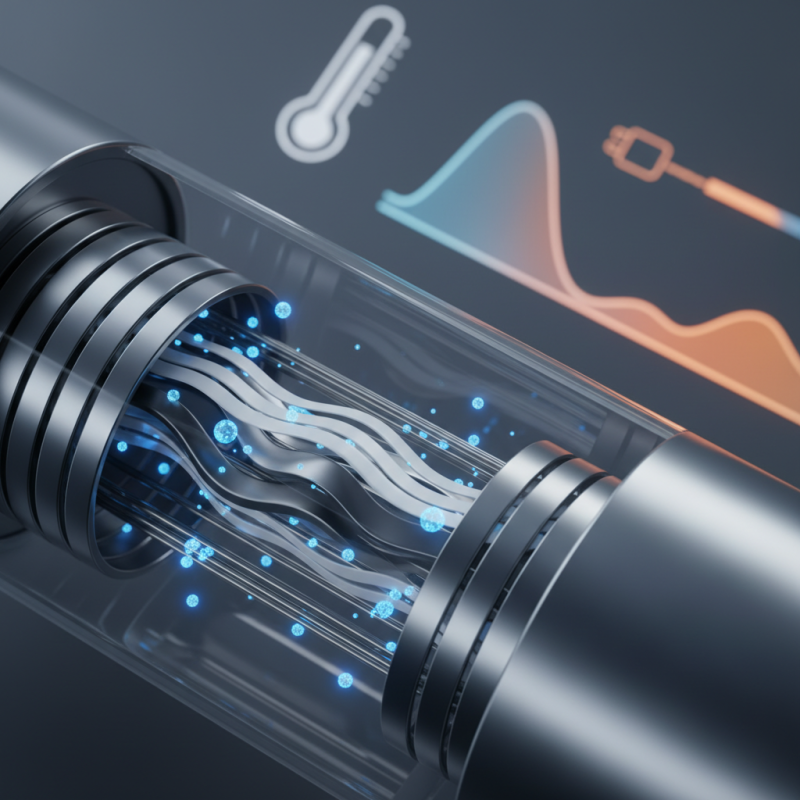
Understanding Lithium Battery Composition and Structure
Lithium batteries have transformed how we power our devices. Their longevity stems from complex composition and structure. At the core, lithium-ion batteries rely on lithium salts and organic solvents. This combination allows for efficient ion exchange. Reports suggest that these batteries can last up to 2,000 charge cycles.
The anode typically uses graphite, while the cathode is often composed of lithium metal oxides. This pairing creates a stable electrochemical environment. Studies indicate that the thermal stability of lithium battery materials can be a double-edged sword. While it supports longevity, it also raises concerns about safety under extreme conditions.
Manufacturing processes play a role as well. Various elements like cobalt and nickel are added for stability. Yet, ethical sourcing of these materials is a significant challenge. Industry reports show that sustainability remains a pressing issue. Exploring alternative materials might be necessary. The focus on recycling and upcycling batteries is essential for a better future.

Understanding Lithium Battery Lifespan
The Role of Electrolytes in Longevity of Lithium Batteries
Electrolytes play a crucial role in the longevity of lithium batteries. They act as a medium that allows lithium ions to move between the anode and cathode. A high-quality electrolyte prevents degradation during charging and discharging cycles. This movement of ions is essential for maintaining battery efficiency.
Different electrolytes can produce varying results. Some are better at reducing heat and minimizing wear. However, not all electrolytes are created equal. Poor electrolyte choices can lead to reduced battery life and performance. Considering temperature conditions is also important. High temperatures can cause electrolyte breakdown, impacting battery longevity.
Improving electrolytes can enhance performance but comes with challenges. Discovering new materials is an ongoing research area. It’s not always easy to balance performance and safety. Many innovations require complex manufacturing processes. Finding the right mix of cost, efficiency, and safety can be a daunting task.
Impact of Charge Cycles on Battery Life Expectancy
Lithium batteries are known for their long lifespan. This longevity largely depends on charge cycles. A charge cycle refers to a full discharge and recharge. Each time you cycle a battery, it can lose some capacity. Over time, this cumulative wear affects battery performance.
Optimizing charge practices can help extend battery life. Try not to drain the battery completely. Instead, keep it between 20% and 80% charged. This method reduces stress. Frequent small top-ups are better than full discharges. Remember, different devices may have unique charging needs.
Using high-quality chargers is important. Cheap chargers can deliver inconsistent power, harming your battery. Also, avoid exposing batteries to high temperatures. Excess heat can lead to rapid decay. Keep devices in cool places when not in use. Stay aware; neglecting these tips can lead to shorter battery life.
Temperature Effects on Lithium Battery Performance and Lifespan
Temperature plays a crucial role in the performance and lifespan of lithium batteries. High temperatures can cause batteries to degrade faster. When exposed to heat, the chemical reactions inside the battery speed up. This can lead to faster capacity loss and possible thermal runaway. Users often overlook this fact.
In colder temperatures, battery performance can also suffer. Batteries may provide less power and take longer to charge. This can be frustrating for users relying on portable devices. However, some lithium batteries can still operate in extreme cold. Yet, they may not deliver optimal performance.
Understanding these temperature effects is vital for battery management. Keeping batteries at a stable temperature can extend their life. Users should pay attention to these factors. It’s not just about charging. Maintenance and care often hinge on temperature awareness.
Advancements in Technology Enhancing Lithium Battery Durability
Lithium batteries have become an essential part of our daily lives. Their long-lasting performance is a result of continuous technological advancements. New materials and improved chemical processes enhance their durability significantly. These developments lead to better energy density and longer usage periods.
Tips: Always charge your battery when it is between 20% and 80%. This can help prolong its lifespan. Avoid letting it completely discharge frequently.
The innovation in lithium battery technology includes enhanced electrode materials. These materials reduce degradation over time. However, some older batteries still face issues with rapid wear. Reflecting on these challenges is important for understanding the need for ongoing improvements.
Tips: Store your batteries in a cool, dry place. Extreme temperatures can shorten battery life. Be aware of the battery's performance over time. Identify any sudden drops in capacity.
Article Source:
NORTH EASTON MACHINE • 218 Elm Street • North Easton, MA 02356 • 508-238-6219