Why Use Solenoid Valve in Your Irrigation System?

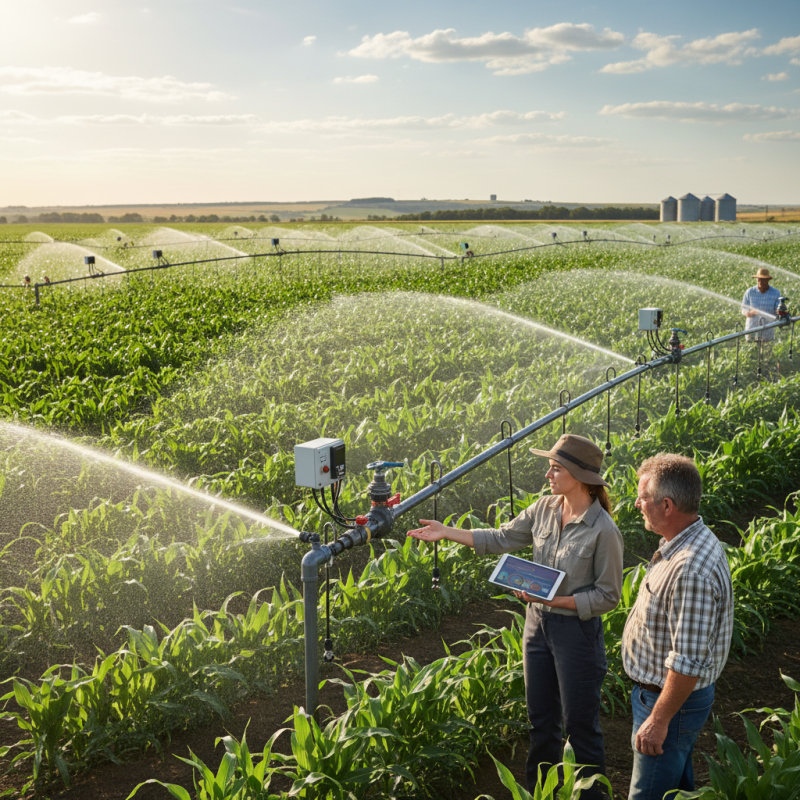
In the evolving landscape of modern agriculture, the efficiency of irrigation systems is paramount. The integration of technology is transforming traditional practices. A key element of this transformation is the use of solenoid valves in irrigation systems. According to a report by the Irrigation Association, systems with solenoid valves can reduce water usage by up to 30%. This is a significant statistic for farmers facing increasing water costs and regulatory pressures.

Dr. Emily Carter, a leading irrigation systems expert, emphasizes the importance of this innovation. She states, "Solenoid valves in irrigation systems optimize water delivery, ensuring crops receive precise amounts of water." Her insights underline the growing need for efficiency and sustainability in water management. Despite these advancements, some farms still struggle with outdated systems. This gap highlights the need for education on modern technologies.

The implementation of solenoid valves isn't without challenges. Farmers may face installation hurdles or initial costs. However, these devices offer long-term savings and reliability. It's crucial to understand both the benefits and the potential issues when considering solenoid valves in irrigation systems. Through careful planning and adaptation, farmers can navigate this changing terrain effectively.
Why Use Solenoid Valve in Your Irrigation System?

Advantages of Using Solenoid Valves in Irrigation Systems

Solenoid valves are increasingly popular in irrigation systems due to their efficiency and control. These valves automate water flow, allowing for precise scheduling and reduced waste. According to a recent industry report, using solenoid valves can reduce water usage by up to 30%. This is crucial as many regions face water scarcity challenges.

One significant advantage is operational ease. You can remotely control these valves, saving time and effort. This feature is valuable for large agricultural areas or commercial gardens that require consistent management. Automated systems can monitor moisture levels, ensuring that plants get the right amount of water.

**Tip:** Regular maintenance is essential. Check for clogs and leaks frequently to ensure optimal performance.

Another benefit is energy efficiency. Many modern solenoid valves use less power than traditional manual systems. This decrease in energy consumption can lower operating costs. However, it is vital to choose the right type and size for your specific needs. Oversized valves can lead to unnecessary pressure loss and inefficient operation.

**Tip:** Consider investing in sensors to monitor soil moisture. This can help manage irrigation better, optimizing water use.

Embracing solenoid valves in your irrigation system presents many benefits, ensuring water conservation and cost savings in the long run.

How Solenoid Valves Improve Water Management Efficiency

Solenoid valves play a crucial role in modern irrigation systems. They automate water flow, ensuring plants receive the right amount of moisture. This leads to better water management. With precise control, solenoid valves reduce water wastage. They can easily open or close on command, responding to various sensors. This efficiency benefits both the environment and your garden.

Benefits extend beyond efficiency. Solenoid valves can be programmed for specific schedules. This means water only flows when needed. Such timing prevents overwatering and promotes healthy soil. Consider soil moisture sensors for additional accuracy. However, inconsistent adjustments might lead to uneven watering.

Tips: Regular maintenance of solenoid valves is essential. Check for clogs or leaks frequently. Minor issues can snowball into larger problems if ignored. Also, monitor your plants' responses. Sometimes, even the best systems need tweaks based on plant growth. Adjustments may be necessary to optimize performance.

Water Management Efficiency: Impact of Solenoid Valves in Irrigation Systems

Types of Solenoid Valves Suitable for Irrigation Applications

Solenoid valves play a crucial role in modern irrigation systems. Their ability to control water flow efficiently makes them indispensable for farmers and landscape managers. There are various types of solenoid valves that suit different irrigation applications, including normally closed and normally open valves. These categories serve distinct purposes. For example, normally closed valves stop water flow when de-energized, making them suitable for automatic sprinkler systems.

When selecting a solenoid valve for irrigation, consider flow rate and pressure requirements. A report from the American Society of Agricultural and Biological Engineers highlights that choosing the right valve can decrease water loss by up to 30%. This reduction is significant. Efficient usage of water is not only economical but also essential in regions facing drought conditions. Additionally, diaphragm valves offer a unique advantage. They provide a tight seal and can handle suspended particles better than other types.

However, it's essential to recognize potential issues. Over time, solenoid valves may corrode or become clogged, leading to inefficient operation. This can impact your entire irrigation system. Regular maintenance and monitoring are necessary to ensure optimal performance. While solenoid valves offer many advantages, understanding their limitations is equally important for effective use in irrigation.

Installation and Maintenance Tips for Solenoid Valves

Installing solenoid valves in irrigation systems can significantly improve efficiency. These valves are essential for automating water flow. Proper installation is crucial for optimal performance. According to industry reports, nearly 30% of water used in irrigation is wasted due to poorly functioning valves.

When installing solenoid valves, ensure that they are placed in locations that are accessible for maintenance. It is recommended to install them above ground level. This can help prevent damage from flooding and pests. Regularly check for leaks and debris around the valves. A clogged valve can lead to pressure issues and uneven water distribution, ultimately harming your crops.

Maintenance is key to keeping solenoid valves operational. Experts suggest testing the valves at least twice a year. Look for signs of wear and tear. Replace any damaged components immediately. Neglecting this can decrease the effectiveness of your system. According to a recent study, systems that undergo regular maintenance can enhance efficiency by up to 20%. Don't let small issues turn into costly repairs. Regular attention is better than waiting for a major failure.

Common Challenges and Solutions with Solenoid Valves in Irrigation

In irrigation systems, solenoid valves offer significant advantages, yet they can face challenges. One common issue is the accumulation of debris. This can lead to valve malfunctions, impacting system efficiency. Studies show that proper filtration can reduce this problem by 30%, ensuring smooth operation.

Another challenge is the risk of electrical failure. Solenoid valves rely heavily on electrical connections. A power surge can cause immediate damage. Keeping electrical connections protected is essential. Consider installing surge protectors to minimize risks. Regular inspection of wiring can also prevent unexpected failures.

Tips: Use filters to catch debris early. Regular maintenance can save costs in the long run. Invest in high-quality electrical components to extend the lifespan of your solenoid valves. Ignoring these factors can lead to frustrating downtime. Always be proactive, rather than reactive, in your approach to irrigation management.

Why Use Solenoid Valve in Your Irrigation System? - Common Challenges and Solutions with Solenoid Valves in Irrigation

Challenge Description Solution Benefits
Clogging Debris and sediment can clog valves, affecting performance. Install filters before the solenoid valve to minimize debris. Improves reliability and reduces maintenance needs.
Power Failure Loss of power can prevent solenoid valves from operating. Consider using battery backups or solar power systems. Ensures continuous operation during outages.
Leakage Worn seals can lead to leaks and inefficiency. Regularly inspect and replace seals as needed. Prevents water waste and conserves resources.
Incorrect Pressure Valves may not function properly if pressure is too high or low. Install pressure regulators to maintain optimal pressure. Enhances valve longevity and system efficiency.
Inconsistent Operation Valves may not open or close consistently. Ensure proper voltage supply and check for loose connections. Promotes reliable operation and scheduling.

Certified Quality System

© North Easton Machine Company, Inc. All rights reserved. • Site: Blog
NORTH EASTON MACHINE • 218 Elm Street • North Easton, MA 02356 • 508-238-6219