
Top 10 Uses for Double-Ended Dowel Pins in Manufacturing?
In the world of manufacturing, the significance of the Double-Ended Dowel Pin cannot be overstated. This simple yet effective fastener plays a vital role in various applications. Its unique design allows for enhanced alignment and stability between components. Manufacturers often rely on these pins for precision assembly tasks.
The versatility of the Double-Ended Dowel Pin shines in diverse industries. From woodworking to automotive assembly, these pins offer reliable solutions. They facilitate easy adjustments and disassembly when necessary. However, not every application utilizes them effectively. In some cases, improper sizing or material choice can lead to issues.
As we delve into the top ten uses for Double-Ended Dowel Pins in manufacturing, it becomes clear that this tool is more than just a simple connector. It's essential for ensuring quality and efficiency in production. Understanding its applications can lead to better manufacturing practices and improved end products.
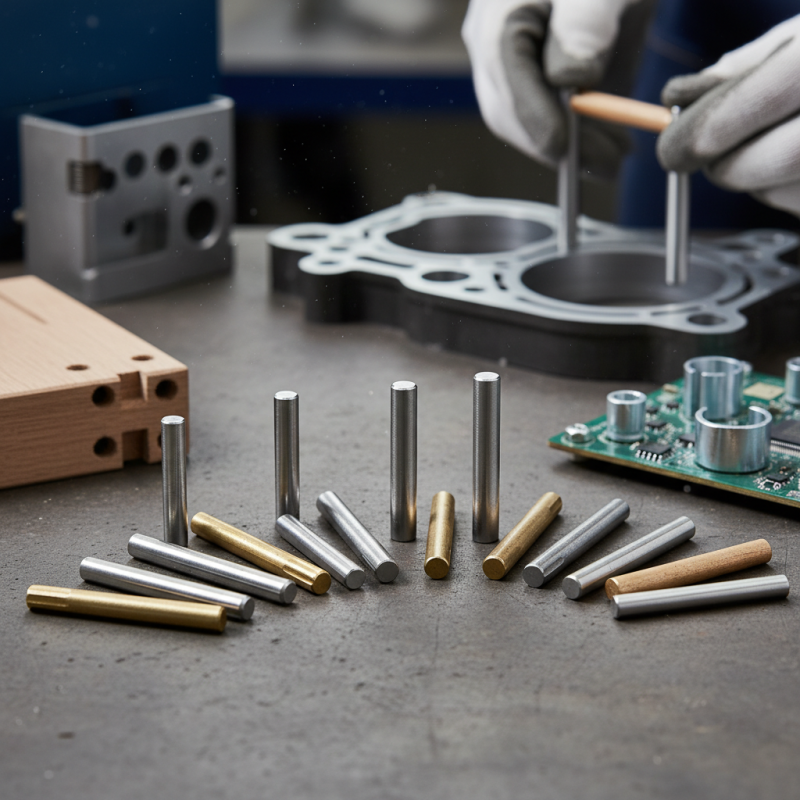
Top Benefits of Using Double-Ended Dowel Pins in Assembly Processes
Double-ended dowel pins are essential in assembly processes. They provide a reliable method for aligning components. These pins ensure precise and accurate positioning. In manufacturing, this leads to improved efficiency and reduced errors. Misalignment can result in costly rework. By using double-ended dowel pins, manufacturers can avoid such pitfalls.
One key benefit is the time saved during assembly. Workers can quickly and easily insert these pins. This speeds up the entire assembly process. Additionally, double-ended dowel pins enhance stability. They secure components firmly, reducing the risk of movement. This stability is crucial for high-quality final products. However, not all companies utilize these pins effectively. Some neglect to consider their specific application needs.
Another advantage is the versatility of these pins. They can be used in various materials, from wood to metal. This adaptability makes them an invaluable tool. Yet, companies must be cautious when selecting sizes. Using the wrong size can lead to failure in assembly. It’s essential to analyze the application thoroughly. This reflection ensures the best results, maximizing the benefits of double-ended dowel pins in manufacturing.

Applications of Double-Ended Dowel Pins in Precision Machining
Double-ended dowel pins are essential in precision machining. These versatile tools ensure alignment and stability in various manufacturing processes. They are often used in furniture assembly, metalworking, and even automotive applications. The design allows them to fit snugly into drilled holes, facilitating component alignment.
In precision machining, the accuracy of dowel pins is paramount. They aid in maintaining the integrity of workpieces during assembly. When used incorrectly, however, misalignment can occur. This can lead to costly errors. Additionally, the material of the pins matters. Various materials provide differing levels of durability and wear resistance.
Using double-ended dowel pins can improve efficiency, but challenges do arise. For instance, ensuring the correct size is crucial. Oversized or undersized pins might not provide the needed hold. Manufacturers must also consider the environment where the pins will be used. Exposure to extreme conditions can affect their performance. Adapting to these variables is key to successful implementation in any machining project.
Impact of Double-Ended Dowel Pins on Product Quality and Consistency
Double-ended dowel pins play a vital role in enhancing product quality and consistency in manufacturing processes. These pins facilitate precise alignment and assembly of components, which is crucial in high-precision industries. According to a report by the National Institute of Standards and Technology, using dowel pins can reduce assembly time by up to 30%. This efficiency not only cuts costs but also minimizes the risk of errors during manufacturing.
Moreover, the use of quality dowel pins impacts the durability and integrity of finished products. A study published in the Journal of Manufacturing Science and Engineering highlights that products assembled with dowel pins exhibit 25% greater strength in joints compared to those without them. However, the manufacturing process must be closely monitored. Inconsistent quality of dowel pins can lead to misalignment and product failure, which poses serious concerns for manufacturers. It is essential to evaluate the sources of dowel pins and ensure they meet industry standards consistently.
In practice, while double-ended dowel pins improve assembly precision, the reliance on them can introduce a single point of failure. If misaligned, an entire batch of products could be compromised. Continuous training and quality control are necessary to mitigate these risks and maintain high standards in production.
Cost-Effectiveness of Double-Ended Dowel Pins in High-Volume Manufacturing
In high-volume manufacturing, cost-effectiveness is crucial. Double-ended dowel pins are widely used for assembly due to their efficiency. According to a recent industry report, using double-ended dowel pins can reduce assembly time by up to 40%. This efficiency directly correlates with reduced labor costs. In a competitive market, saving on assembly can significantly boost profitability.
Moreover, double-ended dowel pins are surprisingly versatile. Their design allows for precise alignment of parts, which minimizes the risk of errors. An analysis from a leading manufacturing research group indicates that using these pins can lower error rates by nearly 25%. This reliability leads to lower scrap rates and less rework, enhancing overall operational excellence.
However, there are some considerations to keep in mind. The initial costs for high-quality pins may be higher. Some manufacturers might overlook this and choose cheaper alternatives, leading to more significant long-term costs. It’s vital to weigh immediate savings against potential losses due to inefficiencies. As manufacturing continues to evolve, understanding these dynamics is key to making informed decisions.
Innovative Designs Utilizing Double-Ended Dowel Pins for Enhanced Durability
Double-ended dowel pins play a crucial role in modern manufacturing. They enhance durability in various applications, such as furniture assembly and machinery construction. Their design allows for easy alignment and precise fastening. Many manufacturers opt for double-ended dowel pins to improve product lifespan. These pins can withstand high pressures and loads, making them ideal for robust applications.
Innovative designs often integrate double-ended dowel pins into complex structures. For instance, they are used in aerospace components, where safety and reliability are top priorities. The smooth surface of the pins ensures minimal wear and tear. However, it’s essential to choose the right material and size for specific tasks. Sometimes, manufacturers overlook these details, leading to failures.
In furniture manufacturing, these pins provide sturdy joints. They contribute to a clean aesthetic while ensuring strength. Yet, even with their advantages, over-reliance on dowel pins can lead to issues during assembly. Skilled workers need to assess the entire design carefully. Balancing the use of dowel pins with other fasteners can yield better results. This approach fosters innovation while addressing potential weaknesses in product design.
Article Source:
NORTH EASTON MACHINE • 218 Elm Street • North Easton, MA 02356 • 508-238-6219