Top Tips for Choosing the Best Aluminum Welder Machine?
In the world of welding, choosing the right Aluminum Welder Machine can be a daunting task. Experts like David Carter, a renowned welding specialist, emphasize, "Selecting the right machine can determine the success of your projects." His insights remind us that understanding the nuances of aluminum welding is vital.
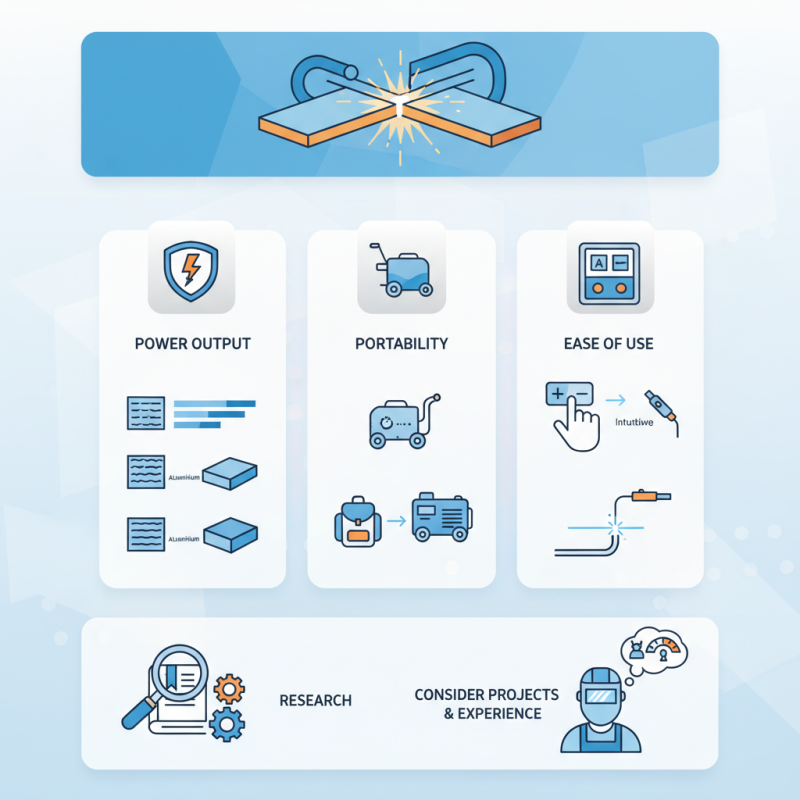
Aluminum welding requires specific skills and equipment. With so many options available, making the best choice is crucial. Factors like power output, portability, and ease of use all come into play. Yet, many overlook crucial details when selecting their machine. This can lead to frustrating experiences and unsatisfactory results.
Investing time in research is important. You want a reliable Aluminum Welder Machine that suits your needs. Don't rush this decision. Consider your specific projects and experience level. A thoughtful approach will yield better outcomes in your welding endeavors.
Understanding Aluminum Welding: Key Considerations for Choosing Equipment
When considering aluminum welding, understanding the material's properties is essential. Aluminum is lightweight and prone to oxidation, making it tricky to weld. The welding machine should be capable of providing a stable heat source. Too much heat can warp the aluminum, while too little leads to weak joints. Pay close attention to your project requirements.
Different welding processes suit aluminum better than others. MIG and TIG are popular choices, each with strengths and weaknesses. MIG welding is faster and easier for beginners, while TIG offers finer control. This choice depends on the project's complexity. Don’t overlook the importance of proper shielding gas as well. Gas quality affects weld integrity and prevents defects.
Think about the welder's versatility and power settings. Adjustable settings can accommodate various thicknesses. A machine with limited functionality may not be the best long-term investment. Also, consider your skill level. More advanced welders may have features that seem overwhelming at first. Always weigh what you truly need against what might seem appealing. Making an informed decision now can save frustration later.
Types of Aluminum Welding Processes: Which is Right for Your Needs?
When considering aluminum welding, understanding the types of welding processes is essential. Each method has unique advantages based on the project’s requirements. MIG welding is popular for its ease of use. It provides a clean finish and works well for thin aluminum materials. TIG welding, on the other hand, offers precision. It is perfect for intricate designs and thicker materials.
Tip: Evaluate the thickness of your aluminum. Thicker materials may require TIG welding for better control. MIG welding is great for lighter tasks.
Consider the application as well. For automotive projects, MIG is often favored due to its speed. Artistic applications may benefit more from TIG, allowing for detailed work.
Tip: Don’t rush your choice. Test different methods on scrap materials to see which suits your style best. Understanding these variations can significantly impact your project's success.
Aluminum Welding Processes Comparison
Key Features to Look for in an Aluminum Welder Machine
When selecting an aluminum welder machine, understanding key features is crucial. One primary aspect is the power source. Many models utilize either AC or DC power. AC is often favored for thin aluminum, while DC provides better control for thicker materials. Industry reports indicate that 70% of professionals prefer inverter-based machines for their lightweight and efficiency.
Another critical feature to consider is the duty cycle. This indicates how long a machine can run continuously. A duty cycle of 60% at 200 amps is standard for reliable machines. Machines with higher duty cycles can handle larger projects, reducing downtime. Additionally, adjustable settings allow for fine-tuning of the welding process. This flexibility ensures optimal results in various applications.
Welders also require good thermal management to prevent overheating. Cooling systems play a significant role here. A machine with effective cooling will prolong its lifespan and maintain consistent performance. Some experts have reported that up to 40% of welding machines experience issues due to inadequate cooling. Investing in a model with robust thermal management can mitigate these risks. Each of these features contributes significantly to the performance and reliability of an aluminum welder machine.
Evaluating Budget vs. Quality: Finding the Best Value in Welders
When selecting an aluminum welder, balancing budget and quality is crucial. Many professionals face the dilemma of opting for a low-cost machine or investing more for superior performance. A recent industry report indicates that nearly 70% of users prefer welders with a balance of affordability and reliability. This trend highlights the importance of evaluating features that truly add value.
Quality welders often come with advanced features like better thermal control and efficient power usage. According to a survey by the Welding Institute, machines in the $300-$600 range tend to offer a good mix of durability and performance. However, buyers frequently encounter machines that sound promising but deliver mediocre results. This reality can lead to increased frustration, especially for those new to welding.
Reflection on personal needs is essential. Some find that spending a little more upfront leads to better long-term savings. Extended warranties and customer support are often worth considering. The perception of getting "more bang for the buck" can be misleading. Therefore, weighing all factors, including your skill level and project requirements, is fundamental. Ultimately, the best aluminum welder is one that meets your specific needs without compromising quality.
Safety and Maintenance Tips for Your Aluminum Welding Machine
When working with aluminum welding machines, safety is paramount. Always wear protective gear, including goggles and gloves. This reduces your risk of injury from sparks and heat. Inspect your machine regularly. Look for wear and tear, as this can affect performance and safety.
Tip: Ensure proper ventilation in your workspace. Fumes from welding can be harmful. A well-ventilated area helps in maintaining air quality.
Maintenance is equally important. Clean your machine after each use. Residue can accumulate, endangering your safety and the machine’s efficiency. Check the cables and connections frequently. Signs of damage can lead to malfunctions or accidents.
Tip: Keep a maintenance log. This might seem tedious, but it can help track repairs and performance. Being proactive is better than dealing with unexpected issues later.


 Find Your Solutions ▶