Top Stepper Drives for Efficient Motion Control Solutions?
In today's rapidly evolving industrial landscape, efficient motion control is paramount. Stepper Drives are particularly noteworthy for their precision and reliability in applications ranging from robotics to CNC machines. According to a report by MarketsandMarkets, the global Stepper Drives market is expected to grow from $2 billion in 2020 to over $3 billion by 2025, reflecting a substantial demand for high-performance motion control solutions.
Industry expert Dr. Alice Chen, a leading figure in automation technology, emphasizes the importance of Stepper Drives, stating, "Stepper Drives transform how machines interact with their environments." This statement highlights the pivotal role these drives play in enhancing operational efficiency. However, the increasing complexity of applications introduces challenges; not all Stepper Drives are optimized for every scenario.
Selecting the right Stepper Drive requires careful consideration of specific application needs. Users must evaluate torque, speed, and control options to avoid potential pitfalls. While Stepper Drives are known for their advantages, recognizing their limitations is crucial for optimal performance. Achieving efficient motion control solutions demands both expertise and a thorough understanding of technological intricacies.
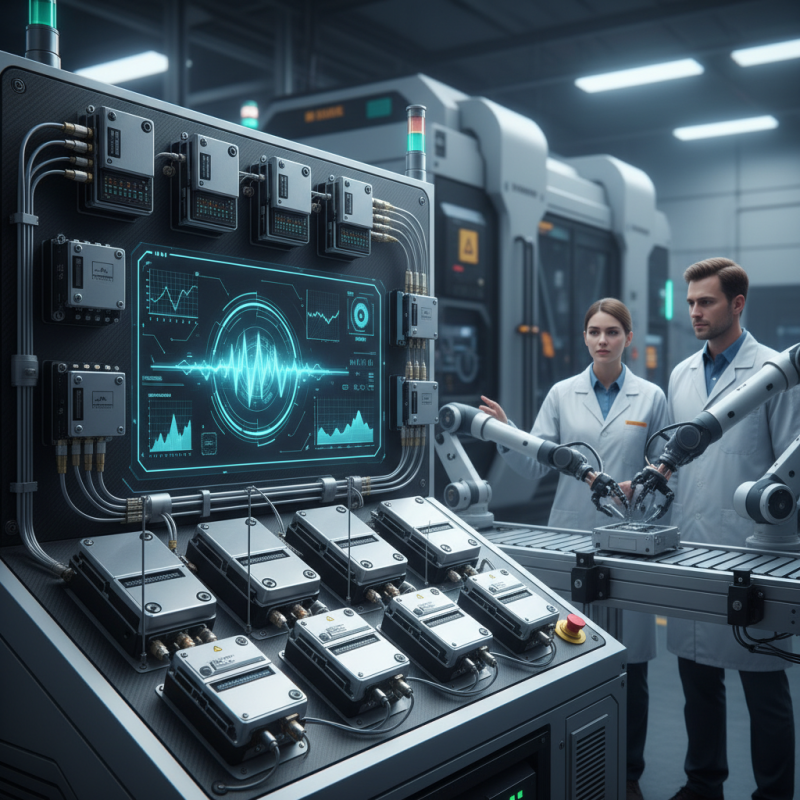
Overview of Stepper Drives and Their Applications
Stepper drives are vital in motion control solutions across various industries. They convert electrical pulses into precise mechanical movements. This technology is widely utilized in applications such as 3D printing, CNC machines, and robotics. Industry reports suggest that the market for stepper drives is expected to grow at a CAGR of over 7% from 2023 to 2028. This growth reflects the increasing need for accurate motion control systems in automated processes.
Applications of stepper drives are diverse. For instance, in 3D printing, their ability to provide fine position control allows for high-resolution prints. In CNC machines, these drives facilitate intricate designs and improve production rates. However, not all implementations are flawless. Some systems struggle with resonance issues, impacting performance. Proper tuning is essential to mitigate these challenges.
The adaptability of stepper drives to various loads makes them appealing. Yet, they can also exhibit limitations regarding speed and torque. Users must weigh these factors carefully. Continuous advancements in technology aim to resolve these imperfections, enhancing reliability and efficiency in motion control solutions. As industries evolve, the role of stepper drives will likely become increasingly significant.
Key Features of Efficient Motion Control Solutions
Efficient motion control solutions are crucial for optimizing automation processes. A recent industry report indicates that approximately 70% of companies prioritize efficiency in their production lines. Key features that define effective motion control systems include precision, responsiveness, and adaptability. Precision ensures accurate positioning, which significantly enhances product quality. In fact, studies show that systems with high precision can reduce waste by up to 30%.
Responsiveness plays a vital role in real-time adjustments. Modern systems can adapt within milliseconds to changes in load or speed, ensuring smooth performance. This capability is essential for applications like robotics or CNC machining, where minor delays can lead to substantial downtime. For instance, manufacturers have reported productivity increases of around 25% after implementing advanced responsive motion control systems.
Tip: Regular maintenance of motion control systems is essential. It can prevent unexpected failures and ensure consistent performance.
Another important feature is the user interface, which should be straightforward. Operators need to easily understand and manipulate the system. Complicated interfaces can lead to errors or inefficiencies, negatively impacting the output. The lack of user-friendly design in older systems often results in considerable training time for new staff.
Tip: Invest in training your team. Ensuring they understand the system can greatly enhance overall efficiency.
Ultimately, efficiency in motion control relies on well-rounded systems that marry technology with user needs. The focus on precision, responsiveness, and usability will drive the industry toward more effective motion control solutions.
Top Stepper Drives for Efficient Motion Control Solutions
This bar chart illustrates the key features of top stepper drives in motion control solutions, showcasing parameters such as speed, torque, efficiency, and noise level.
Comparative Analysis of Top Stepper Drive Technologies
Stepper drives offer precise motion control for various applications. They convert electrical signals into mechanical motion, ensuring accuracy in operation. Different technologies exist, each with pros and cons. Understanding these can help in selecting the right option for specific needs.
When comparing stepper drive technologies, consider torque, speed, and resolution. A higher torque can be beneficial for demanding applications. Speed affects the overall efficiency; fast drives can enhance productivity. Resolution defines the precision of motion. Evaluate how these factors align with your project requirements.
Tips: Assess your application carefully. Measure the required torque and speed. It can prevent costly miscalculations. Always test with prototypes first. This approach allows you to gather data and refine your selection. Inconsistent performance may indicate a mismatch in drive technology. Adjust your choice based on real-world testing results.
Top Stepper Drives for Efficient Motion Control Solutions
| Drive Technology | Microstepping Resolution | Max Current Rating | Control Method | Efficiency (%) | Typical Applications |
| Hybrid Stepper Drives | 1/16 - 1/256 | 2.5 A | Open Loop | 85 | 3D Printers, CNC Machines |
| Digital Stepper Drives | 1/32 - 1/128 | 3 A | Closed Loop | 90 | Robot Arms, Automated Systems |
| Servo Stepper Drives | 1/64 - 1/512 | 4 A | Closed Loop | 95 | Medical Devices, Motion Simulation |
| Ultra-High Precision Drives | 1/128 - 1/1024 | 2 A | Closed Loop | 92 | Laser Cutting, Precision Machining |
Factors to Consider When Choosing a Stepper Drive
Choosing a stepper drive for motion control requires careful consideration of several key factors. Look at the control mode your application needs. Different modes, such as open-loop or closed-loop, can significantly impact performance. An open-loop system is simpler and often cheaper, but may lack precision. Closed-loop systems offer higher accuracy and reliability.
Next, consider the torque requirements. Depending on the load you will move, the stepper drive must provide sufficient torque. Also, evaluate the step resolution and speed. A higher step resolution allows for finer movements, which may be crucial for intricate tasks. However, extreme speeds can lead to inaccuracies or overheating.
Don't overlook the environmental conditions where the stepper drive will operate. Factors like temperature and humidity can affect performance. Lastly, think about future scalability. Choosing a drive that allows for upgrades or expansions can save costs down the line. It’s vital to reflect on these aspects to avoid rushing into decisions, which could lead to operational inefficiencies.
Future Trends in Motion Control with Stepper Drives
The future of motion control with stepper drives is promising and dynamic. Industries are increasingly adopting stepper motors for their precise control and efficiency. Applications range from robotics to 3D printing, showcasing their versatility.
One notable trend is the integration of AI with stepper drives. This development allows for smarter, real-time motion control. For instance, predictive algorithms can optimize performance by anticipating disruptions. Such advancements may enhance product quality and operational efficiency.
Tips: When selecting a stepper drive, consider its torque requirements and power ratings. Always account for heat dissipation in long-running applications. Testing various configurations can provide insights into optimal setups.
Another key trend is the shift towards eco-friendly technologies. Manufacturers are exploring ways to reduce energy consumption and waste. These innovations can lead to sustainable solutions that meet global demands.
Despite these advancements, challenges remain. For example, stepper drives can struggle with high-speed applications. Designers must carefully analyze motor specifications to ensure compatibility. Balancing efficiency and performance will continue to be a critical focus in motion control systems.


 Find Your Solutions ▶