
Top 10 Soft Lamination Machines for Global Buyers?

Soft Lamination Machine technology is reshaping how global converters produce flexible packaging, labels, films, and technical laminates. Buyers now examine more than speed. They compare coating accuracy, adhesive compatibility, curing performance, energy use, operator safety, and after-sales support.

Smithers’ report, The Future of Flexible Packaging to 2028, identifies continued growth in flexible packaging demand, driven by lightweight formats and material efficiency. PMMI’s 2024 reports also highlight automation, workforce shortages, and digital monitoring as major machinery priorities. These trends make equipment selection more complex. A fast machine may still disappoint if tension control drifts or cleaning takes too long.

Vincenzo Soprano, CEO of Nordmeccanica, has repeatedly stressed a practical principle: “Technology must improve quality, productivity, and sustainability together.” That view matters when assessing the top machines for international buyers. A reliable Soft Lamination Machine should deliver stable web handling, consistent bond strength, and repeatable results across different substrates.

Real factories reveal the difference. A scratched roller, uneven adhesive film, or delayed spare part can stop production quickly. No ranking is perfect. Regional service networks, voltage standards, operator training, and local material availability can change the final decision.

This guide compares ten leading machines through a buyer-focused lens. It considers measurable performance, real operating conditions, manufacturer credibility, and long-term ownership costs. Some specifications look impressive on paper. Factory evidence deserves more trust.
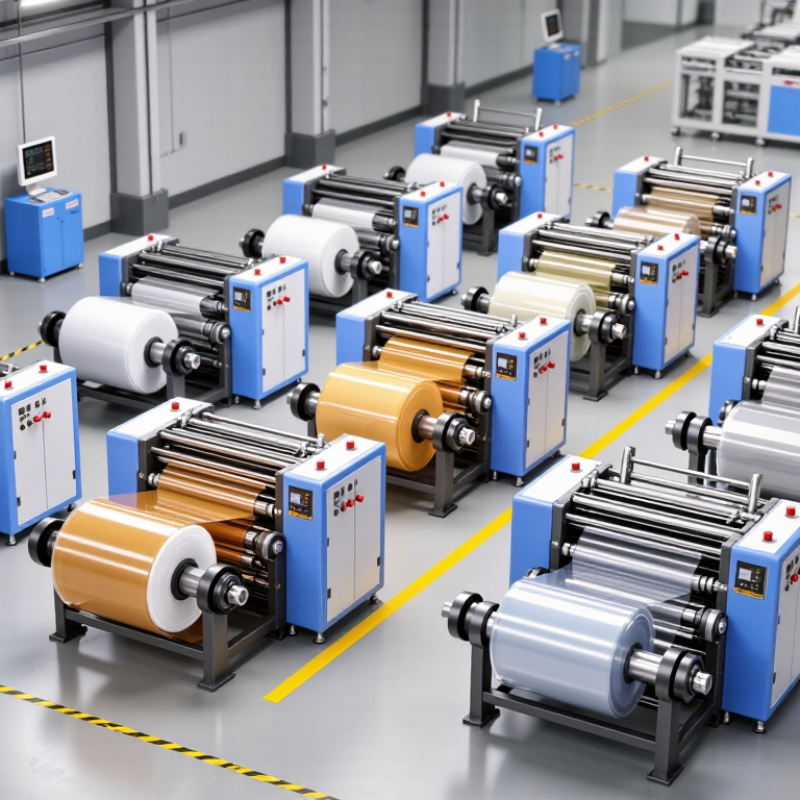
Top 10 Soft Lamination Machines for Global Buyers?

What Are Soft Lamination Machines and How Do They Work?

Soft lamination machines join two or more flexible webs into one functional structure. Typical materials include film, foil, paper, and nonwoven layers. The finished laminate may feel soft, resist moisture, or improve seal strength.

The process starts with separate unwind stations. Each roll feeds through tension controls, which prevent wrinkles and stretching. An adhesive coating unit applies a measured layer to one web. Solventless, water-based, and solvent-based systems are used, depending on the substrate and production requirements. A heated or chilled nip then presses the layers together. The laminate may cure in a controlled chamber before slitting and rewinding.

Small details matter. A dusty roller can create pinholes. Excessive tension can distort printed graphics. Operators should check coat weight, bond strength, residual solvent, and web alignment during production. That practical discipline often matters more than headline machine speed.

Grand View Research projects the global flexible packaging market to grow at approximately 4.9% annually from 2024 to 2030. Smithers also identifies lightweight structures and recyclable designs as important market drivers in its flexible packaging outlook. These reports indicate continuing demand for accurate, material-efficient lamination equipment. However, market forecasts use different definitions. Buyers should compare testing methods, energy consumption, curing time, and actual waste rates before trusting a quoted capacity. Performance claims can look perfect on paper. Real production is less forgiving.

Key Performance Criteria for Comparing Global Lamination Equipment

When comparing the top 10 soft lamination machines, global buyers should measure performance beyond advertised speed. Start with working width, compatible film thickness, and actual output on common substrates. A machine rated for 80 meters per minute may run slower with textured paper or heat-sensitive film.

Film tension control deserves close attention. Uneven tension can create wrinkles, silvering, or curled edges. Ask suppliers for trial samples using your own materials. Check whether the nip pressure remains stable across the roller width. Small pressure differences can become visible defects on large sheets.

Temperature accuracy is equally important. Review heating response, cooling time, and energy use during extended production. Operators should access clear controls, emergency stops, and simple adjustment screens. Safety guarding must suit local workplace requirements. Voltage options, language support, and climate protection also matter for international installations.

Maintenance can decide the real cost. Inspect roller cleaning access, replacement intervals, spare-part availability, and remote support response times. A wider machine is not always better. That assumption can fail. Match capacity with order volume, floor space, and operator skill. During evaluation, record waste rates, start-up time, noise, and power consumption. These details often reveal more than a polished demonstration. Some scoring systems still overvalue speed, and I have seen that mistake increase downtime later.

Top 10 Soft Lamination Machines by Features and Applications

Top 10 Soft Lamination Machines by Features and Applications

For global buyers, the best soft lamination machine depends on material, speed, and end use. Solventless models suit flexible packaging with lower drying demands. Thermal systems work well with heat-sensitive films when pressure stays controlled. Water-based machines support paper labels, pouches, and coated substrates, but drying space becomes critical. Narrow-web machines fit labels and short runs. Wide-web lines handle high-volume packaging. Duplex units laminate two layers in one pass. Triplex machines combine three films for stronger barrier structures. Roll-to-roll systems support continuous production. Intermittent machines reduce waste during variable designs. Compact laboratory machines help test adhesives before factory investment.

A reliable selection process starts with real samples. Test film tension, adhesive spread, curing time, and bond strength. Operators should inspect wrinkles under side lighting, not only from a distance. Machines with automatic viscosity control can improve consistency, especially during long shifts. Precise edge alignment reduces trimming waste. Better controls do not replace skilled setup. They only make mistakes easier to detect.

Applications vary widely. Food packaging needs stable bonding and clean production controls. Pharmaceutical packaging requires documented process validation and traceability. Decorative films demand smooth surfaces without bubbles or silvering. Recycled structures may need different pressure and temperature settings. No machine wins every application. Some performance comparisons remain incomplete because suppliers publish different test conditions. Buyers should request trial reports, maintenance records, spare-part availability, and operator training details before approval. This is slower. It is usually safer.

Top 10 Soft Lamination Machines for Global Buyers - Top 10 Soft Lamination Machines by Features and Applications

Rank Machine Type Suitable Materials Typical Working Width Typical Speed Heating Method Primary Lamination Method Key Features Typical Applications
1 Roll-to-Roll Hot-Melt Laminator Textiles, nonwovens, films, foams and coated fabrics 1,600–2,400 mm 10–40 m/min Electric oil or infrared Hot-melt adhesive Continuous production, adjustable nip pressure, adhesive coating control and automatic web alignment Mattress fabrics, upholstery, protective covers and technical textiles
2 Flame Lamination Machine Polyurethane foam, polyester fabrics, knitted fabrics and laminating films 1,600–2,200 mm 15–45 m/min Direct gas flame Foam surface activation and melt bonding Solvent-free process, high initial bond strength, flame-width adjustment and exhaust ventilation Automotive headliners, sportswear, furniture and bedding components
3 Powder Adhesive Laminator Textiles, membranes, films, fleece and coated fabrics 1,600–2,000 mm 8–30 m/min Hot-air oven or heated drum Thermoplastic powder adhesive Variable powder dosage, recyclable adhesive options, accurate temperature control and low liquid waste Outdoor clothing, filtration media, geotextiles and composite fabrics
4 Hot-Roller Laminator Paper, labels, films, fabrics, synthetic leather and thin foam 1,300–1,800 mm 5–35 m/min Heated steel or silicone rollers Thermal film or pre-coated adhesive Compact construction, simple operation, adjustable roller gap and consistent surface finish Digital printing, signage, packaging, book covers and garment decoration
5 PUR Reactive Lamination Line Textiles, films, foam, artificial leather and breathable membranes 1,600–2,400 mm 10–35 m/min Heated adhesive tank and coating head Reactive polyurethane adhesive Strong flexible bonds, moisture-curing chemistry, low adhesive add-on and good wash durability Waterproof garments, footwear materials, automotive interiors and technical laminates
6 Water-Based Adhesive Laminator Paper, fabric, nonwoven materials, films and flexible packaging substrates 1,300–2,000 mm 20–80 m/min Hot-air drying tunnel Water-based adhesive coating Low-VOC operation, gravure or roller coating, drying-zone control and easy cleaning Paper products, hygiene materials, packaging laminates and decorative surfaces
7 Solvent-Free Two-Component Laminator PET, BOPP, PE, CPP, aluminum foil, paper and coated films 1,000–1,600 mm 150–450 m/min Heated metering and laminating rollers Solvent-free polyurethane adhesive High-speed production, precise two-component dosing, low emissions and short curing routes Flexible food packaging, pharmaceutical packaging and industrial film composites
8 Intermittent Sheet Laminator Textile panels, foam sheets, leather substitutes, films and composites 1,000–1,800 mm 3–18 m/min Heated platen or roller system Hot-melt film or adhesive web Accurate registration, programmable cycle time, low material waste and flexible batch production Automotive trim panels, bags, footwear parts and made-to-order textile products
9 Membrane Vacuum Laminator Decorative films, wood panels, fiberboard, plastics and shaped components 1,300–2,500 mm bed width Batch cycle: 3–12 min Electric platen or oil-heated platen Vacuum pressure and thermal bonding Uniform pressure on contoured parts, programmable heating, vacuum monitoring and batch flexibility Furniture panels, interior decoration, vehicle trim and three-dimensional surfaces
10 Ultrasonic Spot-Lamination Machine Nonwovens, synthetic fabrics, filter media and thermoplastic webs 300–1,200 mm 5–30 m/min Ultrasonic energy Localized thermal bonding No liquid adhesive, low heat exposure, patterned bonding, low energy demand and clean operation Medical disposables, hygiene products, filtration layers and lightweight technical assemblies

Note: The specifications shown are representative industry ranges. Actual width, speed, temperature, adhesive compatibility and output depend on the machine configuration, substrate structure and production requirements.

How to Choose a Machine for Different Materials and Production Needs

Top 10 Soft Lamination Machines for Global Buyers?

How to Choose a Machine for Different Materials and Production Needs

Selecting a soft lamination machine starts with the material, not the advertised speed. PET, BOPP, PE, CPP, aluminum foil, and paper each react differently to heat and tension. A PE film may stretch under excessive pressure, while foil can wrinkle after a small alignment error. Start with the web.

For solventless adhesive work, check coating accuracy, mixing control, curing conditions, and minimum coat weight. Dry lamination needs reliable oven temperature and solvent recovery systems. Flexible Packaging Association data reported US flexible packaging sales of about 39.8 billion dollars in 2023, showing the scale of this market. Production stability matters more than peak speed. A machine running at 250 meters per minute may waste more material than a slower machine with accurate tension control.

Match the machine width and roll diameter to real orders. Short runs need fast changeovers, simple cleaning, and low adhesive waste. High-volume lines need automatic splicing, closed-loop tension control, and dependable curing time. Smithers’ 2024 flexible packaging research identifies lightweight structures and recyclable formats as continuing market directions. That creates a practical challenge: thinner films demand gentler handling, but they expose every control weakness. Small trials matter. Ask suppliers for test results using your actual film combination, adhesive, and ink system. I have seen specifications look impressive until a narrow PE web drifted during acceleration. The brochure was right, but incomplete.

Top 10 Soft Lamination Machine Configurations for Global Buyers

Typical rated production speeds for soft lamination systems handling different flexible packaging materials and production requirements.

Reference values are representative industrial planning figures. Actual output depends on adhesive technology, coating weight, web width, curing time, substrate structure, registration accuracy, and operator requirements. Solventless systems are generally preferred where low emissions and reduced drying energy are priorities, while solvent-based and water-based systems can be selected for specific substrates, bond requirements, or existing factory infrastructure.

Global Buying Factors: Compliance, Service, Cost, and Delivery

Top 10 Soft Lamination Machines for Global Buyers?

Choosing among ten soft lamination machines requires more than comparing output speed. Global buyers should verify compliance documents, electrical standards, guarding, and emergency-stop design before requesting a quotation. A machine may appear suitable, yet fail local inspection because its voltage, safety labeling, or control system differs from regional requirements.

Service quality can protect production better than a small discount. Ask about remote diagnostics, spare-part availability, installation training, and response times in your time zone. Request a written service scope, not only friendly promises. Cost should include freight, commissioning, consumables, maintenance, and operator training. A low purchase price can become expensive after repeated downtime. I have seen buyers focus too heavily on speed and overlook adhesive waste. That decision sometimes needs reconsideration.

Tips: Test the machine with your actual film, adhesive, and substrate. Check wrinkle control, temperature stability, and bonding strength at different speeds. Request sample results, inspection records, and references from comparable markets. Delivery planning also deserves precision. Confirm production dates, packing methods, export documents, port handling, and installation schedules. Build a realistic buffer for customs or seasonal delays. Perfect schedules are rare. A small delay can disrupt an entire launch. Reliable suppliers explain risks early and update buyers with measurable milestones.

Certified Quality System

© North Easton Machine Company, Inc. All rights reserved. • Site: Blog
NORTH EASTON MACHINE • 218 Elm Street • North Easton, MA 02356 • 508-238-6219