
Top 10 Linux Panel PC Features You Need to Know?
The world of computing is continuously evolving, and Linux Panel Pcs have become a popular choice for various applications. These versatile devices combine the power of Linux with the efficiency of touch-screen interfaces. As technology progresses, understanding the key features of Linux Panel PCs is crucial for making informed decisions.
This introduction highlights important aspects to consider when exploring Linux Panel PCs. From durability to energy efficiency, these panels cater to a diverse range of users. However, features differ significantly, which can lead to confusion. Users may find it challenging to select a device that meets their specific needs. The pros and cons must be evaluated carefully.
A Linux Panel PC is not just a hardware product; it symbolizes reliability and innovation in computing. Exploring its features empowers potential users to understand how these systems can enhance productivity and streamline operations. Delving into the intricacies often reveals surprising benefits, yet persistent challenges must not be overlooked. In this ever-changing landscape, staying informed is essential.
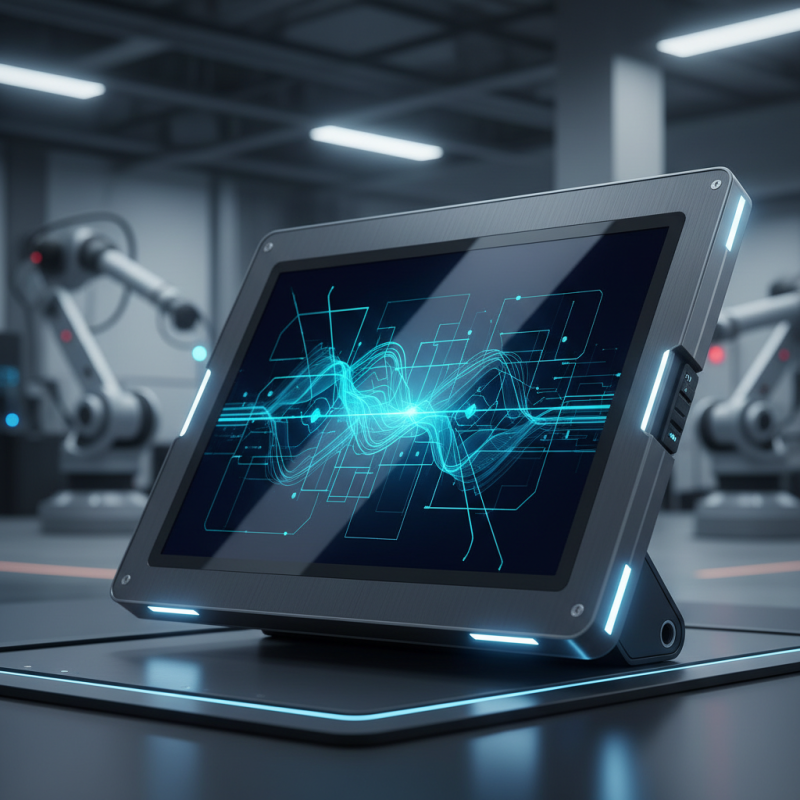
Essential Features of Linux Panel PCs for Industrial Use
Linux panel PCs have gained popularity in industrial applications due to their versatility and robustness. These systems typically feature a sleek design with high-performance components necessary for real-time data processing. According to recent industry reports, the market for industrial panel PCs is expected to grow at a CAGR of over 8% from 2023 to 2030. This growth indicates a rising demand for efficient computing solutions in factory automation, control systems, and monitoring applications.
One essential feature of Linux panel PCs is their ability to operate in harsh environments. Equipped with wide temperature ranges and dust and water resistance, these devices ensure reliability. Additionally, they support various I/O interfaces, facilitating seamless integration with existing systems. Another critical aspect is their energy efficiency. Industry data reveals that Linux-based systems can consume up to 30% less power than their counterparts. This reduction can lead to lower operational costs in the long run.
However, there are challenges. Not all Linux distributions are optimized for panel PC hardware. Compatibility issues can arise, impacting performance. Organizations must also consider software support and community resources. While Linux offers a flexible platform, the learning curve may present obstacles for some users. This calls for careful planning and training to maximize the benefits of adopting Linux panel PCs in industrial settings.

User Interface Customization Options in Linux Panel PCs
Linux Panel PCs offer impressive customization options for users seeking personalized experiences. One key aspect is the ability to tailor the user interface, allowing individuals to create layouts that suit specific tasks. This flexibility can enhance productivity for different environments, from manufacturing floors to educational settings.
For example, you can modify the desktop background, icons, and menus to reflect the tasks at hand. Users may find themselves frustrated if they cannot easily access the tools they need. Customizing the workflow can alleviate such frustrations and streamline operations. Additionally, different user interfaces, like Gnome or KDE, provide unique visual styles and functionalities that appeal to various preferences.
Moreover, Linux Panel PCs allow users to adjust visibility settings for accessibility. This feature is essential, yet often overlooked, in creating inclusive environments. Users with specific needs may benefit from the ability to enlarge text or alter color contrasts. However, this level of customization sometimes requires technical knowledge, which may be a hurdle for some users. Balancing complexity and usability is crucial in making Linux customization effective for everyone.
Hardware Specifications to Consider for Linux Panel PCs
When selecting a Linux panel PC, hardware specifications play a crucial role. Key components like the processor, RAM, and storage directly influence performance and usability. Research indicates that panel PCs with multi-core processors significantly outperform single-core models in multitasking capabilities. A dual or quad-core CPU offers better performance for demanding applications, which is essential in various professional settings.
The amount of RAM is equally important. Studies show that devices with at least 8GB of RAM provide a smoother experience, especially for graphic-intensive tasks. Insufficient RAM can lead to slowdowns and reduced productivity. Storage options also matter. Solid-state drives (SSDs) are recommended for faster boot times and quicker access to applications. Traditional hard drives can bottleneck performance, creating frustrating delays.
Screen resolution and touch functionality are other specifications to evaluate. Higher resolutions like 1920x1080 enhance visual clarity and detail for applications. Touchscreen capabilities can improve user interaction, making devices more intuitive. However, not all touchscreens are created equal; calibration issues can affect responsiveness. Evaluating these specifications allows for informed decisions tailored to specific professional needs.
Connectivity Features and Networking Capabilities in Linux Panel PCs
In the realm of Linux Panel PCs, connectivity features stand as a crucial element. As industries increasingly rely on real-time data collection, robust networking capabilities are vital. According to a recent industry report, 80% of organizations prioritize enhanced connectivity in their industrial applications. This need drives the demand for Panel PCs equipped with diverse port options, such as USB, HDMI, and serial interfaces. These ports facilitate seamless interactions with various devices.
Networking technologies have significantly evolved. Many Linux Panel PCs now support Wi-Fi and Bluetooth connections, enabling remote access and management. Research indicates that devices with wireless capabilities can improve operational efficiency by 30%. This statistic showcases how essential it is to integrate reliable wireless technologies. However, not all devices perform equally; factors like range and stability can vary. Thus, potential users must carefully assess their connectivity demands.
Moreover, security remains a concern. With increased connectivity comes the risk of cyber threats. Over 40% of organizations recognize that inadequate network security can lead to significant breaches. Panel PCs must provide encrypted connections and support secure protocols to mitigate these risks. Evaluating these features can be challenging, as the best solutions often require in-depth knowledge and thoughtful consideration.
Durability and Environmental Considerations for Linux Panel PCs
Durability is critical for Linux panel PCs, especially in demanding environments. These devices often operate in harsh conditions. For instance, extreme temperatures and moisture levels can impact performance. High-quality materials can provide protection against dust and debris, ensuring longevity.
Environmental considerations are also significant. Linux panel PCs must comply with various durability standards. These might include IP ratings for dust and water resistance. Knowing the specific rating can guide users in choosing the right device for their environment. Additionally, users must think about energy consumption. An efficient device reduces environmental impact and can lower operating costs.
It's essential to acknowledge that no device is perfect. Users may face challenges in finding the right balance between features and durability. Some panels may prioritize lightweight designs over robustness. This could lead to trade-offs in performance. Continuous evaluation of needs and environments is necessary for optimal usage.
Article Source:
NORTH EASTON MACHINE • 218 Elm Street • North Easton, MA 02356 • 508-238-6219