
What Are the 2026 Top Aluminum Window Types?

Choosing the best aluminum window in 2026 requires more than following a popular style. Climate, building orientation, glass selection, and daily use all influence performance. A slimline sliding window may suit a modern apartment, while a thermally broken casement window can provide stronger insulation in colder regions. The right choice depends on practical conditions.

This guide examines the leading aluminum window types expected to shape residential and commercial projects in 2026. It covers casement, sliding, awning, tilt-and-turn, fixed, and folding systems. Each option offers different benefits for ventilation, daylight, security, maintenance, and architectural design. Small details matter. A poorly sealed corner can reduce comfort, even when the frame looks impressive.

Performance should be judged through verified specifications, not attractive photographs. Look for thermal-break construction, suitable glazing, reliable hardware, tested air tightness, and corrosion-resistant finishes. Local weather exposure also deserves attention. Coastal buildings may need stronger surface protection, while hot climates require careful solar-control glass selection.

No ranking is perfect. A premium system may still disappoint when installed poorly. This article therefore compares real-world strengths and limitations, rather than presenting one universal winner. Readers can use these insights to question supplier claims, review project requirements, and select an aluminum window system with greater confidence. The final decision should balance appearance, long-term durability, energy performance, budget, and professional installation quality.
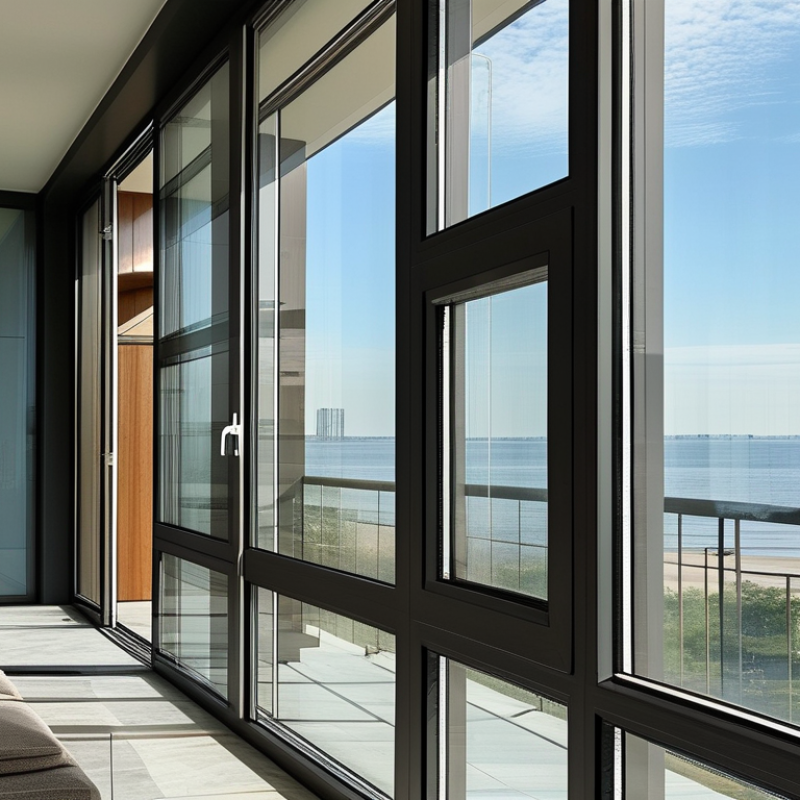
What Are the 2026 Top Aluminum Window Types?

Main Aluminum Window Categories in 2026

In 2026, aluminum windows are commonly grouped by opening method, frame design, and thermal performance. Sliding windows move horizontally, making them practical for balconies, bedrooms, and narrow exterior spaces. They need less clearance than hinged units. Casement windows open outward with side hinges, providing strong ventilation and a tighter seal when closed. Awning windows are top-hinged and can remain partly open during light rain. They suit bathrooms, kitchens, and humid coastal rooms.

Fixed windows do not open, but they deliver clear views and excellent daylight. They often pair with operable units in living rooms or stairwells. Folding windows use several connected panels and can create a wide opening for patios. Tilt-and-turn windows offer two positions: inward tilting for ventilation or full opening for cleaning. The mechanism is useful, but it requires accurate installation. Small errors become obvious.

Frame depth and thermal breaks matter more than appearance alone. A thermally broken aluminum frame can reduce heat transfer across the metal. Low-emissivity glazing and insulated spacers improve interior comfort further. From site experience, water drainage is frequently overlooked around sliding tracks. That detail can cause trouble after heavy rain. Window selection should consider climate, wall exposure, cleaning access, and local building requirements. No category wins every project. A large fixed panel may look impressive, yet it can increase solar heat and cleaning effort. Check tested air, water, and wind performance before ordering.

Casement, Awning, and Fixed Aluminum Windows

Casement, awning, and fixed aluminum windows remain strong choices for 2026 projects. Each type serves a different daylight, ventilation, and weather-control need. Casement windows open outward with side hinges. They catch cross-breezes effectively, even on narrow elevations. Awning windows hinge at the top. Their sloped sash helps protect interiors during light rain. Fixed windows do not open, but they provide broad views and fewer moving parts.

Performance matters more than appearance alone. The U.S. Department of Energy reports that windows can cause 25–30% of residential heating and cooling energy use. The 2024 International Energy Agency buildings report also identifies buildings as responsible for about 30% of global final energy consumption. Therefore, specify thermally broken aluminum frames, low-emissivity glazing, and tested air leakage values. A lower U-factor usually improves insulation. However, excessive glass can increase summer heat gain. That mistake is common. Casements suit bedrooms and living areas needing ventilation. Awning units work well above fixed glazing or in bathrooms. Fixed windows suit large, quiet openings.

Tips: Compare U-factor, solar heat gain coefficient, visible transmittance, and water resistance. Check the window’s tested performance, not only its catalog image. Use casements on wind-facing walls carefully. Strong wind can stress hardware. For coastal locations, request appropriate corrosion-resistant finishes. A beautiful frame can still perform poorly when installation gaps remain unsealed. Orientation data should guide the final choice. Without it, even an experienced specification may need revision.

What Are the 2026 Top Aluminum Window Types? - Casement, Awning, and Fixed Aluminum Windows

Comparison Dimension Casement Aluminum Windows Awning Aluminum Windows Fixed Aluminum Windows
Opening Direction Hinged at the side; opens outward like a door Hinged at the top; opens outward from the bottom Does not open; permanently glazed
Ventilation Performance High; the full sash opening can provide strong airflow Moderate to high; directs airflow upward and helps ventilate during light rain None; designed only for daylight and views
Weather Protection While Open Limited; rain can enter when the sash is open Better than side-hinged windows because the top-hinged sash can help deflect light rain Not applicable; the sealed unit remains closed
Typical Glazing Area Medium to large; narrow frame profiles can provide broad views Small to medium; often selected for upper-level or compact openings Small to very large; well suited to picture-window configurations
Air-Tightness Potential Generally high when the compression seal, hardware, and installation are properly designed Generally high when the sash closes evenly against continuous weather seals Generally the highest of the three because there are no operating joints
Energy-Efficiency Factors Thermally broken frames, low-emissivity glazing, insulated glass, and quality seals improve performance The same glazing and thermal-break features apply; correct drainage is especially important Often offers the best frame-level thermal and air-sealing potential because it has no moving sash
Recommended Locations Living rooms, bedrooms, kitchens, and areas needing strong cross-ventilation Bathrooms, kitchens, basements, and high-level openings requiring controlled ventilation Feature walls, stairwells, offices, corridors, and spaces where ventilation is not required
Operation and Accessibility Easy to operate with a handle, but the opening area must remain clear outside Easy to operate with a handle or operator; useful where outward side clearance is limited No operation required; cleaning access must be considered during planning
Security Considerations Multi-point locking and strong hinges can improve resistance to forced entry Secure locking hardware and restrictors can help control the opening width No operating hardware; security depends mainly on the glass, frame, and installation
Maintenance Requirements Clean tracks and seals, inspect hinges and locks, and keep drainage paths clear Clean seals and drainage channels, and inspect hinges and operating hardware Usually the lowest maintenance; clean glass and inspect perimeter seals
Main Advantages Excellent ventilation, unobstructed opening, and strong contemporary appearance Controlled ventilation, compact outward projection, and improved protection from light rain Maximum daylight and views, simple construction, and minimal moving components
Main Limitations Requires exterior clearance and may be affected by strong wind when open Provides less direct airflow than a fully open casement and may project outward above walkways Cannot provide natural ventilation or emergency egress unless paired with an operable unit

Note: Actual thermal, air, water, structural, and safety performance depends on the complete window system, glazing selection, frame design, local building requirements, and installation quality.

Sliding, Folding, and Lift-and-Slide Aluminum Windows

In 2026, sliding, folding, and lift-and-slide aluminum windows remain leading choices for modern homes. Sliding windows move horizontally along compact tracks, making them useful beside kitchens, balconies, and narrow patios. Their frames are clean, practical, and usually simple to operate. Lift-and-slide systems use a handle to raise the sash slightly before movement. This reduces friction and supports larger glass panels. Small detail. It matters daily.

Folding aluminum windows stack into panels at one side, creating a wide opening for gardens, terraces, or dining areas. They provide strong visual connection between indoor and outdoor spaces. However, more panels mean more hinges, seals, and adjustment points. Regular cleaning helps prevent dust from affecting smooth movement. I once underestimated the importance of floor drainage. That mistake can cause frustrating water buildup during heavy rain. Measure twice.

A reliable selection depends on the opening size, wind exposure, insulation needs, and cleaning access. During site inspections, I check track alignment, frame joints, and drainage channels before discussing appearance. Thermal breaks can reduce heat transfer through the aluminum frame. Multi-point locks and durable weather seals improve security and comfort. Still, no window type solves every problem. A large lift-and-slide panel may feel impressive, but it can be heavy and expensive to repair. Folding windows offer flexibility, while sliding windows often provide easier everyday maintenance.

Tilt-and-Turn and Specialty Aluminum Window Designs

What Are the 2026 Top Aluminum Window Types?

Tilt-and-Turn and Specialty Aluminum Window Designs

Tilt-and-turn aluminum windows remain a strong choice for modern homes in 2026. Their dual action supports daily ventilation and easier cleaning. Turn the handle, and the sash opens inward like a door. Tilt it slightly, and warm air can escape from the upper opening. This design feels practical in kitchens, bedrooms, and narrow balconies. Slim aluminum frames also preserve wider exterior views. However, inward-opening panels need careful furniture planning. A sofa can block the operating path.

Specialty aluminum designs add more flexibility. Awning windows can protect ventilation during light rain. Corner windows create brighter interiors with fewer visible frame lines. Lift-and-slide systems suit wide openings, but their rollers need accurate installation. In my experience, performance depends as much on fitting as on the window itself. A high-quality frame cannot correct poor drainage or uneven walls. That detail is often underestimated.

Tips: Check air leakage, water drainage, and hardware movement before choosing a style. Ask for thermal performance data, not only appearance photos. Measure furniture clearance around tilt-and-turn panels. Consider local wind, rain, and indoor humidity. A darker finish may look refined, but it can show dust and heat more clearly. Perfect designs are rare. Careful matching usually matters more.

How to Compare Aluminum Window Types for Different Needs

In 2026, comparing aluminum window types starts with the room, not the frame color.
Casement windows open wide, making them useful for bedrooms that need strong airflow. Sliding windows save exterior space and suit balconies, narrow corridors, and busy patios. Awning windows keep rain away while allowing ventilation, especially above kitchen counters. Fixed windows provide clear views, but they offer no ventilation.

Thermal-break aluminum frames usually perform better in cold or hot climates. They reduce heat transfer through the frame, though glass quality remains equally important. Ask for low-emissivity glazing, suitable seals, and verified energy data. In a coastal home, corrosion-resistant finishes and regular hardware checks matter. In a city apartment, acoustic glass may be more valuable than a larger opening.

Measure the wall opening carefully. Poor installation can weaken an excellent window.

Maintenance also changes the comparison. Sliding tracks collect dust and need cleaning. Hinged windows require reliable hinges and enough clearance to open safely. Larger panels bring brighter rooms, but they can increase weight, cost, and cleaning effort.

I have seen homeowners choose appearance first, then regret limited ventilation. That mistake is common. A perfect type does not exist; priorities often conflict. Review airflow, sunlight, weather exposure, security, budget, and repair access before choosing.

Forgive the imperfect detail: sample colors can look different under indoor lighting. Test them near the actual wall.

Article Source:

Certified Quality System

© North Easton Machine Company, Inc. All rights reserved. • Site: Blog
NORTH EASTON MACHINE • 218 Elm Street • North Easton, MA 02356 • 508-238-6219