
Top Tips for Choosing Ultrafiltration System at Canton Fair 139?

Choosing the right Ultrafiltration System is crucial for various industries, especially at prominent events like the Canton Fair. These filtration systems play a vital role in water purification and industrial processes. Market research indicates that demand for efficient ultrafiltration is accelerating. The global water filtration market is expected to reach $40 billion by 2027, with ultrafiltration technology holding a significant share.

At the upcoming 139th Canton Fair, which focuses on advanced manufacturing and new materials, businesses will find numerous options. However, not all suppliers meet essential standards. AI-driven search features at the fair can help buyers identify certified vendors quickly. This innovation enhances the efficiency of navigating over 1.5 million square meters of exhibition space. Still, buyers must approach selections carefully, ensuring alignment with their specific requirements.

Making a choice is not only about technology but also about the supplier's reputation. Understanding the nuances of each system is necessary. A well-informed decision will lead to improved operational outcomes. Yet, relying solely on technology without considering supplier reliability can be risky. Thus, critical evaluation of all options is essential for long-term success.
Top Tips for Choosing Ultrafiltration System at Canton Fair 139?

Key Factors to Consider When Selecting an Ultrafiltration System

When selecting an ultrafiltration system at the Canton Fair, focus on key factors that affect performance. Membrane material is vital. Different materials offer various filtration capabilities. Look for those that have proven durability and efficiency. The right membrane can significantly impact water quality.

Another critical aspect is system capacity. Assess your needs carefully. A system with too low capacity may lead to constant overworking. Conversely, an oversized system wastes resources. Consider your water demand and choose accordingly. That will help optimize both performance and cost.

Don't overlook maintenance requirements. Some systems are easier to maintain than others. A difficult setup may lead to operational issues over time. Inquire about service availability. Being proactive in maintenance can save you headaches later. Evaluate all these elements carefully at the fair.

Understanding the Different Types of Ultrafiltration Membranes

Ultrafiltration systems are essential in various industries. Choosing the right ultrafiltration membrane can greatly impact efficiency. There are three main types: hollow fiber, flat sheet, and tubular membranes. Each type serves different purposes. Hollow fiber membranes are popular for their high surface area and compact design. A recent study indicates they achieve over 90% removal of contaminants like bacteria and viruses.

Flat sheet membranes offer versatility. They are often used in pilot systems. Their performance can vary based on material. Polyethersulfone is commonly utilized due to its durability and chemical resistance. Tubular membranes, while less common, excel in high-viscosity applications.

When selecting a system at the Canton Fair, consider each membrane's specific applications. Evaluate feed water quality, expected throughput, and space constraints. A 2022 report estimates membrane-based filtration systems will grow at a CAGR of 8.5% through 2027. This implies evolving technology and growing market needs. Buyers should also reflect on maintenance requirements; neglect can lead to decreased performance and costly repairs.

Evaluating the Performance Metrics of Ultrafiltration Systems

When choosing an ultrafiltration system, performance metrics are crucial. Look for key indicators, including flow rate and filtration efficiency. High flow rates ensure quick processing. A reliable system should offer at least 90% contaminant rejection. This metric is essential for ensuring water quality.

Consider the membrane material as well. Different materials can affect both durability and performance. Some membranes resist fouling better than others. This can save time and maintenance costs. It’s important to balance cost with quality. An expensive system may not always be the best.

Evaluate energy consumption as well. Efficient systems reduce operating costs in the long run. They can also operate with lower pressures, which is beneficial. Keep an eye on system scalability too. As needs grow, the system should adapt without major overhauls. Regular performance assessments are important. Systems may not perform as expected long-term, which requires reevaluation.

Tips for Comparing Prices and Brands at the Canton Fair

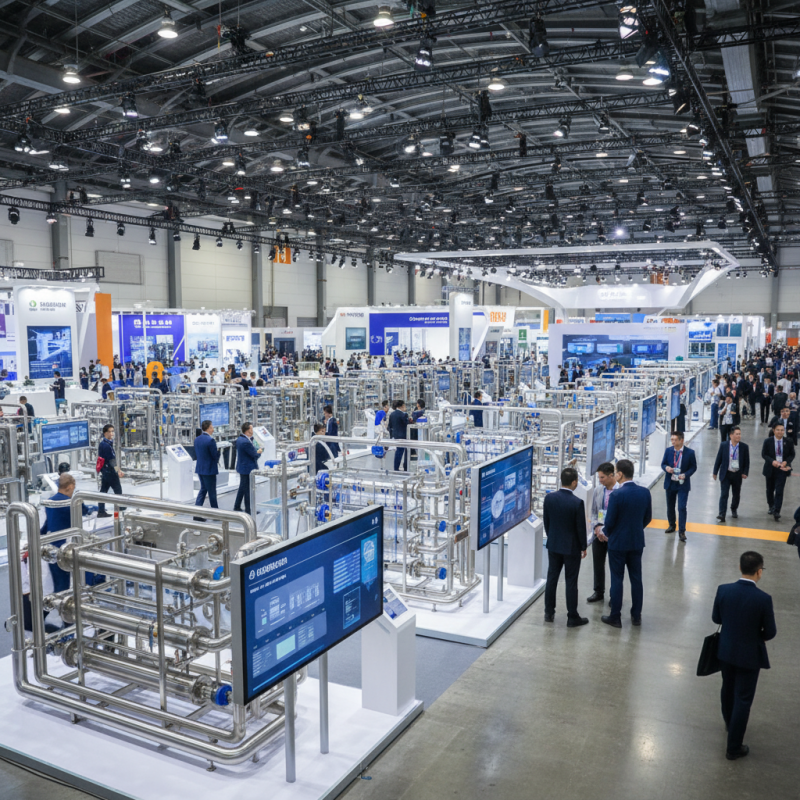
When attending the Canton Fair, comparing prices and brands for ultrafiltration systems is crucial. The fair displays numerous models and variations, creating a vibrant marketplace. Take your time to walk around and observe. Note the features that catch your interest and their price tags. A visually appealing system may not always offer the best value.

During your comparison, don’t hesitate to ask questions from the exhibitors. They are often eager to share insights. However, some may provide overly positive information. Keep a critical eye on claims about performance and durability. It pays to be cautious. Sometimes, the lower-priced options may compromise on quality, which leads to longer-term costs.

Another aspect to consider is the warranty and service options. Some brands may seem affordable but lack proper support. A system without good after-sales service can be a headache. Remember, a wise choice is not only about the initial price but also the overall value. Trust your instincts as well; if something feels off, it might be wise to explore alternatives.

Navigating Supplier Reliability and Post-Purchase Support

Choosing an ultrafiltration system involves more than just picking a product. It’s crucial to evaluate supplier reliability. Start by looking for reviews and testimonials. Genuine feedback from previous customers can reveal a lot. Meet suppliers at the Canton Fair, if possible. Face-to-face discussions help build trust. Ask about their experience and check their credentials.

Post-purchase support is equally important. A reliable supplier should offer accessible after-sales service. Inquire about warranties and maintenance options. Can they provide timely responses to inquiries? Evaluate their support structure. Sometimes, suppliers may promise more than they can deliver. Pay attention to those red flags. A strong support system makes a big difference in the long run. It can save you time and money when issues arise.

Decisions made under pressure can lead to regrets. Take your time to ensure that the supplier aligns with your needs. Discuss potential challenges upfront. Communication is key in establishing a solid partnership. A good relationship can make navigating future issues much easier.

Certified Quality System

© North Easton Machine Company, Inc. All rights reserved. • Site: Blog
NORTH EASTON MACHINE • 218 Elm Street • North Easton, MA 02356 • 508-238-6219