
7 Tips for Choosing TRV Radiator Valves?
Choosing Trv Radiator Valves is not just a matter of matching pipe size. The right valve must suit the heating system, radiator connection, room, and way people use the space. The International Energy Agency’s Energy Efficiency 2023 report estimates that buildings account for around 30% of global final energy consumption and 26% of energy-related emissions. Those figures make better heating control worth considering, though a valve alone cannot transform an inefficient home.
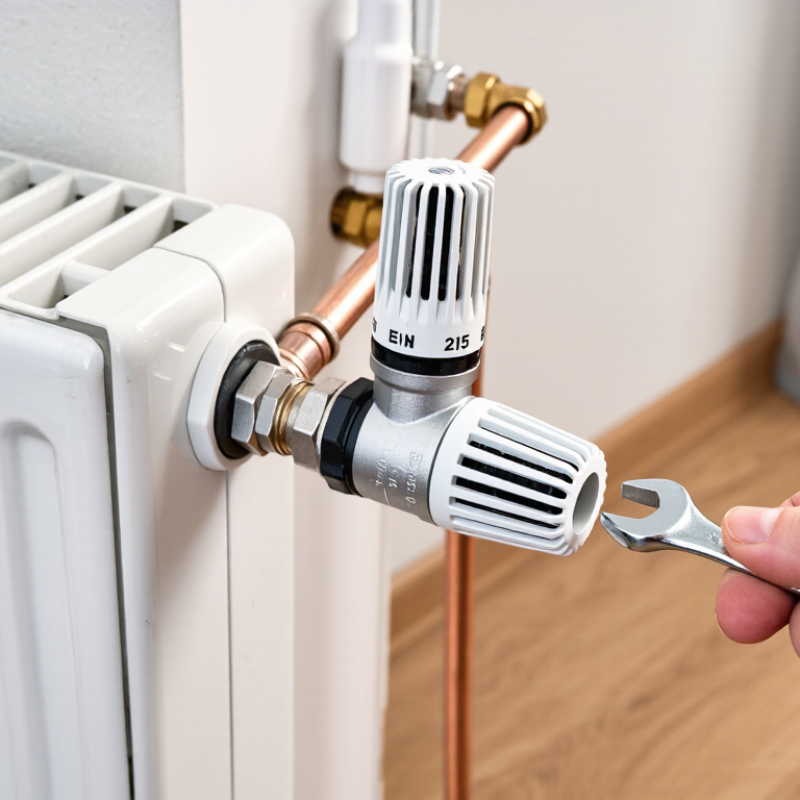
A thermostatic radiator valve senses room temperature and adjusts hot-water flow to its radiator. In practice, that means checking details: a straight or angled body, the available clearance beside a curtain, and whether the valve fits the existing pipework. The EN 215 standard provides performance requirements for thermostatic radiator valves, offering buyers a useful reference beyond packaging claims. Small details matter. A well-rated valve can still disappoint if it is installed where a radiator, furniture, or a draft distorts its temperature reading. And savings are not guaranteed; they depend on the boiler, controls, insulation, and household habits.
This guide explains seven practical checks for comparing Trv Radiator Valves, from compatibility and control accuracy to maintenance and cost. It also flags trade-offs that are easy to overlook. There is no single best valve for every radiator. A careful choice starts with the room, not the sales label.
Understand How TRV Radiator Valves Regulate Room Temperature
A thermostatic radiator valve, or TRV, adjusts the flow of hot water through a radiator to help maintain a chosen room temperature. Its sensor responds to the air around the valve. As the room warms, the sensor expands and moves a small pin, reducing water flow. When the air cools, the pin allows more flow. The valve does not heat a room instantly, and it does not directly control the boiler.
Placement matters. A TRV hidden behind a thick curtain or crowded by furniture may sense trapped warmth instead of the wider room. Choose a valve that suits the radiator connection, then leave space around its sensor. Set the dial to a comfortable level and give the room time to respond. Small changes matter. Numbered settings are useful guides, not exact temperature readings; results vary with the valve and room. It is easy to assume a higher setting will warm the room faster, but it usually keeps the radiator heating longer instead. Check the room with a thermometer if comfort feels inconsistent, and adjust gradually. No valve is perfect. Cold draughts, sunlight, and changing household routines can all affect what the sensor detects.

Choose a Valve Type That Suits Your Heating System
A TRV must match the way your heating system moves hot water. Many domestic systems use two-pipe hydronic heating, where each radiator has a supply pipe and a return pipe. A standard thermostatic valve is often suitable, but check your system layout before buying. One-pipe systems and steam radiators may need different valve arrangements.
Guessing can cause poor heat distribution or leaks.
Pay attention to the pipe connection and valve-body shape. An angled valve suits pipework coming from the floor and turning into the radiator. A straight valve usually fits pipework running directly into the radiator from the wall.
Check the flow direction marked on the valve, too; fitting it backwards may cause noise or unreliable control. Small details matter.
Also confirm the valve’s thread, pipe size, and operating range against your existing installation. If the radiator has unusual connections, take clear photos and measurements before choosing a replacement.
It is tempting to assume every radiator uses the same fitting. That assumption can be wrong.
For older systems, or where pipe layout is unclear, ask a qualified heating professional to verify compatibility before installation. A compatible valve should regulate room temperature without restricting circulation elsewhere in the system.
Check Compatibility with Your Radiator and Pipe Connections
A TRV may look like a simple replacement, but the connection must match your radiator and pipework. Check whether the existing valve connects to a threaded radiator tail, a compression fitting, or another connection type. Measure the pipe diameter and note whether the pipes enter from the floor or wall. Also check whether the valve needs a straight or angled body. Small details matter.
Tip: Take clear photos and measure the old valve before shopping. Compare the radiator connection, pipe size, and available space with the new valve’s specifications. Check that the thermostatic head will not be blocked by a curtain, shelf, or tight corner. Do not guess. Similar-looking fittings may not be interchangeable, and an adapter is only suitable when the manufacturer confirms compatibility.
Check flow direction and installation requirements, too; some valves have a marked flow arrow. A mismatch can affect operation or cause leaks. If the pipe alignment is slightly off, resist forcing the connection. Measurements can be imperfect, especially on older systems. That is worth checking twice. For unfamiliar fittings or pipe alterations, ask a qualified heating professional to confirm the match before installation.
Compare Controls, Temperature Ranges, and Energy-Saving Features
7 Tips for Choosing TRV Radiator Valves?
A thermostatic radiator valve (TRV) adjusts hot-water flow as a room warms, but controls differ. Manual models use a numbered dial; smart versions may add schedules, remote control, or open-window detection. Choose the simplest control you will actually use. Extra features are not automatically useful.
Check whether the valve fits your radiator and heating system, and whether its sensor can read room air freely. Curtains or a sofa pressed against the sensor can distort readings.
Compare the stated temperature range and frost-protection setting, not just the dial markings.
European Commission’s 2016 Heating and Cooling Strategy estimated that heating and cooling use nearly half of the EU’s energy. The IEA’s 2023 Buildings report puts buildings at about 30% of global final energy consumption. These figures underline why room-by-room control matters, though results depend on insulation, boiler settings, and household habits.
Energy-saving features such as schedules can prevent heating empty rooms; they cannot fix poor system balancing.
Small detail, big difference.
Check independent test information and installation guidance, too. A lower setpoint may save energy, but comfort is personal—and a valve’s printed numbers are not precise room-temperature measurements.
Assess Installation Needs, Maintenance, and Overall Cost
When choosing TRV radiator valves, check seven practical details: pipe size, valve connection, radiator position, room use, installation access, maintenance, and total cost. Measure the existing connection before buying; a mismatch can mean extra fittings or a return visit. Check whether the valve head will be blocked by curtains or trapped behind furniture, where room temperature readings may be misleading. Older systems may also need balancing after valves are fitted. It can take a little longer than expected.
Plan for upkeep, too. Keep the valve head reachable, and periodically turn it through its range so the pin is less likely to stick after months of inactivity. Ask an installer whether draining the system is needed, and include labour, adapters, and any replacement parts in the quote. A low purchase price is not always the low-cost option.
For a useful benchmark, the U.S. Department of Energy’s Energy Saver guidance estimates that setting a thermostat back 7–10°F for eight hours daily can save up to 10% a year on heating and cooling. That figure concerns thermostat setbacks, not TRVs specifically, so treat it as context rather than a promised saving. Compare the valves’ cost with your actual heating schedule and the rooms you rarely use. I would not assume every room needs the same setting.
Article Source:
NORTH EASTON MACHINE • 218 Elm Street • North Easton, MA 02356 • 508-238-6219