
Ultimate Tips for Choosing the Right Shale Shaker Screen?
Choosing the right shale shaker screen is crucial for efficient drilling operations. According to industry expert Dr. Emily Chen, "The right screen can significantly enhance drilling performance." Selecting a shale shaker screen involves understanding various factors, including mesh size and material quality.
An inappropriate screen may lead to increased downtime and higher costs. It’s essential to consider the specific drilling environment. Each well presents unique challenges that the screen must address. Feedback from the field can reveal valuable insights as well.
The decision process can seem overwhelming. Comparing options requires careful analysis rather than simply relying on brand names. Remember, the right shale shaker screen is not just a tool; it’s a vital component that supports your drilling success. Reflect on past choices and always seek improvements.
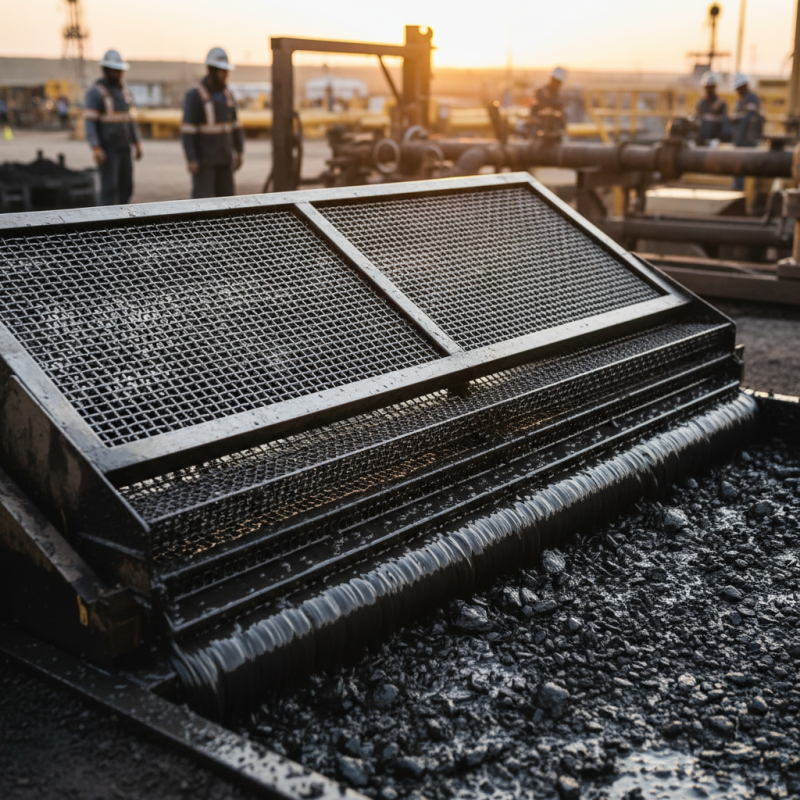
Understanding the Functionality of Shale Shaker Screens
Shale shaker screens play a crucial role in the drilling process. They help separate valuable drilling fluids from drilled solids. The effectiveness of these screens can significantly influence overall drilling performance. A study by the Society of Petroleum Engineers found that optimizing screen selection could improve fluid recovery by up to 15%. This statistic highlights the importance of choosing the right screen for your specific application.
When selecting shale shaker screens, consider factors like mesh size and material composition. Screens come in various mesh sizes, impacting what solids they can exclude. For example, screens with a finer mesh can filter smaller particles but may lead to a higher pressure drop. This could compromise fluid flow. Understanding the balance between solids removal and fluid efficiency is essential. Failing to adjust this balance can lead to inefficiencies and increased operational costs.
Material durability is another key aspect. Different screen materials can withstand varying levels of wear and tear. Some may degrade faster in harsh drilling conditions, impacting their lifespan. According to industry reports, the average screen has a lifespan of 500 hours; however, this can vary. Better material choices can extend this period. Inadequate considerations in material selection might require frequent replacements, adding unexpected costs to drilling operations.
Ultimate Tips for Choosing the Right Shale Shaker Screen - Understanding the Functionality of Shale Shaker Screens
| Criterion | Description | Importance | Tip |
|---|---|---|---|
| Mesh Size | Indicates the size of particles that the screen can filter. | High | Choose a mesh size that suits your drilling mud properties. |
| Material | Material used affects durability and performance. | Medium | Opt for screens made from high-quality steel or composite materials. |
| Shape | The screen's shape can affect the flow of fluids. | Medium | Consider flat or pyramid shapes based on your shaker type. |
| Cost | Overall expense can influence choices. | High | Balance quality and price, investing in reliability. |
| Maintenance | Ease of maintenance affects operational costs. | Medium | Select screens that require minimal upkeep. |

Key Factors to Consider When Selecting Shale Shaker Screens
When selecting the right shale shaker screens, several key factors come into play. A primary consideration is the API mesh size. This determines the screen’s filtering capability. According to industry reports, a proper mesh size can significantly reduce solids from drilling fluids. For instance, a 200 mesh screen can capture particulate matter down to 74 microns, enhancing drilling efficiency.
Another crucial aspect is the screen's compatibility with drilling fluids. Wet and dry conditions can influence the performance of screens. Studies indicate that screens designed for specific fluid types provide better separation and minimize fluid loss. The material composition of the screen also matters. The right materials resist wear and tear, extending screen life and reducing costs over time.
Cost-effectiveness is not just about price. It involves considering long-term value. Investing in high-quality screens can lead to fewer replacements and reduced downtime. However, some operators may overlook this, opting for cheaper alternatives. The balance between cost and performance needs careful evaluation. Poor choices can lead to inefficiencies and increased operational risks. Each of these factors reveals the complexity of selecting shale shaker screens effectively.
Ultimate Tips for Choosing the Right Shale Shaker Screen
This chart displays the key factors to consider when selecting shale shaker screens, including mesh size, material durability, and screen tension.
Types of Shale Shaker Screens and Their Applications
When choosing shale shaker screens, understanding the different types is essential. There are several primary classifications. Each type serves specific functions in drilling operations. For example, wedge wire screens are known for their efficiency in separating solids from liquids. They have narrow openings that optimize solids removal. On the other hand, mesh screens can vary in size, offering flexibility. They are great for general-purpose use.
Applications differ among the types of screens. Fine mesh screens are ideal for water-based drilling fluids. They handle smaller particles effectively. In contrast, coarse screens work well for heavier, oil-based fluids. It's crucial to match the screen to the material it will encounter. Sometimes, improper choices lead to inefficient operations. Users should consider both the particle size and the fluid viscosity.
One common oversight is neglecting wear and tear. Screens often degrade over time. Regular evaluation can help identify when to replace them. Sometimes, the screen may look fine but still underperform. Drilling conditions can change, requiring a review of the screen type. It’s important to adapt to these changes for optimal results.
Evaluating Material and Durability in Shale Shaker Screens
Choosing the right shale shaker screen involves careful evaluation of material and durability. These factors play a crucial role in performance under demanding conditions. High-quality screens are often made from materials like stainless steel or composite, which offer great resistance to wear. Research indicates that screens with higher tensile strength last longer and provide better efficiency in solids removal.
Tip: Always check the mesh wire diameter. Thicker wires tend to be more durable. Screens should withstand high flow rates without deforming. If they bend or lose shape, efficiency drops. Additionally, consider the mesh opening sizes. They must align with the specific drilling requirements. Improper mesh can lead to underperformance.
Durability is not just about material strength. It’s also essential to assess how screens handle different drilling environments. Shale shakers work in diverse conditions, influencing screen life. For instance, some materials might degrade faster in abrasive formations. Reports highlight that screens used in challenging environments wear out significantly quicker than those in stable conditions. Each application requires careful selection to avoid costly downtime.
Tips for Maintenance and Replacement of Shale Shaker Screens
Maintaining and replacing shale shaker screens is crucial for optimizing drilling operations. A recent report showed that well-maintained screens can improve drilling efficiency by up to 30%. This significant increase reduces overall downtime and enhances productivity in the field. Screen life can fluctuate based on several factors, including type of drilling fluids and operating conditions.
Regular inspections are essential to identify wear and tear. Operators should look for signs of fine particle buildup or visible damage. Both can lead to suboptimal performance. It's common to overlook maintenance until a problem arises, but this can lead to costly delays. Utilizing advanced technology can help monitor screens in real-time, thus preventing unforeseen issues.
When it comes to replacement, timing is everything. Studies indicate that replacing screens at the right intervals can save costs in the long term. Many experts suggest a proactive replacement strategy, rather than a reactive one. This approach often reduces the risk of unexpected failures, allowing for smoother operations. Balancing cost with performance can be challenging, yet it is necessary for success in shale drilling.
Article Source:
NORTH EASTON MACHINE • 218 Elm Street • North Easton, MA 02356 • 508-238-6219