Top 5 Tips for Choosing the Right Double-Ended Dowel Pin?
Choosing the right Double-Ended Dowel Pin can be challenging. These fasteners play a crucial role in woodworking and mechanical applications. They connect two components effectively, providing stability and strength.
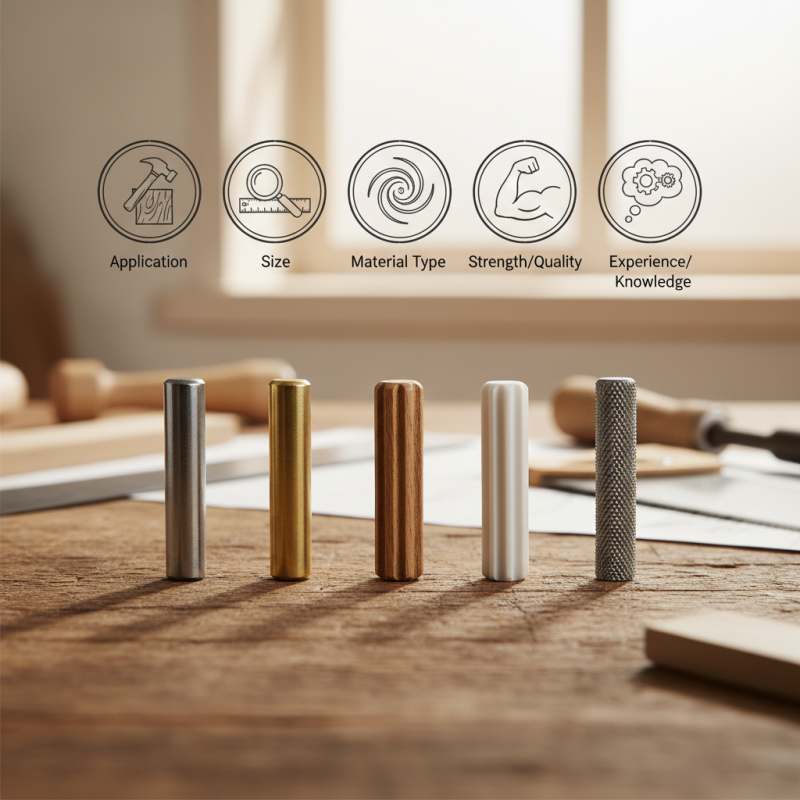
It's essential to understand the various aspects that influence your choice. Material type, size, and application are all significant factors. A focus on quality can prevent failures in your projects. However, options may confuse, and incorrect choices can lead to frustrating outcomes. Through careful consideration and knowledge, you can avoid common pitfalls.
Experience and expertise are vital in selecting the right pin. A poorly chosen Double-Ended Dowel Pin may lead to weak joints or misaligned parts. Reflecting on past mistakes can deepen your understanding and guide you toward better decisions. Let's explore five essential tips that will simplify the selection process and enhance your project outcomes.
Understanding the Basics of Double-Ended Dowel Pins
Double-ended dowel pins are essential components in many mechanical assemblies. They help in aligning and joining parts securely. Understanding their basics is crucial for achieving the best results in your projects. The pins have a cylindrical shape, with each end designed for precise insertion. Their dimensions ensure stability in different applications, from furniture assembly to machinery support.
Choosing the right double-ended dowel pin involves several factors. Material type matters significantly. Stainless steel offers durability, while plastic is lighter and often used for less demanding applications. It’s also essential to consider the diameter and length of the pin. Too short or narrow may result in weak connections. Selecting the wrong size could lead to assembly failure.
Installation techniques can affect performance. A good fit is crucial for stability. You may encounter challenges with alignment. Some pins fit tightly, while others may require slight adjustments. Test fits help to avoid future issues. Remember that imperfections can teach valuable lessons, guiding better choices in future projects. Understanding these nuances can enhance the effectiveness of your assembly tasks.
Key Factors to Consider When Selecting Dowel Pins
Choosing the right double-ended dowel pin can make a significant difference in your project’s outcome. One of the key factors to consider is the material. Dowel pins come in various materials like steel, stainless steel, and plastics. Each has its benefits and drawbacks. Steel is strong but may corrode. Plastic is lightweight but less durable. Weighing these options can guide your selection.
Another important factor is the diameter and length of the dowel pin. Ensure these dimensions fit your application. A pin that is too short can lead to instability. Conversely, one that is too long may not fit properly. Testing a few sizes can help you find the perfect fit.
Additionally, consider the intended environment. Will the pin be exposed to moisture or extreme temperatures? These conditions can affect performance. If so, opting for corrosion-resistant coatings can be a smart choice. While it may seem straightforward, even small oversights in selection can lead to frustrating issues down the line. Evaluate your needs thoroughly before making a decision.
Material Choices for Double-Ended Dowel Pins Explained
When considering double-ended dowel pins, material choice is critical. Common materials include steel, stainless steel, and plastic. Each option presents unique benefits and drawbacks. For example, steel pins offer high strength, making them ideal for heavy-duty applications. However, they are susceptible to corrosion without proper treatment.
Stainless steel provides excellent resistance to rust and corrosion. This makes it suitable for applications in humid or wet environments. However, it's often more expensive than traditional steel. Plastic dowel pins are lightweight and resistant to moisture, but they may lack the necessary strength for high-stress applications. According to a 2022 market report, about 35% of manufacturers prefer steel dowel pins for their durability.
Choosing the right material impacts the pin's longevity and performance. A fitting example is choosing stainless steel for outdoor applications. In contrast, plastic may suffice for low-stress indoor uses. But one must consider temperature fluctuations and load conditions. The wrong choice could lead to failure, leading to costly downtime. Therefore, understanding these material properties is essential for optimal performance in manufacturing processes.
Common Applications of Double-Ended Dowel Pins
Double-ended dowel pins serve crucial roles in various applications across different industries. Used in machinery, furniture, and cabinetry, these pins aid in aligning and securing components. Their symmetrical design allows for consistent positioning, making them a common choice in assembly processes. Woodworking projects often benefit from these pins. They create strong joints that withstand stress.
In automotive manufacturing, double-ended dowel pins are often used for precise alignment of engine parts. An accurate fit is vital for performance and durability. In this context, the quality of the pin can impact the overall reliability of the machine. Many engineers prefer specific materials to ensure strength and corrosion resistance.
Despite the benefits, one should be cautious. Choosing the wrong size or material can lead to failures. Even slight misalignments can cause significant issues over time. Always consider the application and environment when selecting dowel pins. Each project has unique needs that may require different specifications.
Tips for Ensuring Proper Fit and Alignment
When selecting double-ended dowel pins, ensuring proper fit and alignment is crucial. An accurate fit minimizes movement and maximizes stability. Begin by measuring the hole diameters carefully. Use calipers or a micrometer for precision. Small discrepancies can lead to misalignment in assembly.
Consider the material of the dowel pin. Some materials expand or contract with temperature changes. This behavior affects alignment over time. Verify the environmental conditions where the dowel pins will be used. Match the pin material to the application’s needs.
Another point to keep in mind is the pin length. A pin that is too long may not fit correctly. Conversely, a pin that is too short can fail to hold components securely. Always account for the thickness of the parts being joined. It might seem simple, but miscalculations can lead to significant issues later. Rethink your measurements to avoid these common mistakes.



 Find Your Solutions ▶