7 Tips for Choosing 51.2V 160Ah LFP Batteries
Choosing a battery is not just a matter of comparing capacity numbers. A 51.2-volt, 160-amp-hour lithium iron phosphate battery can store substantial energy, but its real value depends on how well it fits your system. Think about the equipment it will power, the space available, and how often you expect to recharge it. A battery that looks ideal on paper may not suit your daily routine.
This guide offers seven practical tips for evaluating 51.2 V 160ah Lfp Batteries. It covers useful checks such as usable capacity, battery management system features, inverter compatibility, charging limits, installation conditions, warranty terms, and manufacturer support. Small details matter. For example, confirming communication protocols before purchase can prevent frustrating setup problems later. Comparing continuous and peak current ratings can also reveal whether a battery suits demanding loads.
Specifications help, but they do not tell the whole story. Ask how performance changes with temperature, what maintenance the manufacturer recommends, and which conditions may affect warranty coverage. Claims should be checked against product documentation, not assumed to apply to every installation. Even careful research has limits; individual systems differ, and I may overlook a detail that matters to your setup. Use these tips as a starting point, then verify the figures with the supplier and a qualified installer before committing.
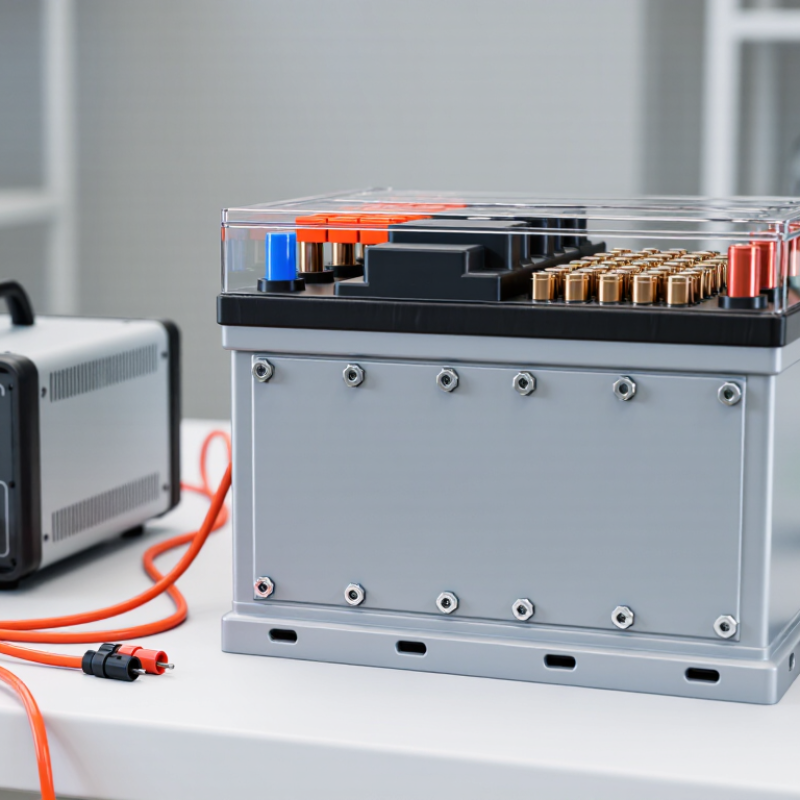
Understanding the 51.2V 160Ah LFP Battery’s Core Specifications
A 51.2V 160Ah LFP battery has a nominal energy rating of about 8.19kWh: voltage multiplied by amp-hours. The 51.2V figure commonly reflects sixteen lithium iron phosphate cells connected in series, each with a nominal voltage near 3.2V. It is not a promise that the battery will deliver exactly 8.19kWh to every appliance. Usable energy depends on the battery’s operating limits, inverter efficiency, and reserve settings. Check the manufacturer’s stated usable capacity.
The 160Ah rating describes charge capacity, not how long a system will run by itself. A 1,000W load might draw around 20A at nominal voltage, before inverter losses; actual current changes as voltage and load change. That matters. Compare the battery’s continuous discharge rating with the inverter’s demand, and check its short-term peak rating for startup surges from pumps or compressors. A large capacity can still be a poor fit if the battery management system limits current.
Look beyond the headline numbers. Confirm the specified charge-voltage range, recommended charging current, operating temperatures, dimensions, and weight. Cycle-life figures need context: depth of discharge, temperature, and the test’s end-of-life capacity threshold all affect the result. Specs can be oddly vague. If a data sheet does not clearly define “usable energy” or peak current duration, ask for clarification before planning the system around it.
Checking System Compatibility and Power Requirements
A 51.2V, 160Ah battery stores about 8.19 kWh nominally. That figure is not the energy every appliance receives. For a rough estimate, assume 90% usable capacity and 92% inverter efficiency: about 6.8 kWh reaches AC loads. A steady 1 kW load would run for roughly 6.8 hours, before accounting for temperature, aging, or changing loads. Measure actual loads.
Check that the inverter supports the battery’s voltage range, charging profile, and communication method. A 5 kW AC load needs about 106 A from a 51.2V battery at 92% efficiency. Confirm the battery management system’s continuous and peak current ratings, especially if pumps or refrigerators may start together. EIA’s 2022 Electric Sales, Revenue, and Average Price data indicate U.S. residential consumption near 10,800 kWh per customer annually, or about 29.6 kWh daily. One battery of this size is therefore better assessed against selected circuits than assumed to cover a whole home. Averages are not design rules. Log nighttime use, motor starts, and solar gaps; a tidy spreadsheet can still miss a brief surge. Then check again.
Evaluating Cell Quality, Battery Management, and Safety Features
A 51.2V 160Ah LFP battery is only as dependable as the cells inside it. Ask for capacity test results and check that measurements state the test temperature and discharge conditions. Cell consistency matters: large differences in voltage or internal resistance can affect usable capacity and aging. A neat specification sheet helps, but it does not replace traceable test records. Small details matter.
The battery management system should monitor cell voltage, pack current, and temperature. Look for protection against overcharge, excessive discharge, overcurrent, and temperatures outside the manufacturer’s limits. Ask whether the system balances cells and records fault events; these features can make troubleshooting less guesswork. Confirm that its communication settings match the inverter or charger. Compatibility is easy to overlook.
Safety features deserve a close inspection. Check for clearly identified terminals, an appropriate fuse or breaker, and temperature sensors placed where they can detect heat. Review the enclosure, connection instructions, and safety documentation for the exact battery model, not just a similar product. I would not treat a long warranty as proof of safe design. It is not enough. Even good protection cannot correct poor installation, so follow the specified cable sizes, torque values, and operating limits. I might still miss a detail on paper; asking the supplier to explain test conditions can reveal gaps.
7 Tips for Choosing 51.2V 160Ah LFP Batteries
Compare theoretical usable energy at different depth-of-discharge (DoD) levels. The calculations use nominal energy of 8.192 kWh (51.2 V × 160 Ah); actual usable energy depends on the battery, operating conditions, and conversion losses.
When evaluating a battery, verify cell quality and capacity test results, confirm the cell configuration and specifications, and review the BMS protections, temperature limits, certifications, and safety documentation. Treat 100% DoD as a theoretical calculation, not a recommended operating target.
Comparing Cycle Life, Warranty, and Manufacturer Support
For a 51.2V 160Ah LFP battery, nominal energy is about 8.2 kWh; usable energy depends on operating limits. Compare cycle-life claims only under matching conditions. Ask about depth of discharge, charge and discharge rates, temperature, and the capacity threshold used to define end of life. A cycle figure without these details is hard to compare. Check whether testing reflects your expected daily use, not just an ideal laboratory setup.
Read the warranty terms beyond the headline duration. Confirm whether coverage is limited by years, cycle count, or total energy throughput, and note any prorated compensation. Check the minimum capacity guaranteed at the end of coverage, plus installation and charging requirements. Small print matters. A long warranty may offer less protection than expected if ordinary operating conditions void it. I would not choose on warranty length alone.
Manufacturer support matters when a battery stops communicating or reports a fault. Ask how quickly technical questions are answered, what diagnostic records are needed, and how replacement parts are handled. Confirm compatibility documentation for your inverter and battery-management system, including supported communication protocols. A useful test is to send a specific pre-sale question and assess the clarity of the reply. One detail is easy to overlook: keep the response and product documents for future service.
Reviewing Certifications, Installation Needs, and Total Cost
For a 51.2V, 160Ah LFP battery, nominal energy is about 8.19kWh. Certification should match the complete system, not just the battery cells. UL 1973 covers stationary battery systems, while UL 9540 evaluates energy-storage systems; IEC 62619 addresses industrial lithium batteries. Requirements vary by location and application, so ask for certificates and test reports for the exact model. Paperwork matters.
Installation details affect safety and usable capacity. Check inverter compatibility, continuous current limits, communication protocols, and the battery’s permitted temperature range. At 5kW, a 51.2V battery supplies roughly 98A before conversion losses. That makes cable sizing, overcurrent protection, and terminal torque important. A cramped utility closet can also restrict airflow or access. Confirm clearances in the manufacturer’s installation manual and local requirements before mounting.
Compare total installed cost, not the battery’s advertised price. BloombergNEF reported an average lithium-ion battery-pack price of $139 per kWh in 2023, but that global benchmark is not a quote for a home LFP system. It excludes items such as an inverter, wiring, labor, and site work. Request an itemized estimate covering commissioning, warranty terms, and any required electrical upgrades. One detail is easy to miss: a low upfront quote may leave installation costs unclear.



 Find Your Solutions ▶