What is Stainless Steel Keel and Its Applications?
stainless steel keel plays a vital role in modern construction and marine industries. This essential component provides structural support and stability in various applications. Often overlooked, the stainless steel keel's strength and durability are vital for the integrity of boats, ships, and even architectural projects.
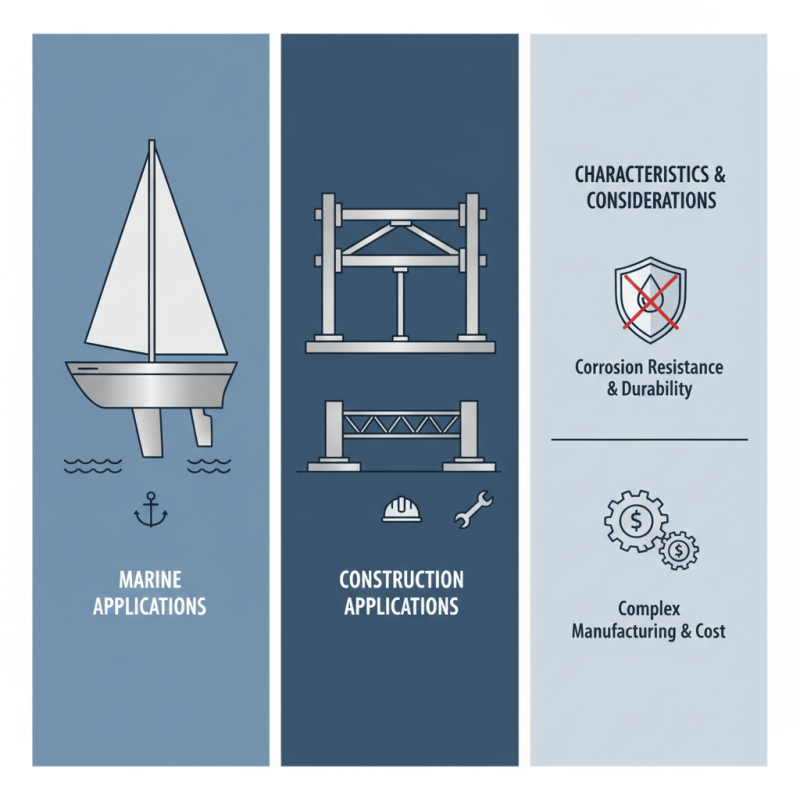
In the marine sector, the stainless steel keel is crucial for maintaining the balance of vessels. Its resistance to corrosion ensures longevity, especially in harsh environments. This durability is a significant advantage for boat builders and engineers. In construction, stainless steel keel can offer robust solutions for frameworks and supports, contributing to overall safety and reliability.
However, stainless steel keel is not without challenges. The manufacturing process can be complex and costly, thus requiring careful consideration. Understanding its properties and applications can lead to better decision-making in various projects. It is crucial to reflect on these aspects while recognizing the value stainless steel keels bring to the table.
What is Stainless Steel Keel?
Stainless steel keel refers to a structural component made from stainless steel, commonly used in various construction and manufacturing projects. Its unique properties, such as corrosion resistance, durability, and strength, make it an ideal choice for marine and industrial applications. These characteristics are important because they help maintain the integrity of structures over time, especially in challenging environments.
The design of stainless steel keels adds a layer of versatility. They can be found in boats, providing stability and flotation, or in buildings, enhancing their structural frame. However, some challenges exist. The welding process can be tricky, leading to potential weak points if not done correctly. It's essential to ensure proper techniques are applied during installation to avoid future issues.
In addition, while stainless steel is resistant to rust, it's not invulnerable. Exposure to harsh chemicals can still affect its surface. This can lead to aesthetic concerns, even if the structural integrity remains intact. Therefore, regular maintenance and inspection are crucial. Understanding these nuances can help builders and engineers make informed decisions, ensuring the longevity of their projects.
Properties of Stainless Steel Used in Keels
Stainless steel is a popular choice for keels due to its unique properties. First and foremost, it is highly resistant to corrosion. This resistance is crucial in marine environments where saltwater can cause damage. Stainless steel can endure harsh conditions, making it reliable for long-term use. Additionally, it offers excellent strength. It can withstand the stresses of the sea, ensuring the stability of vessels.
Another key property is its low maintenance requirement. Unlike other materials, stainless steel does not require frequent painting or protective coatings. This aspect reduces overall maintenance costs. Furthermore, stainless steel is also aesthetically pleasing. Its shiny surface can enhance the appearance of a boat. However, it is important to note that poor fabrication can lead to issues. If not properly welded or finished, stainless steel can suffer from surface flaws.
Moreover, stainless steel allows for design flexibility. It can be shaped into various forms, accommodating different hull designs. This flexibility can lead to innovation in keel design. Despite its benefits, there are challenges. High-quality stainless steel can be expensive. Budget constraints can limit its use. So, while it presents many advantages, careful consideration is necessary.
Common Applications of Stainless Steel Keels
Stainless steel keels are a backbone in various industries. They combine strength and resistance to corrosion. This makes them essential in marine applications. Many boats and yachts incorporate stainless steel keels for stability and durability. A report by the International Maritime Organization mentions that nearly 30% of new vessels use stainless steel components.
Another common application is in construction. Stainless steel keels provide structural support in buildings. They help enhance the lifespan of structures. According to a study from the American Institute of Steel Construction, stainless steel can last over 100 years without severe damage, especially in harsh environments.
**Tip:** Consider the environment where the keel will be used. Harsh conditions can lead to unexpected wear.
In addition, stainless steel keels are used in automotive components. They offer advantages in weight reduction without sacrificing performance. However, the cost can be a concern for some manufacturers. Companies must weigh the benefits against their budget.
**Tip:** Regular inspections can identify wear and corrosion early. This helps maintain performance and extend lifespan.
What is Stainless Steel Keel and Its Applications? - Common Applications of Stainless Steel Keels
| Application Area | Description | Common Specifications | Material Grades |
| Marine Industry | Used for hull structures and reinforcing components. | Thickness: 3mm - 10mm | 304, 316 |
| Construction | Frame and structural support in buildings. | Width: 100mm - 300mm | 430, 441 |
| Transportation | Components for vehicles, especially in railways. | Length: Up to 6m | 304L, 316L |
| Aerospace | Structural elements in aircraft design. | Custom dimensions based on design specs | 17-4 PH, 15-5 PH |
| Food Processing | Used in conveyor systems and tanks. | Diameter: 20mm - 500mm | 304, 316 |
Advantages of Using Stainless Steel Keels
Stainless steel keels offer significant advantages in marine applications. These components provide essential structural support for boats and yachts. They contribute to stability and enhance the overall performance of watercraft. According to industry reports, stainless steel makes up about 65% of all keel materials used today. This is due to its superior strength-to-weight ratio and resistance to corrosion.
The corrosion resistance of stainless steel is crucial for ocean vessels. Marine environments can be harsh, with saltwater causing rapid deterioration. A study by the Marine Industry Association highlighted that vessels with stainless steel keels last 30% longer than those made from traditional materials. This longevity translates into reduced maintenance costs and improved safety.
Using stainless steel keels can seem expensive upfront. However, the long-term savings justify the investment. It’s essential to consider factors like weight distribution and structural integrity during design. While stainless steel is an excellent choice, it’s not perfect. Challenges exist in fabrication and welding processes, which require skilled labor. Overlooking these aspects can lead to potential failures.
Installation and Maintenance of Stainless Steel Keels
Installation of stainless steel keels is a critical process. Proper alignment ensures stability. This should be done in a dry environment. Use a level to check horizontal positioning. Ensure all screws are adequately tightened but not over-tightened. The keels' weight might require additional support during installation. It’s essential to have an extra set of hands for this task.
After installation, regular maintenance is necessary. Inspect the keels for signs of corrosion or wear. Stainless steel is resistant but not invulnerable. Rinse them with fresh water regularly, especially in saltwater environments. This simple action can extend their lifespan. Check for any loose connections and retighten if necessary. Observing these details can prevent bigger problems later on.
Stainless Steel Keel Usage in Various Industries



 Find Your Solutions ▶