
What is an Injection Molding Machine With Robot Used For?
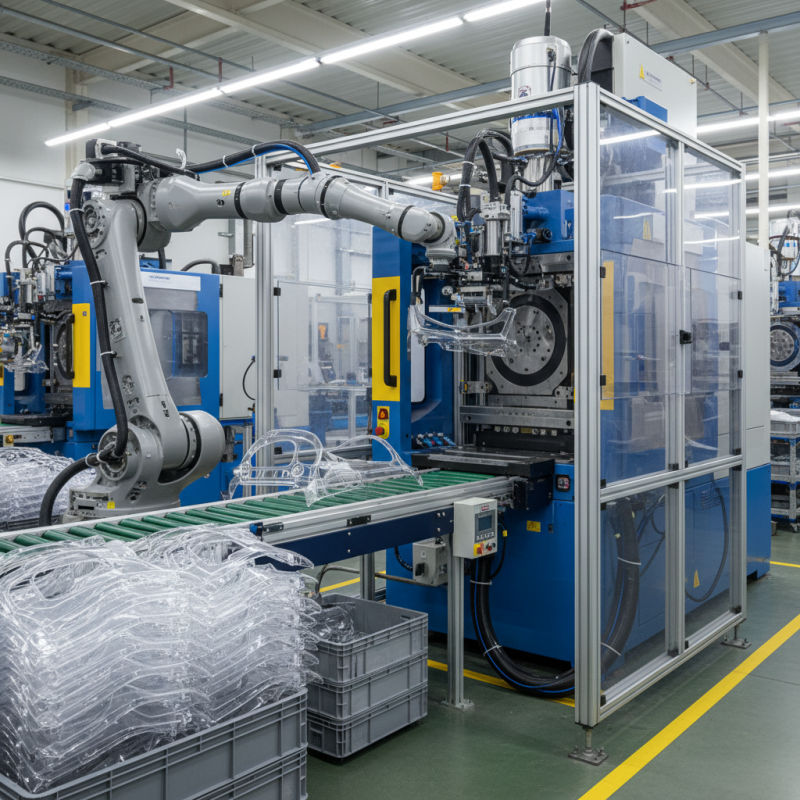
The “Injection Molding Machine With Robot” is a revolutionary tool in the manufacturing industry. This machine automates the molding process, enhancing efficiency and precision. It combines the capabilities of injecting molten material with robotic arms for handling, placing, and removing parts.
Using an injection molding machine with a robot offers many advantages. For instance, it significantly reduces labor costs. Training for operators can be time-consuming and expensive. Moreover, these machines minimize human error, ensuring consistent quality. Yet, they require initial investment and maintenance. That’s where businesses must reflect on their budget and long-term plans.
These machines are commonly used for creating plastic parts in various industries. The automotive sector benefits from precision molded components. In electronics, high-quality casing is crucial. However, some companies struggle to fully integrate robotics. The technology can be complex and may not always lead to immediate results. Finding the right balance in automation is key to success.
What is an Injection Molding Machine?
An injection molding machine is a key player in manufacturing. It produces parts by injecting molten material into a mold. This process is used for both thermoplastics and thermosetting polymers. The machine heats the material until it melts, injects it into a mold, and cools it down to solidify. This method allows for high precision and consistency in production.
According to a report by Grand View Research, the injection molding market is projected to reach $303.45 billion by 2025. The growth is driven by the demand for lightweight materials in automotive and consumer goods. Efficient designs reduce waste and improve production speeds. Incorporating robots enhances accuracy and decreases cycle time.
Tips: Always consider material compatibility. Different resins might behave unexpectedly during molding. Ensure proper cooling is implemented to avoid warping. Regular maintenance of the machine is vital to prevent unexpected downtimes. Overall, while injection molding offers many advantages, detail-oriented production planning is essential for optimal performance.

Components of an Injection Molding Machine
An injection molding machine is essential in manufacturing. It combines different components to create precise plastic parts. The machine mainly consists of a hopper, a screw, a barrel, and a mold. Each of these plays a crucial role in the molding process. The hopper feeds plastic pellets into the barrel. The pellets move toward the screw, where they are melted by heat and pressure.
The mold is where the magic happens. It shapes the molten plastic into desired forms. The quality of the mold directly impacts the final product. Robots often assist in this process. They help load materials and remove finished items efficiently. However, sometimes, the robot may misplace items or not pick them up correctly.
Automation improves speed, but it isn't perfect. There can be programming errors, leading to production issues. Also, while machines are efficient, they lack human intuition. Sometimes, human oversight is necessary to ensure everything runs smoothly. Regular checks are crucial to avoid significant downtime.
Role of Robots in Injection Molding Processes
Robots play a crucial role in injection molding processes. They automate tasks that are often repetitive and time-consuming. For example, robots can swiftly remove molded parts from the machine. This reduces human labor and increases efficiency. Automation minimizes the risk of injury and ensures consistent quality.
These robotic systems are versatile. They can perform various functions, such as placing inserts or packaging products. With precision, they handle delicate components. However, integrating robots with existing machinery can be challenging. It requires careful planning and adjustment. Manufacturers often face a learning curve when adopting these technologies. The balance between technology and human skills is essential.
Maintenance is another aspect to consider. Robots need regular checks to function optimally. Any malfunction can disrupt the production line. Some organizations struggle with this ongoing requirement. Investing in training staff on robotic systems is vital. Nevertheless, the potential benefits are significant. Increased productivity, lower error rates, and improved safety are just a few advantages.
Applications of Injection Molding Machines with Robots
Injection molding machines equipped with robots are transforming various industries. These machines create precise plastic parts for many applications. From consumer goods to automotive components, the range is vast. The integration of robotics enhances efficiency and quality. Robots can efficiently handle, sort, and package products. They quickly move parts through the production process. This reduces human error and saves time.
In the automotive sector, injection molded parts are crucial. They can produce components like dashboards and trim. Robots assist in loading and unloading these items. This not only speeds up production but also ensures consistency. In the medical field, precision is paramount. Robots help in manufacturing intricate medical devices and containers. Each step requires accuracy, which robots deliver effectively. However, integrating this technology isn’t perfect.
Some challenges remain with these machines. Equipment may malfunction or require adjustments. Operators need training to maximize efficiency. Sometimes, the robot's speed can lead to mistakes. Periodic maintenance is vital to prevent breakdowns. Yet, these minor issues do not overshadow the significant advantages. Enhanced production capabilities and quality are hard to ignore. The future of manufacturing is increasingly robotic, and companies are adapting to stay competitive.
Benefits of Integrating Robots in Injection Molding Operations
Integrating robots into injection molding operations has shown impressive results. According to industry reports, automation can boost production rates by up to 30%. This increase directly correlates with reduced labor costs and enhanced efficiency. Robots can perform repetitive tasks consistently, minimizing human error. They also maintain high levels of precision, which is critical in producing complex components.
Another benefit is improved workplace safety. Injection molding facilities can be hazardous, with heavy machinery and toxic materials involved. Utilizing robots protects human workers from these dangers. However, the transition to automation requires careful planning. Some manufacturers struggle to adapt to these technologies due to initial costs and the need for skilled labor.
Efficiency gains are substantial but not without challenges. An operator must oversee robotic systems, preventing potential downtime. In some situations, robots may not work well with every mold design. Fine-tuning is essential to achieve the desired results. Despite these concerns, the advantages of integrating robots in injection molding outweigh the drawbacks, making it a valuable investment for the future.
Article Source:
NORTH EASTON MACHINE • 218 Elm Street • North Easton, MA 02356 • 508-238-6219