Top Industrial PC Trends for 2026 What Buyers Need to Know
As we look toward 2026, the landscape of Industrial PC technology is evolving rapidly. Buyers must stay informed about emerging trends and innovations. Industrial PCs serve various crucial functions across sectors. From manufacturing to logistics, their reliability and performance remain paramount.
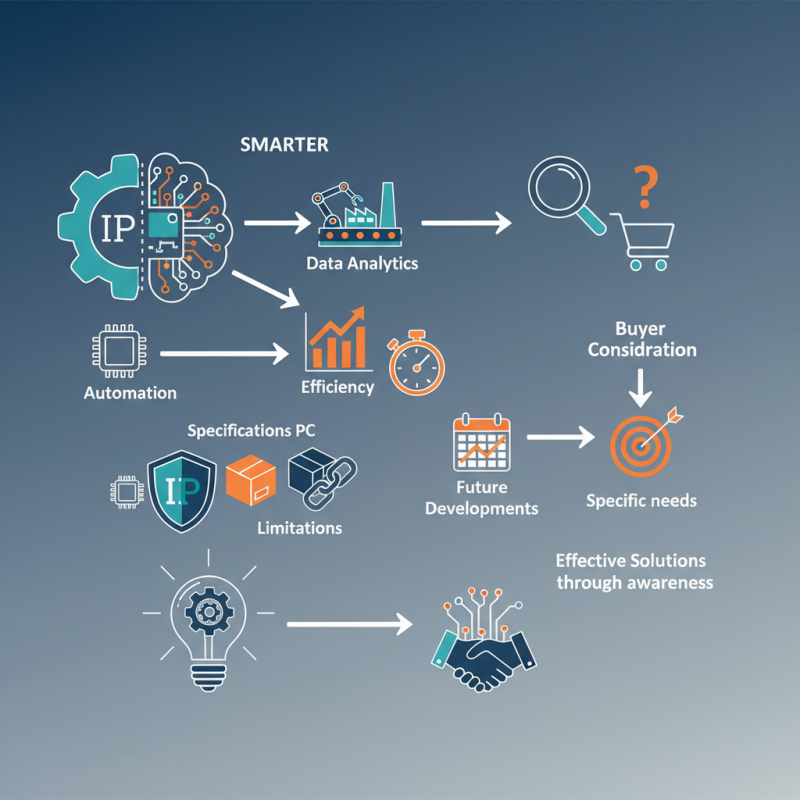
The demand for smarter Industrial PCs is on the rise. Many industries are integrating Artificial Intelligence for better data analytics. This shift allows for improved automation and efficiency. However, not all Industrial PCs are created equal. Buyers need to understand specifications, durability, and potential limitations.
Investing in Industrial PCs requires careful consideration. Companies must assess their specific needs and the future developments of the technology. Understanding what to prioritize can lead to better decision-making. As manufacturers innovate, discerning trends will aid in selecting a suitable Industrial PC. Buyers face challenges, yet awareness can pave the way for effective solutions.
Key Drivers Influencing Industrial PC Trends in 2026
As we look towards 2026, several key drivers are shaping the trends in industrial PCs. One major influence is the rise of Industry 4.0. Factories are increasingly adopting smart technologies. This shift requires PCs that can handle big data and real-time processing. Flexibility in software and hardware is crucial. Industrial PCs must support various applications and integrate with existing systems seamlessly.
Another important factor is the demand for enhanced durability and reliability. Industrial environments can be harsh. PCs need to withstand extreme temperatures, vibrations, and dust. This makes the choice of materials and design paramount. Companies may reconsider their purchasing strategies to prioritize robustness and ensure a longer lifespan for their equipment. Additionally, energy efficiency is becoming a significant consideration. Buyers want systems that reduce operational costs while being eco-friendly.
The growing emphasis on cybersecurity cannot be overlooked. As industrial operations become more interconnected, vulnerabilities increase. Companies must proactively address potential risks. This shift demands industrial PCs equipped with advanced security features. The landscape is evolving rapidly, and organizations need to adapt to remain competitive. However, there are challenges to overcome. Companies may struggle to find the right balance between cutting-edge technology and budget constraints. These factors will certainly influence buyer decisions in the coming years.
Emerging Technologies Shaping the Future of Industrial PCs
As industrial PCs continue to evolve, emerging technologies play a pivotal role in shaping their future. Industry reports indicate that the global industrial PC market is expected to reach $8 billion by 2026, driven by advancements in automation and smart manufacturing. The push toward Industry 4.0 is compelling manufacturers to adopt more sophisticated computing solutions. In this context, visual data analytics and artificial intelligence are becoming crucial. A recent survey revealed that 65% of manufacturers are investing in AI to enhance operational efficiency.
Cybersecurity remains a significant concern. With the rise of connected devices, vulnerabilities increase. According to a recent study, nearly 60% of industrial companies experienced at least one cyber incident last year. This highlights the need for robust security measures in industrial PCs. Businesses must prioritize securing their systems while reaping the benefits of connected technologies.
Edge computing is another transformative trend. It allows data processing closer to the source, minimizing latency. According to a Gartner report, by 2026, over 75% of enterprise data will be processed at the edge. This shift offers better real-time analytics but also brings challenges. Companies must ensure they have the right infrastructure to support this transition. Adapting to these trends requires careful planning and expertise.
Market Growth Projections: Industrial PCs Expected to Reach $XX Billion by 2026
The industrial PC market is witnessing significant growth, projected to reach $XX billion by 2026. This growth is driven by increasing automation and digital transformation across various sectors. According to recent studies, investments in smart manufacturing technologies will fuel a surge in demand for reliable and robust industrial PCs. Industries are prioritizing systems that offer enhanced performance and energy efficiency.
Manufacturers are adapting to changing needs. They are incorporating advanced features like IoT connectivity and edge computing capabilities. This shift allows for real-time data processing and improved operational efficiency. It’s essential for buyers to evaluate specifications that align with their specific operational demands. Attention to durability and longevity is crucial since industrial environments can be harsh.
Tips: Look for features that enhance data security. Ensure compatibility with existing systems. Invest in machines that offer scalable solutions for future growth. It’s also important to analyze support services and warranty options, as these can impact long-term performance and reliability. As the market evolves, keeping abreast of emerging trends will help businesses make informed purchasing decisions.
Top Industrial PC Trends for 2026
| Trend | Description | Projected Market Growth (2026) | Key Drivers |
| AI Integration | Incorporation of artificial intelligence features for enhanced automation and efficiency. | $7 Billion | Demand for smart manufacturing and real-time data analytics. |
| Edge Computing | Rise in edge computing applications to process data closer to the source. | $5 Billion | Increased need for reduced latency and optimized bandwidth use. |
| IoT Adoption | Growing integration of IoT devices to streamline operations. | $10 Billion | Expansion of smart factories and connected devices. |
| Sustainability Initiatives | Focus on energy-efficient and environmentally friendly systems. | $3 Billion | Regulatory pressures and consumer demand for sustainable practices. |
| Enhanced Security Features | Development of integrated security measures to protect sensitive data. | $4 Billion | Increasing cyber threats and the need for data protection. |
The Rise of AI and IoT Integration in Industrial PC Systems
The integration of artificial intelligence (AI) and the Internet of Things (IoT) in industrial PC systems is transforming the landscape. According to a recent report by IDC, the global IoT market is projected to reach $1.1 trillion by 2026. AI, in particular, drives enhanced data processing capabilities. These advancements enable real-time analytics, and predictive maintenance, and reduce operational costs.
Buyers must understand the importance of selecting industrial PCs equipped for this integration. Systems that support AI can analyze vast amounts of data quickly. This minimizes downtime and optimizes worker productivity. Moreover, IoT connectivity fosters seamless communication between devices. A 2023 Gartner study highlights that 75% of organizations are prioritizing IoT deployment to remain competitive.
However, the journey comes with challenges. Not all industrial PCs are built for AI and IoT efficiency. Integrating these technologies requires compatibility and scalability. A survey by Statista revealed that 45% of businesses reported difficulties during implementation. Buyers should thoroughly assess their needs and choose systems that align with future technological trends.
Sustainability and Energy Efficiency: The New Standards in Industrial PCs
In 2026, sustainability and energy efficiency are poised to become essential standards for industrial PCs. Buyers increasingly prioritize these factors when making purchasing decisions. With growing environmental concerns, manufacturers are compelled to innovate. Energy-efficient designs are more than just trends; they reflect a deeper commitment to the planet.
Today’s industrial PCs are being designed with recyclable materials and energy-saving technologies. The integration of these elements is vital. More companies seek to reduce their carbon footprints. Yet, not all products meet the desired efficiency benchmarks. It's crucial for buyers to research thoroughly and ensure their choices align with sustainability goals.
Adopting energy-efficient industrial PCs can result in significant cost savings. However, this transition requires careful assessment. Buyers must balance upfront investment and long-term benefits. Some products may not deliver the promised efficiency. Understanding the nuances is key. Small decisions can lead to substantial impacts on overall energy consumption. More awareness will encourage responsible manufacturing practices in the future.



 Find Your Solutions ▶