
How to Choose Water Radiators in 2026?

Choosing Water Radiators in 2026 is not just a matter of matching a finish to your room. The right unit must deliver enough heat, fit the available wall space, and work with your heating system. A radiator that looks generous in a product photo may still struggle in a draughty corner room. Details matter.

This guide explains what to check before comparing models, including room heat loss, radiator output, dimensions, materials, and control options. It also considers how lower water temperatures can affect radiator size and performance. Check the manufacturer’s output figures at the temperatures your system actually uses; ratings based on different conditions can be misleading. A quick calculation is useful, but it is not a substitute for a proper room-by-room heat assessment in an older or altered home.

Compatibility deserves close attention. Pipe positions, valve connections, wall strength, and the condition of existing pipework can all change what is practical. So can future plans, such as adding insulation or replacing a boiler with a heat pump. A catalogue comparison can miss these details. I would not assume that the largest radiator is automatically the best choice; excessive output may cost more without solving uneven heating elsewhere. For unusual layouts or system changes, ask a qualified heating professional to check the design. The aim is a radiator that heats steadily, fits neatly, and makes sense for the way the home is used. Some choices will involve compromise. That is worth acknowledging.
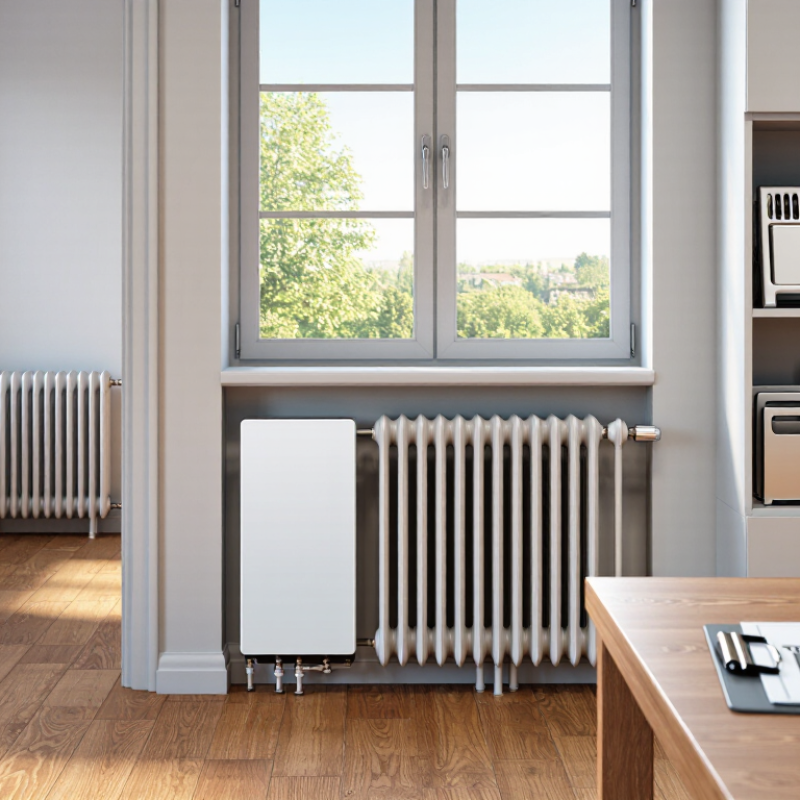
How to Choose Water Radiators in 2026?

Define Your Heating Needs and Room Requirements

Start with how the room feels on the coldest days, not just its floor area. Measure the room’s length, width, and ceiling height, then note window sizes, exterior walls, and insulation. A draughty room with a large north-facing window may need more heat than a smaller, well-insulated space. Corners reveal drafts. A basic heat-loss assessment can help estimate the required output; floor area alone is a rough guide, not a reliable sizing method. Think about daily use, too. A bedroom used mainly at night has different heating needs from a living room occupied all day.

Check how the radiator will connect to your heating system and the water temperature it uses. A radiator’s stated output depends on operating conditions, so compare figures at temperatures close to your system’s actual settings. This matters especially with lower-temperature systems. Consider available wall space, furniture, curtains, and whether the unit can sit beneath a window without being blocked. In bathrooms, towel rails may add comfort but may not heat the whole room adequately. It is easy to overlook a cold hallway or a frequently opened door; estimates can miss these details. Record them before choosing a size.

Check System Compatibility and Water Temperature

When choosing a water radiator, check the heating system before comparing its appearance or size. Note the boiler or heat pump type, pipe connections, and normal flow temperature. Then compare the radiator’s rated output with each room’s heat loss. A unit that fits the wall may still leave a cold corner.

Temperature matters. Many radiator outputs are published using standard test conditions, so output falls when the system runs cooler. This is especially important with heat pumps.

The International Energy Agency’s 2022 report, The Future of Heat Pumps, says heat pumps can be three to five times as energy-efficient as fossil-fuel boilers. But that advantage depends partly on a suitable system design.

Ask an installer to calculate room-by-room heat loss and check output at your actual flow and return temperatures, not just the catalogue rating.

Check the details. Existing pipe spacing, valve position, and wall clearance can affect installation. A small radiator may need a higher flow temperature to warm the room, which can undermine low-temperature operation.

I would not assume an old radiator is unsuitable, either; some are oversized and may work well. Measure, calculate, and verify.

Compare Radiator Types, Materials, and Heat Output

How to Choose Water Radiators in 2026?

Compare Radiator Types, Materials, and Heat Output

Water radiators vary in shape, response time, and space needs. Flat-panel models suit many rooms and warm up relatively quickly. Column radiators offer a deeper profile and can complement older interiors, but may take longer to heat. Towel radiators are useful in bathrooms, though they may not provide enough heat as the room’s only source. Room layout matters. Measure the available wall space, including clearance for valves and curtains, before choosing a size.

Material affects weight, heat retention, and installation. Steel is common and responds fairly quickly to thermostat changes. Aluminum is lightweight and can heat rapidly, but its performance depends on the system design. Cast iron holds warmth longer, yet is heavy and slower to respond. Compare each radiator’s rated heat output with the room’s heat loss, not just its floor area. Window size, insulation, ceiling height, and outside walls all matter. Numbers can mislead if they assume different water temperatures; check the rating conditions and ask a qualified heating professional to verify sizing.

Tips: Note the room dimensions and insulation before shopping. Match output ratings to your heating system’s flow temperature. Leave space for airflow, and check that wall fixings can support the radiator’s weight. A quick online estimate can help, but it may miss a draughty corner.

Assess Energy Efficiency, Controls, and Installation Needs

Choosing a water radiator in 2026 starts with the room, not the product. Estimate heat demand using room size, insulation, window area, and ceiling height. A radiator that is too small may leave a room chilly; an oversized unit can cost more without fixing poor heat distribution. Ask an installer to check the calculation, especially in older homes. Catalogue figures are useful, but they are not a promise. Actual performance depends on water temperature and the rest of the heating system.

Check energy efficiency alongside controls. A radiator’s output rating matters, but so does the temperature your boiler or heat pump needs to supply. Larger radiators can sometimes provide adequate warmth at lower water temperatures. Thermostatic radiator valves help adjust individual rooms, while a compatible room thermostat can prevent unnecessary heating. Small details matter. Keep curtains and furniture from blocking airflow, and note whether one room heats much faster than another. I would not assume that adding a smart control alone will reduce bills; settings and household routines matter too.

Installation needs deserve an early check. Confirm pipe positions, wall strength, radiator dimensions, and access for future bleeding or servicing. Replacing a unit with a different size may require pipe alterations, and a heavy radiator needs secure fixings. Check for leaks and uneven heating after installation, then have a qualified heating professional assess any pressure or balancing issues. It is easy to focus on appearance and miss the awkward pipework.

How to Choose Water Radiators in 2026

Assess low-temperature heat output, controls, and installation needs.

How to read this: The bars show modeled heat output relative to a 75/65°C flow/return reference, with a 20°C room temperature. They use the common radiator-output relationship Q ∝ ΔT1.3; actual output varies by radiator design and should be checked against its rated specifications. Lower water temperatures can suit heat pumps, but may require larger radiators. Choose thermostatic controls appropriate to each room, and check pipe connections, available wall space, and system balancing before installation.

Select a Model That Fits Your Budget and Maintenance Plans

How to Choose Water Radiators in 2026?

A radiator’s purchase price is only part of its cost. Compare the unit, valves, installation, and likely maintenance over several years. A cheaper model may need more frequent repainting or cleaning, while a higher-priced one may offer easier access to its connections. Check the heat output at the water temperature your system actually uses. A rating based on hotter water can overstate performance. Ask a qualified heating professional to assess room heat loss, especially in older homes. Guessing can leave a bedroom chilly.

Tips: Set a total budget before comparing models. Check whether the radiator needs special valves, regular bleeding, or careful corrosion control. Leave enough space to clean behind and beneath it. Small details matter.

Think about who will maintain the system. A simple panel radiator may suit a household that wants straightforward upkeep; decorative designs can take longer to dust. If you are replacing an existing unit, measure its pipe positions and wall clearance carefully. Mismatched connections can add labor costs. It is tempting to choose the lowest quote, but that choice may not age well. I would compare written estimates and ask what each one excludes. A little doubt here is useful. Don’t buy on price alone.

How to Choose Water Radiators in 2026? - Select a Model That Fits Your Budget and Maintenance Plans
Radiator type Typical product-only price (USD) Indicative heat output per unit Budget fit Maintenance considerations Best suited to Check before buying
Steel panel About $80–$250 Roughly 1.0–2.0 kW for a common medium-size unit Low to mid-range Wipe surfaces and check valves and joints for leaks. Keep the system treated according to the heating-system instructions to help limit internal corrosion. Most homes seeking a widely available, practical option Panel type, dimensions, connection position, pressure rating, and the heat output required for the room
Aluminum sectional About $100–$350 Often around 1.0–2.0 kW, depending on section count and size Mid-range Check section joints and fittings periodically. Confirm that the radiator materials are compatible with the system water and other metals in the heating circuit. Rooms where a lightweight, sectional radiator is useful System-water requirements, connection type, operating pressure, and output at your heating system’s water temperature
Cast-iron sectional About $300–$1,000 or more Varies widely; output depends on section count and dimensions High upfront cost Usually needs little routine attention beyond cleaning and checking connections, but its weight can make handling and replacement more demanding. Renovations or interiors where a traditional appearance and substantial thermal mass are priorities Floor support, delivery access, section condition, total weight, and room-by-room heat-loss requirements
Steel column About $200–$700 Depends on height, number of columns, and overall length Mid to high-range Dust can collect between columns, so allow access for cleaning. Inspect valves and joints as part of normal heating-system checks. Rooms needing a more decorative design than a standard panel radiator Specified output, wall or floor mounting, connection layout, and clearance for cleaning
Hydronic towel radiator About $100–$500 Often about 0.2–0.8 kW, depending on size and design Low to mid-range Keep rails clean and check valves for leaks. A towel radiator may not provide enough heat to serve as the bathroom’s only heat source. Bathrooms where towel warming is a priority Bathroom heat loss, available wall space, pipe connections, and whether supplementary heating is needed
Low-temperature hydronic radiator About $250–$800 Model-specific; output can fall substantially when water temperature is reduced Higher upfront cost Follow the manufacturer’s cleaning and system-maintenance guidance. Some fan-assisted models also need electrical power and periodic fan cleaning. Homes using a heat pump or another lower-temperature heating system Output at the actual design flow and return temperatures, electrical requirements, noise level, and control compatibility
Comparison notes: Prices are indicative 2026 product-only estimates in US dollars; local prices, taxes, shipping, installation, and availability vary. Heat-output figures are broad examples, not guarantees, and depend on radiator dimensions, water temperature, room temperature, and system design. Choose output using a room-by-room heat-loss calculation and the manufacturer’s rating at your system’s operating conditions. Have installation and system compatibility checked by a qualified heating professional.

Certified Quality System

© North Easton Machine Company, Inc. All rights reserved. • Site: Blog
NORTH EASTON MACHINE • 218 Elm Street • North Easton, MA 02356 • 508-238-6219