What is a High Voltage Output Electric Fence and How Does It Work?
The high voltage output electric fence is a powerful tool for securing properties and containing animals. This type of fence delivers a strong electric shock when touched. It is designed to deter intruders and keep livestock safe within designated areas.
high voltage output electric fences consist of multiple components, including a power energizer, wires, and insulators. The energizer generates high voltage pulses that travel along the fence lines. These fences are effective and widely used in agricultural settings. However, they require careful installation and maintenance.
While these fences are effective deterrents, they also raise concerns. Animals might get hurt if the fence is not properly managed. Additionally, there are instances of human injuries. Therefore, understanding how these systems work is crucial for safe usage. Reflecting on their purpose can help improve safety measures.
Definition and Purpose of High Voltage Output Electric Fences
High voltage output electric fences serve a crucial purpose in property security and animal control. These fences deliver a significant electrical shock when touched, deterring unwanted intruders or livestock from crossing boundaries. According to industry data, a well-placed electric fence can reduce trespassing incidents by up to 90%. This is vital for farms, where livestock safety is paramount.
The installation of a high voltage output electric fence should be done with consideration. Adequate training is necessary to ensure safe handling. Users must also regularly inspect the fence to maintain its effectiveness. The shock emitted can be impactful but should not cause harm to animals or people. Properly designed systems can deter large animals, yet unforeseen accidents can occur. For example, untrained individuals may mistakenly approach the fence. This emphasizes the need for clear signage and public awareness.
Moreover, these electric fencing systems are versatile. They can be integrated with other security measures like CCTV or alarm systems. However, reliance solely on electric fencing may lead to complacency. It's essential to frequently evaluate the overall security strategy. Balancing technology with traditional methods is advisable for optimal safety.
Key Components of a High Voltage Electric Fence System
High voltage electric fences are designed to deter intruders and animals. Understanding the key components is crucial. These systems typically consist of a power source, energizer, and fence line.
The power source drives the entire system. It can be a battery or solar panel. Each energizer generates short bursts of high voltage. These bursts travel along the fence line. When animals or intruders make contact, they'll receive a shock. It’s effective but not lethal.
The fence line itself often includes metal wire or conductive tape. Insulators are essential as they keep the wires from touching the ground. Grounding rods are also necessary. They help complete the circuit. Placement of these components is vital for optimal performance. Even small mistakes can reduce the system’s effectiveness. Regular maintenance is recommended to ensure functionality.
How High Voltage Electric Fences Generate and Deliver Electric Shock
High voltage electric fences are designed to provide an effective deterrent for unwanted animals or intruders. These systems typically generate voltages ranging from 2,000 to 10,000 volts. The high voltage creates an electric shock upon contact. The shock is not lethal but is uncomfortable enough to dissuade the target from crossing the boundary. Studies show that effective electric fencing can reduce intrusions by nearly 90%, as reported in various agricultural safety publications.
The electric shock is delivered through a pulsating voltage. This pulse typically lasts for a fraction of a second. The frequency of the pulses can vary based on the fence design. For example, a typical system may deliver pulses every second or half-second. This wave of electrical energy is what causes the shock. It’s crucial to ensure proper grounding and maintenance for optimal performance. If the fence is not grounded correctly, it may not provide effective deterrence.
Tips: Regularly inspect the fence for vegetation or debris that can interfere with the circuit. Ensure all components, including insulators and connectors, are in good condition to maintain the electric shock's effectiveness. Moreover, consider seasonal changes that may affect the system, like heavy rain which can alter the grounding conditions.
What is a High Voltage Output Electric Fence and How Does It Work? - How High Voltage Electric Fences Generate and Deliver Electric Shock
| Feature | Description |
| Voltage Output | Typically ranges from 2,000 to 10,000 volts. |
| Current Type | Pulsed DC current, delivering short bursts of electric shock. |
| Physical Size | Electric fence energizers are typically compact, ranging from suitcase-sized to larger box models. |
| Power Source | Can be powered by batteries, solar panels, or standard electrical outlets. |
| Uses | Commonly used for deterring wildlife, livestock management, and security purposes. |
| Safety Features | Many units include short-circuit protection, grounding features, and output current limitations. |
| Installation Complexity | Installation may require professional help depending on the layout and purpose. |
Safety Measures and Precautions for Using Electric Fences
When using a high voltage output electric fence, safety is paramount. These fences deliver a shock that can deter animals and intruders. However, improper use can lead to accidents. It’s crucial to ensure that all components are correctly installed and maintained. Regular checks can prevent potential hazards.
Tips: Always cover exposed wires. This reduces risks for both humans and animals. Use warning signs in visible areas. This will alert people nearby.
Training is also essential. Educate individuals involved about safe practices. Ensure they know not to touch the fence during storms. Supervise children near the electric fence. Accidents can happen even with precautions in place.
It’s wise to understand local regulations. Sometimes, specific guidelines determine how to set up these fences. If uncertain, consult with local authorities or experts. Always prioritize safety over convenience.
Applications and Benefits of High Voltage Electric Fences in Agriculture
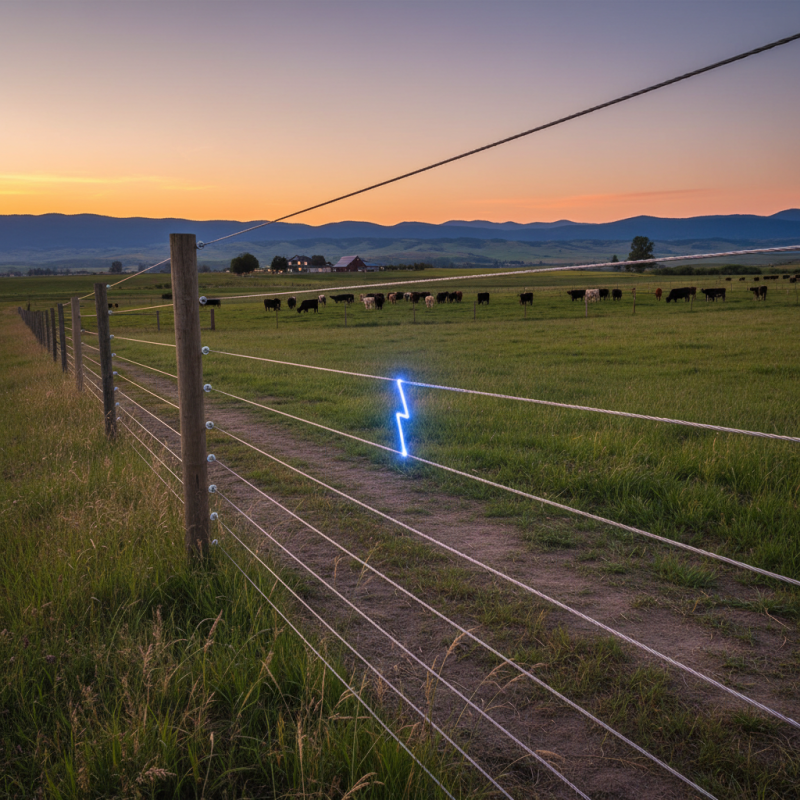
High voltage electric fences provide an effective solution in agriculture. They create a strong barrier against wildlife and livestock. Farmers often use these fences to protect crops. The electricity runs through the wire, delivering a mild shock to any animal that touches it. This method deters animals without causing serious harm.
The benefits extend beyond mere containment. High voltage fences reduce the need for costly physical barriers. They are especially valuable in remote areas. Installation can be quicker than traditional fencing. Maintenance is less demanding once set up correctly. Yet, some farmers may overlook proper installation. It's crucial to understand the system to ensure effectiveness.
Moreover, fluctuations in voltage can be an issue. Regular checks are necessary to avoid problems. Animals can become desensitized if the voltage is inconsistent. This could lead to breaches in containment. Thus, constant monitoring is key. Every fence is a learning experience for the farmer. New challenges arise, requiring adaptation and innovation.
High Voltage Electric Fences: Applications and Benefits



 Find Your Solutions ▶