
High Temperature Servo Motor Buying Guide for Global Buyers?

High Temperature Servo Motors are increasingly vital in various industrial applications. Industries like aerospace, automotive, and manufacturing require equipment that can endure extreme heat. According to a recent market analysis by ResearchAndMarkets, the global servo motor market is projected to reach $15 billion by 2026, driven largely by the demand for reliable high-performance motors.

These motors function efficiently even in harsh conditions. In environments where temperatures exceed standard operational limits, selecting the right high temperature servo motor becomes crucial. A study by Technavio highlights that high-temperature applications often face challenges related to thermal expansion and material fatigue. This can impact productivity, leading to costly downtime.

Choosing the appropriate motor requires expertise. Buyers must consider factors like thermal resistance, voltage ratings, and torque specifications. Inadequate knowledge can lead to misapplications and equipment failures. As industries evolve, the need for dependable high temperature servo motors will only grow, making informed purchasing decisions essential for operational success.
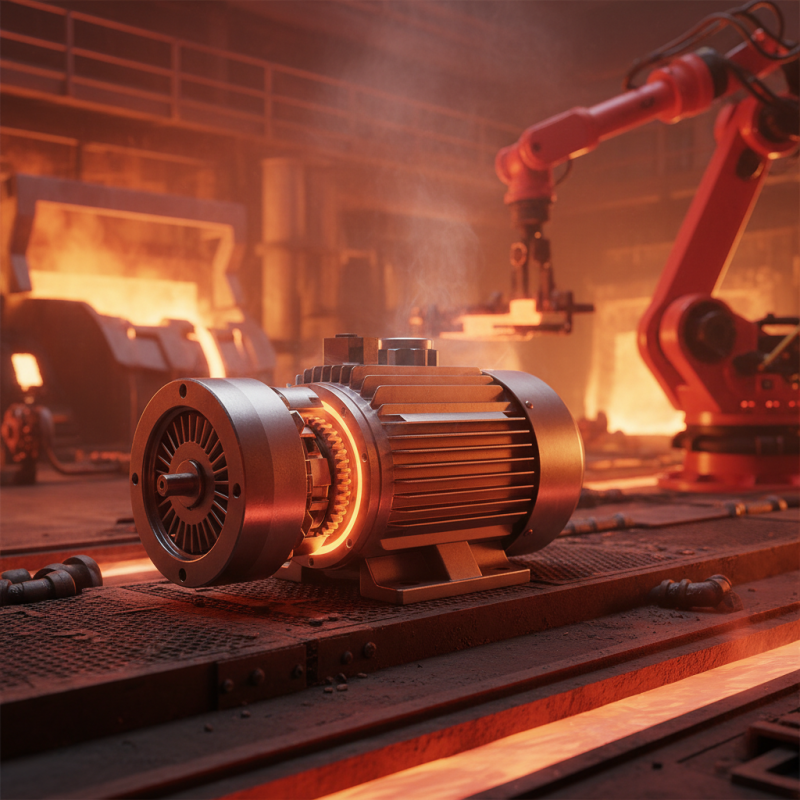
High Temperature Servo Motor Buying Guide for Global Buyers?

High Temperature Servo Motors: Key Characteristics and Specifications

High-temperature servo motors are essential for rigorous industrial applications. These motors can operate in extreme environments, often exceeding 200°C. Their design incorporates special materials to withstand intense heat. Buyers should understand these characteristics before making a purchase decision.

Key specifications include thermal rating, torque capabilities, and size. A high-temperature servo motor must maintain efficiency despite heat exposure. Selecting the wrong model can lead to premature failure or suboptimal performance. Considerations like insulation class, cooling methods, and mounting options play a critical role. Ignoring these details could result in costly downtime.

Quality varies widely in this niche. Buyers should consult experts or detailed technical resources. Research can be daunting, and some manufacturers may not offer comprehensive information. Seek verified data and user experiences. Be cautious of overly optimistic claims. Real-world performance often differs from specifications alone. Ensure to reflect on your specific requirements and operational contexts.

High Temperature Servo Motors Characteristics

Understanding Temperature Ratings and Their Impact on Performance

When considering high temperature servo motors, understanding temperature ratings is crucial. Temperature ratings indicate the maximum operational temperature a motor can withstand. As reported by the International Electrotechnical Commission (IEC), the performance of a motor can degrade significantly when temperatures exceed its rated limits. For instance, a motor rated for 80°C may only operate reliably up to 60°C under continuous load, risking failure beyond that threshold.

Different applications require different temperature ratings. In industries like aerospace and automotive, motors operate in extreme conditions. The American National Standards Institute (ANSI) emphasizes selecting motors with suitable temperature ratings for these environments. Additionally, high temperature can affect lubrication properties, which leads to increased wear and reduced lifespan. The reliability of a servo motor becomes questionable if it consistently operates near its upper temperature limits.

The grade of materials used in manufacturing also influences temperature endurance. Engineers often choose high-performance polymers and specialized metal alloys to withstand elevated temperatures. Still, there is a trade-off between cost and durability. Some materials may meet the temperature requirements but can be more expensive, which is a significant consideration for large-scale operations. It's essential for buyers to balance performance with their specific needs, ensuring that the selected motor not only meets but exceeds operational expectations in high temperature contexts.

High Temperature Servo Motor Data Table

Model Temperature Rating (°C) Torque (Nm) Voltage (V) Weight (kg) Efficiency (%)
Model A 200 15 48 5.5 90
Model B 150 20 36 7.0 85
Model C 180 10 24 4.0 88
Model D 250 25 60 9.0 92

Critical Factors to Consider When Selecting Servo Motors for High Temps

When selecting servo motors for high-temperature applications, several critical factors require careful consideration. Understanding the temperature ratings of the motor is essential. Motors must withstand heat without performance degradation. Look for specifications detailing the maximum operating temperature and how the motor is tested under these conditions.

Material choice is another significant aspect. Components should be resistant to thermal expansion. The motor casing and bearings must also endure high temperatures. Additionally, pay attention to the insulation class of the motor windings. Higher insulation ratings ensure longevity and reliability in extreme conditions. It’s wise to consult technical manuals for detailed insights that highlight any potential issues in high-temp environments.

Compatibility with your application plays a major role as well. Not all servo motors perform similarly under heat stress. Evaluate how each motor’s torque, speed, and precision are affected by high temperatures. Testing them in your specific conditions might reveal unexpected challenges. Even minor discrepancies can lead to failures. Thus, thorough research and assessments are vital to avoid costly mistakes in your projects.

Comparative Analysis of Leading High Temperature Servo Motor Brands

When choosing a high temperature servo motor, understanding the differences among leading brands is crucial. Each brand may offer unique specifications and performance capabilities. Some might excel in temperature tolerance, while others focus on efficiency and response times. Buyers should analyze the technical data sheets carefully, as minor specifications can lead to significant performance differences.

Durability in high temperature environments is essential. A servo motor that shows signs of wear quickly may not be the best investment. It’s advisable to look for motors with rigorous testing history. User testimonials and expert reviews can provide insight into real-world performance. Some motors may claim high ratings but fall short under actual conditions.

Understanding the application is key. Not all motors suit every task. For instance, a fast-paced assembly line may require different features compared to a precision tool. The right choice depends not just on specifications but also on specific operational needs. This complexity can lead to buyer's remorse if the wrong motor is selected. A thorough comparison will aid in making an informed decision.

Assessing Cost-Effectiveness and Long-Term Reliability in High Temp Motors

Selecting a high-temperature servo motor is critical for many applications. It's vital to consider cost-effectiveness and long-term reliability. High temperature environments can increase wear and tear on motors. Thus, choosing materials that can withstand heat is essential.

Tips: Always check the motor's thermal rating. This ensures it operates efficiently in your specific conditions. Not all motors are created equal in high heat situations.

Look into manufacturers’ warranties. A solid warranty can indicate the company’s trust in their product. Reliability often comes from extensive testing and quality assurance processes. However, not all manufacturers disclose this information clearly.

Consider the total cost of ownership. A lower purchase price may lead to higher maintenance costs over time. Reflect on how these factors contribute to your long-term operational goals. Investing time to evaluate options can save money and stress later.

Certified Quality System

© North Easton Machine Company, Inc. All rights reserved. • Site: Blog
NORTH EASTON MACHINE • 218 Elm Street • North Easton, MA 02356 • 508-238-6219