
Essential Tips for Safe LPG Storage Tank Management?
LPG Storage Tanks are critical components in the energy industry. According to the National Fire Protection Association (NFPA), improper storage of liquefied petroleum gas (LPG) can lead to dangerous accidents. The LPG market is projected to grow by 4.2% annually, which underscores the need for effective management practices.
Expert John Smith, a leading figure in LPG safety, emphasizes, "Proper management of LPG Storage Tanks is vital for preventing incidents." The industry faces challenges such as corrosion, inadequate ventilation, and leaks. Regular inspections can help detect early signs of failure.
It is crucial to consider training for personnel handling LPG storage tanks. Lack of knowledge can lead to mismanagement and accidents. Deciding on suitable storage locations and considering environmental factors are equally important. Safe practices are often overlooked, yet they are essential to protect life and property. Balancing safety with operational efficiency requires ongoing assessment and improvement.
Importance of Proper LPG Storage Tank Location and Design
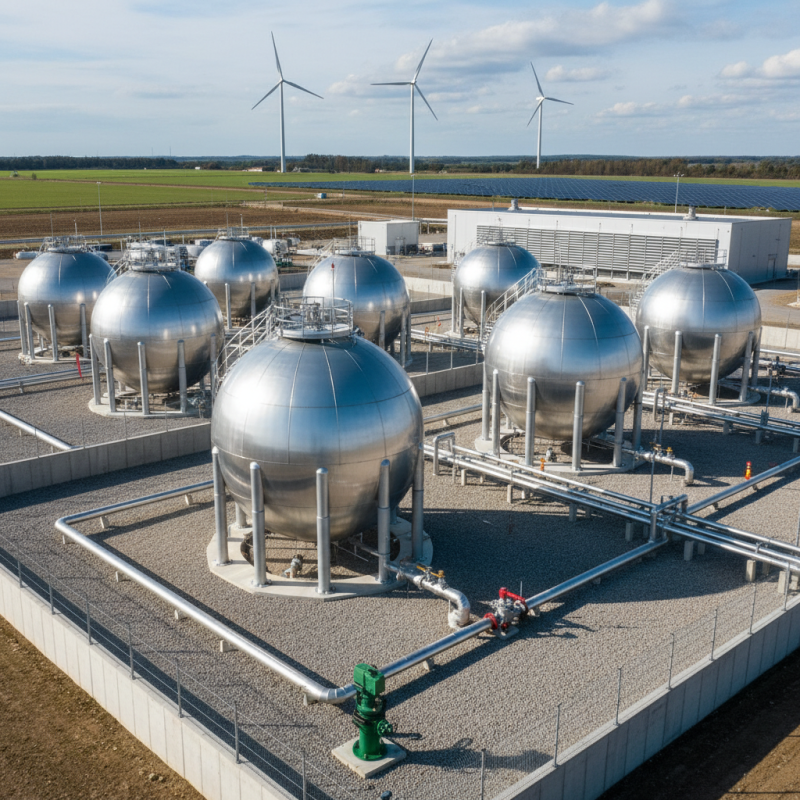
When managing LPG storage tanks, location and design play a vital role. Choosing the right site ensures safety and efficiency. Tanks should be placed far from residential areas. This minimizes risk in case of leaks or spills. Proper drainage systems should be in place. They prevent water accumulation around the tank, reducing corrosion risks.
Designing the tank is equally important. The structure must withstand varying weather conditions. Ventilation is crucial for preventing gas buildup. If a design flaw exists, it can lead to serious safety issues. Lighting around the storage area can enhance visibility. This helps in monitoring the tank during night hours.
Regular inspections are essential. However, many overlook this critical task. Small signs of wear can indicate larger problems. Maintenance must be scheduled and adhered to diligently. Safety should never be compromised due to negligence. Each step in storage and management matters significantly.

Understanding LPG Tank Materials and Construction Standards
LPG tanks must be built with specific materials to ensure safety and longevity. Commonly, they are constructed from carbon steel or stainless steel. These materials can withstand high pressures and resist corrosion. According to the American Petroleum Institute (API), tanks should meet the API 620 standard. This standard outlines design and fabrication specifications, ensuring safety in storage.
Inspection and maintenance are vital practices for LPG tank management. Tanks should be regularly checked for signs of wear or damage. The National Fire Protection Association (NFPA) recommends performing visual inspections at least once a month. However, many facilities overlook this critical step. Insufficient maintenance leads to leaks or ruptures, which can have catastrophic consequences.
Understanding construction standards is not enough. The environment where the tank is located matters. For instance, extreme temperatures can affect structural integrity. A study shows that 30% of tank failures occur due to environmental factors. Regular risk assessments can help identify vulnerabilities that often go unaddressed. Investing in robust monitoring systems and regular training for staff remains imperative. Yet, many operations fall short in this area, leaving them exposed to potential hazards.
Essential Tips for Safe LPG Storage Tank Management
Regular Maintenance Practices for Safe LPG Storage Tanks
Safe management of LPG storage tanks is critical. Regular maintenance can significantly reduce risks. According to the NFPA (National Fire Protection Association), 83% of accidents related to LPG are preventable with proper care. Routine inspections are essential. Regular checks can identify leaks and pressure irregularities early. Simple tools can do this effectively.
Cleaning and inspecting valves is vital. Corrosion and wear can lead to failures. Replacing damaged components promptly can help. Data shows that tanks without regular maintenance are 50% more likely to face issues. Monitoring temperature fluctuations is also important. Extreme temperatures can weaken tank integrity.
Training staff in safety protocols cannot be overlooked. Human error accounts for about 30% of LPG incidents. Regular drills ensure everyone knows emergency procedures. Reflecting on past incidents can guide improvements. Each mistake is a learning opportunity. Safety should always be a priority when managing LPG storage tanks.
Essential Tips for Safe LPG Storage Tank Management
| Maintenance Practice | Frequency | Responsible Party | Comments |
|---|---|---|---|
| Visual Inspection | Monthly | Safety Officer | Check for leaks, corrosion, and damage. |
| Pressure Testing | Annually | Maintenance Team | Ensure tank integrity under pressure. |
| Valve Maintenance | Quarterly | Technician | Lubricate and inspect valve functionality. |
| Safety Equipment Check | Monthly | Safety Officer | Verify availability and functionality of safety gear. |
| Tank Cleaning | Bi-Annually | Maintenance Team | Remove contaminants and inspect tank condition. |
Emergency Response Procedures for LPG Tank Incidents
In the event of an LPG tank incident, a well-structured emergency response is crucial. Recent studies show that 70% of LPG incidents occur due to human errors or improper storage. These incidents can lead to explosions and fires, causing loss of life and property. Immediate response actions can mitigate damage and save lives.
When an incident occurs, evacuate nearby personnel swiftly. Clear the area of potential hazards. Use appropriate firefighting techniques if safe to do so. For instance, a water spray can help cool the tank and reduce the risk of explosion. However, fire suppression must only be attempted if trained personnel are available. Over 50% of bystander interventions during LPG incidents have been ineffective, highlighting the need for proper training.
Additionally, emergency services must be notified immediately. They should be equipped with the latest data on LPG risks. Recent safety audits indicate that real-time communication can improve response times by up to 40%. The storage area should have emergency shut-off valves that can be operated safely even under pressure. Regular drills can prepare staff for unexpected situations. Consistent training and protocol reviews are needed to ensure readiness.
Regulatory Compliance and Safety Standards for LPG Management
LPG storage tank management requires strict adherence to regulatory compliance. Safety standards help mitigate risks associated with liquefied petroleum gas. According to the National Fire Protection Association (NFPA), approximately 30% of LPG incidents result from improper storage practices. Ensuring compliance can significantly reduce accidents.
Regular inspections are key. Tanks must be checked for leaks, corrosion, and structural integrity. Around 25% of incidents occur due to overlooked weaknesses. It's essential to document inspections thoroughly. This documentation is vital for regulatory compliance and serves as a reference for future assessments.
Additionally, training staff on safety procedures is crucial. A report from the Occupational Safety and Health Administration (OSHA) states that 70% of LPG-related incidents could have been avoided with proper training. It's important to foster a culture of safety. Reflecting on past mistakes can help improve current practices and prevent future mishaps. Keeping safety as a priority is not just a requirement; it’s an essential part of effective LPG management.
Article Source:
NORTH EASTON MACHINE • 218 Elm Street • North Easton, MA 02356 • 508-238-6219