
Essential Dehumidifier Unit Tips for Optimal Home Comfort?
A Dehumidifier Unit plays a crucial role in maintaining home comfort, especially in humid climates. According to the U.S. Environmental Protection Agency (EPA), indoor humidity levels should ideally be between 30% and 50%. Exceeding this range can lead to discomfort, mold growth, and health issues. Many homeowners overlook the importance of proper humidity control. This can lead to higher energy bills and decreased air quality.
Investing in an efficient dehumidifier can significantly enhance indoor living conditions. The Association of Home Appliance Manufacturers reported that effective dehumidifier units can remove upwards of 30 pints of moisture per day. However, not all units are created equal. Selecting the wrong size or type can reduce efficiency and effectiveness.
Understanding your home’s specific needs is essential. Regular maintenance of your Dehumidifier Unit is necessary to ensure long-term performance. Neglecting these units can lead to common problems, such as reduced airflow and system malfunctions. Addressing these issues promptly can help maintain a comfortable and healthy indoor environment. By being informed about dehumidifiers, homeowners can make better choices and reflect on their home's humidity levels.
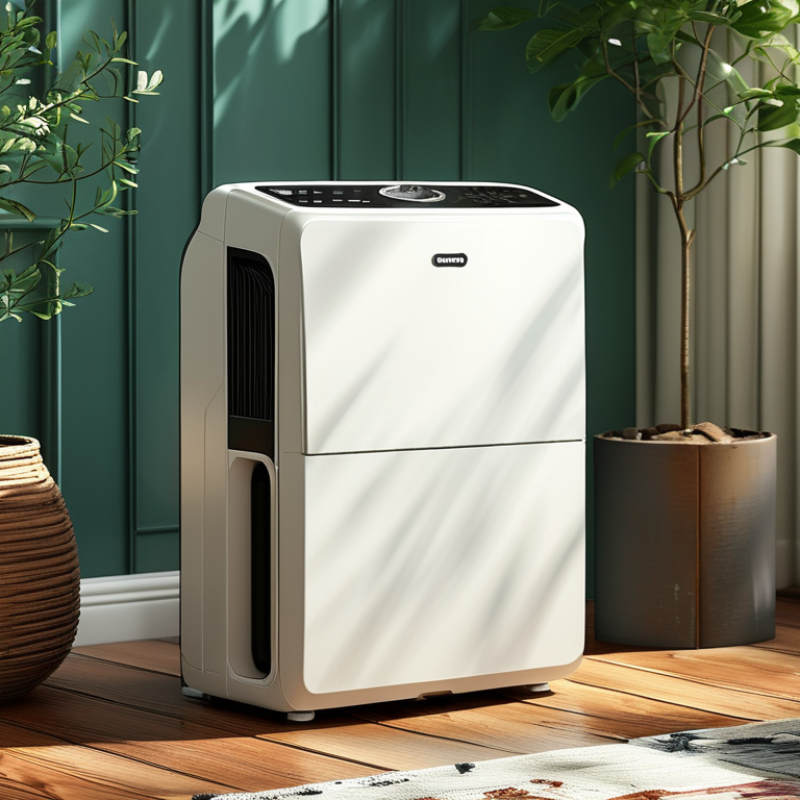
Understanding the Importance of Dehumidifiers in Home Comfort
Understanding the importance of dehumidifiers in home comfort is vital. High humidity levels can create an uncomfortable living environment. Mold and mildew thrive in damp conditions, leading to potential health risks. A dehumidifier helps to regulate moisture, making your home more comfortable.
When choosing a dehumidifier, consider the space’s size. A small unit may not be effective in large areas, while an oversized model can waste energy. Regular maintenance is crucial, too. Cleaning the filter prevents dust and allergens from circulating. Failing to maintain the unit can result in decreased efficiency.
Many overlook the placement of dehumidifiers. Keeping them in a central location maximizes their effectiveness. Some users react hesitantly to the noise they produce. However, selecting a quieter model can alleviate this concern. The subtle hum of a dehumidifier can often become a familiar background noise in your home. Ultimately, understanding these factors contributes significantly to your overall comfort and well-being.
Essential Dehumidifier Unit Tips for Optimal Home Comfort
| Tip | Description | Benefit |
|---|---|---|
| Choose the Right Size | Select a dehumidifier that is suitable for the size of your space. | Improves efficiency and lowers energy costs. |
| Regular Maintenance | Clean the filter and water bucket regularly. | Ensures optimal performance and extends lifespan. |
| Monitor Humidity Levels | Use a hygrometer to keep track of humidity levels in your home. | Helps maintain a comfortable and healthy environment. |
| Optimize Placement | Place your dehumidifier centrally in the space for best airflow. | Enhances efficiency in moisture removal. |
| Consider Energy Efficiency | Look for Energy Star-rated models. | Reduces electricity consumption and costs. |

Key Features to Look for in a Dehumidifier Unit
When choosing a dehumidifier unit, certain key features stand out. The capacity is crucial. Most homes require a unit that can handle 30 to 50 pints of moisture daily. According to industry reports, these units can effectively reduce humidity levels in spaces of up to 2,500 square feet. In areas with severe dampness, higher capacities may be required.
Energy efficiency is another essential factor. Look for units with an Energy Star rating. These devices consume up to 15% less energy than non-rated models, cutting down on long-term costs. Maintenance features matter too. A built-in pump enables continuous drainage, saving you from frequent tank emptying.
Tips for optimal operation include placing the unit in a centralized location. This maximizes its effectiveness. Regularly check filters and clean them as needed. A dirty filter can reduce efficiency by 15% or more. Lastly, consider noise levels if the unit will be used in living areas. Some models operate quietly, while others may disrupt your peace. Choose wisely based on your home's needs.
Optimal Settings for Different Humidity Levels at Home
When adjusting your dehumidifier, consider your home's humidity level. For optimal performance, set the humidity between 30% and 50%. In summer, you might need to lower it more, especially during heatwaves. Aim for around 40% to keep discomfort at bay. Excessive moisture can lead to mold or mildew, which is unhealthy.
In colder months, a higher setting of about 45% can help. This prevents dryness and keeps your skin comfortable. Remember that too much humidity can still occur indoors, even in winter. Pay attention to outdoor weather patterns. If it's raining, consider checking your indoor levels more frequently.
Understanding the ideal settings for your environment will enhance your quality of life. Reflect on how humidity affects your daily routines. Simple adjustments can lead to significant improvements. Monitoring and adjusting may feel tedious, but it is necessary for a comfortable home.
Maintenance Tips for Maximizing Dehumidifier Efficiency
Proper maintenance of your dehumidifier is vital for maximizing its efficiency. Start by regularly checking and cleaning the filter. A dirty filter can hinder airflow and reduce performance. Aim to clean or replace the filter every month, especially during peak humidity seasons. Keeping it clean not only enhances efficiency but also prolongs the lifespan of your unit.
Another essential tip is to ensure proper drainage. If your dehumidifier uses a water tank, empty it frequently to prevent overflow. Otherwise, the unit will shut off, halting its operation. If your model allows continuous drainage, use this feature. This will save you time and improve efficiency. Additionally, position the dehumidifier correctly. Ensure it is away from walls or furniture to allow smooth airflow.
Lastly, inspect the unit regularly for any signs of wear. Look out for unusual noises or leaks. These could indicate underlying issues affecting performance. If you notice anything amiss, don’t hesitate to consult a professional. Maintaining awareness of these factors will keep your home comfortable and improve your dehumidifier's work. Regular checks and simple actions can yield significant benefits.
Common Mistakes to Avoid When Using a Dehumidifier
Using a dehumidifier can significantly enhance home comfort, but certain common mistakes can reduce its effectiveness. One frequent error is placing the unit in the wrong location. Ideally, a dehumidifier should be positioned in areas where moisture accumulates, such as basements or bathrooms. According to a report by the American Society of Heating, Refrigerating and Air-Conditioning Engineers, up to 50% of indoor humidity can come from basements. Placing a dehumidifier in a less humid area will hinder its performance.
Another common mistake is neglecting to maintain the unit. Regular cleaning of the filter is crucial. A clogged filter restricts airflow and reduces efficiency. Research shows that well-maintained dehumidifiers perform at least 20% more effectively. Users often overlook this simple task. Additionally, setting the humidity level too low might lead to excessive dryness, potentially causing skin irritation or respiratory issues. The recommended indoor humidity level is between 30% and 50%. Finding that balance is essential for optimal comfort and health.
Dehumidifier Usage: Common Mistakes and Best Practices
Article Source:
NORTH EASTON MACHINE • 218 Elm Street • North Easton, MA 02356 • 508-238-6219