How to Customize Valve Guides for Enhanced Performance?
Customization of valve guides can significantly enhance engine performance. Mechanics often overlook the importance of Valve Guide Customized solutions. A precise fit is essential for optimizing airflow and reducing friction.
When tuning an engine, valve guide dimensions matter. Standard sizes may not meet specific requirements. Customizing valve guides involves a detailed understanding of engine dynamics. Adjusting the size and shape can improve valve seating and increase power output.
However, challenges exist in customization. It's crucial to strike a balance between performance and durability. Overly aggressive modifications might lead to premature wear or failures. Regular assessments of the changes made will help ensure reliability.
Understanding the Role of Valve Guides in Engine Performance
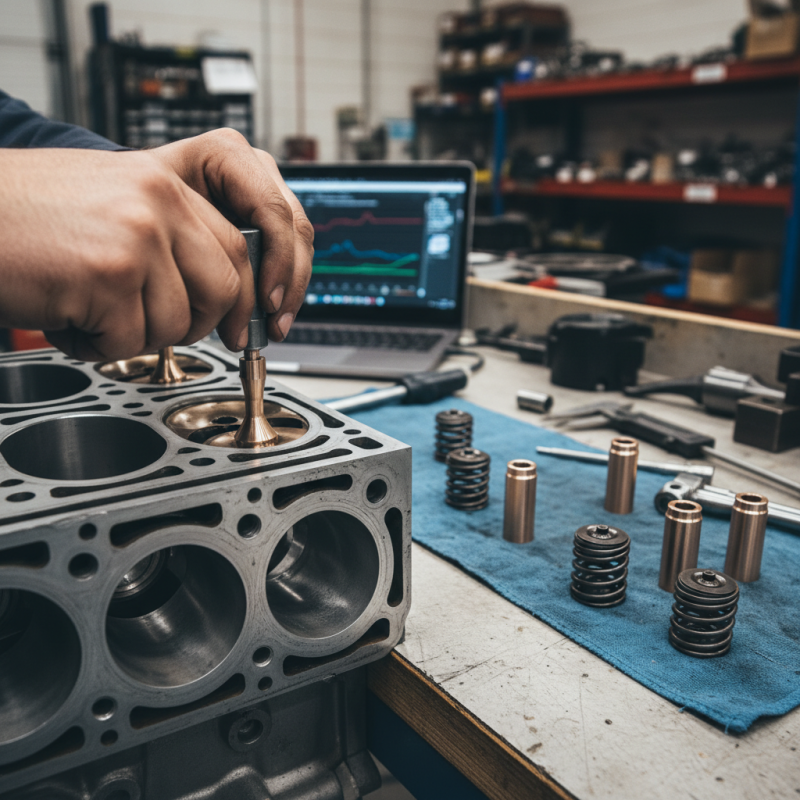
Valve guides play a crucial role in engine performance. They help maintain the correct position of the valve while allowing it to move smoothly. Used in conjunction with valve stems, these components ensure optimal air and fuel flow in the combustion chamber. Research indicates that improper valve guide fit can lead to significant power loss. For instance, a report from an automotive engineering journal stated that a misaligned valve can reduce engine efficiency by up to 15%.
Precision in valve guide installation enhances engine responsiveness. When guides wear out or become misaligned, they can cause increased friction. This friction hampers the engine's ability to generate power. Moreover, a worn guide can result in oil leakage into the combustion chamber, resulting in higher emissions. Data from recent studies highlighted that this issue affects long-term engine durability and performance metrics negatively.
Customization of valve guides can provide a solution. By adjusting the material or dimensions, builders can achieve better thermal stability. They can also reduce wear over time. Knowing the exact specifications is vital. It is essential to consider how each modification might affect overall engine dynamics. Custom solutions require careful thought and examination. Choices made today can impact longevity and efficiency significantly.
Materials Used for High-Performance Valve Guides
When customizing valve guides, material selection is crucial for performance enhancement. High-performance valve guides are typically made from a range of materials, each providing unique benefits. Common choices include bronze, steel, and titanium. Bronze guides offer excellent wear resistance and thermal conductivity. Steel guides are durable but can weigh more. Titanium guides, while lightweight, tend to be more expensive.
Data from industry reports indicate that using high-quality materials can improve engine efficiency by 5-10%. For example, oversized titanium valve guides can reduce weight by up to 30% compared to traditional materials. This reduction contributes to faster revs and better balance. Therefore, it's essential to assess the specific needs of your engine when selecting materials.
Tips: Ensure the guides fit perfectly. Poor fit can lead to excessive wear. Monitor the contact points for signs of wear. Regular checks can catch issues early, saving time and costs. Customizing valve guides requires precision. Study the pros and cons of each material before making a decision.
Techniques for Custom Shaping Valve Guides
Custom shaping of valve guides enhances performance for high-performance engines. Precision shaping allows for better airflow and improved efficiency. The process may involve using a Dremel tool or CNC machine for accurate adjustments.
One effective technique is to taper the valve guide's interior. This adjustment reduces turbulence and promotes smoother airflow. Precision measuring tools help ensure the right angles and diameters. However, it’s crucial to remember that small errors can lead to significant performance issues. Always measure twice and cut once.
Another technique involves adjusting the height of the valve guide. Lowering it slightly can help achieve optimal seating angles. This change improves the sealing between the valve and seat. Still, overdoing this can compromise the valve's function. Each modification should be documented for future reference. Careful experimentation leads to better results, yet it requires patience and a willingness to learn from mistakes.
How to Customize Valve Guides for Enhanced Performance? - Techniques for Custom Shaping Valve Guides
| Technique | Material Used | Custom Shape | Performance Gain (%) | Applications |
|---|---|---|---|---|
| Precision Machining | Aluminum Alloy | Tapered | 15% Increase | Sport Cars |
| 3D Printing | Titanium | Curved | 20% Increase | Racing |
| CNC Cutting | Stainless Steel | Custom Profile | 10% Increase | Motorcycles |
| Surface Coating | Steel | Smooth Finish | 12% Increase | Classic Cars |
| Heat Treatment | Chromoly | Reinforced | 18% Increase | High-Performance Vehicles |
Matching Valve Guides with Engine Specifications
When customizing valve guides, it’s crucial to match them with engine specifications. Each engine has unique requirements based on its design and intended performance. Ignoring these specifics can lead to inefficiencies. For instance, a guide that is too loose can cause oil leaks, while one that is too tight may lead to excessive wear.
Selecting the right material is also essential. Different engines benefit from different materials based on their operating conditions. For high-performance engines, a durable alloy may be needed. On the other hand, a street engine might function better with a less expensive option. Finding the right balance can be challenging. Sometimes, it takes trial and error.
Precision in the installation process cannot be overlooked. Poor alignment during installation can create issues over time. Misalignment can lead to friction and heat that compromise the engine's performance. So, careful measurement and adjustment are key. It's a meticulous task that requires patience. Overall, the focus should be on achieving the ideal fit and performance for the specific engine. Keep testing and refining until everything works smoothly.
Performance Comparison of Customized Valve Guides
Testing and Evaluating Customized Valve Guides Performance
Customizing valve guides can significantly affect engine performance. Various studies show that optimized valve guides can improve airflow, leading to increased horsepower. One report indicates that precision-engineered guides can enhance throttle response by up to 15%. This enhancement is critical in high-performance engines where every bit of efficiency counts.
Testing these customized components is equally important. By evaluating them under controlled conditions, engineers can gather valuable data. Parameters such as temperature, airflow, and pressure are meticulously monitored. A recent assessment highlighted that some customized guides showed inconsistent results due to material fatigue. This is essential for engineers to understand. The performance fluctuations necessitate a careful analysis of the materials used in guide manufacturing.
Moreover, real-world applications often present challenges. It’s not simply about installation; tuning is vital. Engineers might find that a seemingly perfect guide causes unexpected wear after prolonged use. These insights can drive further refinements in design and material selection. Understanding the long-term performance impacts ensures that improvements are sustainable.
Article Source:
NORTH EASTON MACHINE • 218 Elm Street • North Easton, MA 02356 • 508-238-6219