What is a Cnc Sandblasting Machine and How Does It Work?
In today’s industrial landscape, the demand for precision and efficiency is paramount. The Cnc Sandblasting Machine has emerged as a vital tool for achieving superior surface finishes. Renowned expert in machining, Dr. Emily Hughes, stated, “The Cnc Sandblasting Machine revolutionizes how we approach surface preparation and finishing tasks.” Her insights highlight the significance of this technology in various sectors.
Cnc Sandblasting Machines operate using controlled air pressure to propel abrasive materials onto surfaces. This process can remove contaminants and create the desired texture. The technology offers remarkable consistency and repeatability, minimizing human error. However, operators must be mindful of machine settings to avoid excessive abrasion.
While the benefits are clear, challenges exist. Improper use can lead to unexpected results. Over-reliance on automation may cause a lack of understanding in manual techniques. Consequently, operators should balance machine use with foundational skills. Embracing both technology and craftsmanship is essential for optimal outcomes in the industry.
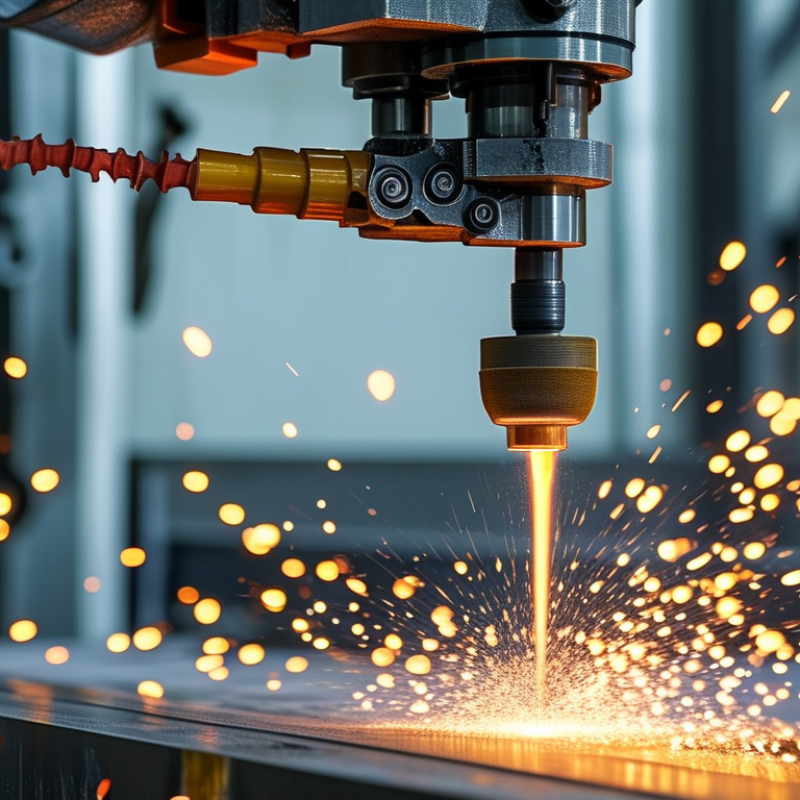
What is a CNC Sandblasting Machine and its Core Components?
A CNC sandblasting machine is essential for surface finishing applications. It combines computer numerical control (CNC) technology with sandblasting, allowing for precise and automated surface treatment. This process is widely used in various industries, from automotive to aerospace, to enhance surface characteristics. The core components include the control panel, sandblasting chamber, and the abrasive delivery system. These parts work together to achieve efficient and effective surface cleaning and texturing.
In recent industry reports, it was shown that CNC sandblasting machines improve productivity by up to 30%. This is significant for companies looking to reduce costs while maintaining quality. The control panel enables operators to program specific parameters, ensuring consistent results. The sandblasting chamber confines abrasive materials, preventing excessive wastage and ensuring safety.
Tip: Regularly inspect the abrasive delivery system. A clogged nozzle can lead to inconsistent blasting patterns and extended downtimes. Additionally, ensure the chamber is well-ventilated. Proper airflow reduces dust hazards and improves operator safety. Remember, even small inefficiencies can lead to larger production issues. Always reflect on the machine's performance and keep an open line of communication with your operators for continuous improvement.
What is a CNC Sandblasting Machine and How Does It Work?
| Component | Description | Function |
| Control System | The central unit that controls the sandblasting machine’s operations. | Coordinates movements and settings for precision blasting. |
| Sandblasting Nozzle | The outlet through which the abrasive material is propelled. | Directs the flow of abrasive to the workpiece for effective cleaning or etching. |
| Vacuum System | System used to collect spent abrasive and dust. | Maintains a clean workspace and reduces health hazards. |
| Abrasive Material | The medium used for blasting, often silica sand or aluminum oxide. | Removes surface contaminants and prepares surfaces for finishing. |
| Workpiece Holder | Device to securely hold the items being sandblasted. | Ensures precise and stable blasting of the workpiece. |
The Mechanism of Action: How CNC Sandblasting Machines Operate
CNC sandblasting machines are essential tools in various industries. They utilize computer numerical control (CNC) technology to automate the sandblasting process. This ensures precision and consistency. The machine propels abrasive materials, often sand, at high speeds to clean or etch surfaces. The CNC system adjusts the speed, pressure, and angle of the blast, making it highly efficient.
During operation, a computer controls the sandblasting head's movements. It follows a predetermined path, ensuring even application of the abrasive material. This process minimizes operator fatigue and maximizes productivity. Dust collection systems often accompany CNC machines to maintain a clean workspace. However, some operators may overlook maintenance, leading to inefficient operations over time.
**Tips:** Always inspect the machine for wear and tear. A quick check can prevent larger issues. Regularly clean the dust collection system to maintain airflow. A clean workspace promotes a safer environment, reducing risks of accidents. Don’t hesitate to recalibrate settings occasionally; minor adjustments can lead to significant improvements in quality.
Advantages of Using CNC Sandblasting over Traditional Methods
CNC sandblasting machines represent a significant advancement in surface treatment technology. They automate the sandblasting process, enhancing precision and efficiency. Unlike traditional methods, CNC machines can produce consistent results, reducing human error. The programmable features allow for complex patterns and designs that are difficult to achieve manually. Operators can adjust settings with ease.
One major advantage is the consistent quality of the output. Each piece receives the same treatment, minimizing inconsistencies. This automation also speeds up production times, which is crucial for large projects. CNC sandblasting can handle various materials and shapes, expanding the range of applications. However, initial setup and programming can be a challenge, requiring skilled operators.
Cost can be a concern, especially for smaller businesses. Investing in CNC machines may not be feasible for everyone. Yet, the long-term efficiency and reduced labor needs often justify the expense. Overall, CNC sandblasting machines have transformed the industry, offering improved results and capabilities.
Key Applications of CNC Sandblasting in Various Industries
CNC sandblasting machines are pivotal across various industries, streamlining surface preparation and finishing. In automotive manufacturing, for instance, sandblasting is essential for removing rust, paint, and contaminants. According to a recent report by MarketsandMarkets, the global automotive sandblasting market is projected to reach approximately $1.5 billion by 2026, highlighting its importance in vehicle production. The precision offered by CNC technology ensures consistent results, reducing the chance of human error.
In the aerospace sector, CNC sandblasting is utilized for cleaning complex parts without damaging sensitive components. The American Institute of Aeronautics and Astronautics indicates that surface treatments can enhance durability and performance. Effective surface preparation can increase the lifespan of aircraft components, promoting safety and reliability. Sandblasting in this field requires rigorous testing to confirm that the method does not compromise material integrity, underscoring the need for skilled operators.
Manufacturers in the construction industry also benefit from CNC sandblasting. It prepares surfaces for painting or coating, ensuring better adhesion and longevity. The improvement in durability can lead to cost savings on maintenance. However, it's imperative to evaluate the environmental impact of sandblasting materials. Increasing regulations around dust control and contaminants present challenges that manufacturers must address to maintain compliance.
Key Applications of CNC Sandblasting in Various Industries
Maintenance and Safety Practices for CNC Sandblasting Machines
CNC sandblasting machines are essential for various industrial applications. However, they require regular maintenance to perform effectively. Routine checks on abrasive supply, air pressure, and machine alignment are vital. Operators should inspect the machine for any signs of wear and tear. Keeping the equipment clean can prevent unnecessary breakdowns.
Safety practices are equally important. Wearing proper personal protective equipment (PPE) is crucial. This includes goggles, gloves, and dust masks. It's easy to overlook these safety measures, but neglecting them can lead to serious injuries. Operators should also ensure proper ventilation in the workspace to avoid inhaling harmful particles. Regular training on safety protocols can help build a culture of safety among workers.
Inadequate maintenance and safety can lead to costly mistakes. Machines may become inefficient if not regularly assessed. Employees may face health risks without proper PPE. Reflecting on past incidents can provide insights for improvement. It's essential to prioritize both maintenance and safety to ensure a productive and safe work environment.



 Find Your Solutions ▶