How to Choose the Right Water Precision Filter for Your Needs?
Choosing the right Water Precision Filter can be overwhelming. There are many options available, making it crucial to understand your specific needs. Industry expert Dr. Jane Smith emphasizes, "Selecting the right filter is essential for quality water." Her insights reflect the importance of this decision.
Water Precision Filters vary greatly in terms of design and function. Some filters target specific contaminants while others provide broader protection. Understanding the filtration process is vital. Users often overlook the size and flow rate. These factors directly impact efficiency and suitability for your environment.
Always consider the maintenance requirements of the filter. Ease of use can influence your long-term satisfaction. Remember, the best filter is not just about initial cost. Evaluating longevity and replacement parts can save money and effort in the future. Be open to asking questions, and seek guidance to make an informed choice.
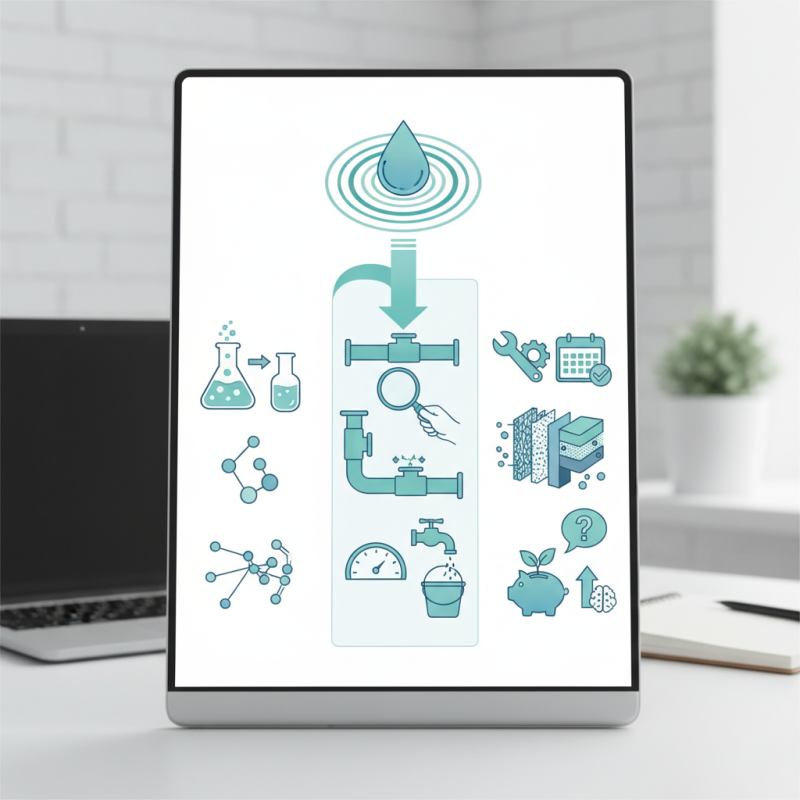
Understanding the Types of Water Precision Filters Available
When selecting the right water precision filter, understanding the various types is crucial. There are multiple categories available on the market today. Each type serves a unique purpose based on specific needs. For example, sediment filters are great for removing larger particles like sand or rust. These filters are often the first line of defense in many water filtration systems.
Another type to consider is activated carbon filters. They excel at removing chlorine, odors, and certain contaminants from water. These filters significantly improve taste and smell. However, they may not filter out all microorganisms. Users should be aware of their limitations. Ultraviolet (UV) filters present a different solution. They utilize UV light to kill bacteria and viruses but do not remove other impurities.
Some filters combine these methods for more comprehensive solutions. Multi-stage systems can address a wider range of contaminants. However, they may require more maintenance and come with higher costs. Understanding these nuances is essential for effective water filtration. Evaluate your specific needs and local water quality to make the best choice. This way, you will ensure clean and safe water for your home.
Evaluating Your Water Quality Needs Before Choosing a Filter
Before selecting a water precision filter, assessing your specific water quality needs is crucial. Different areas have different contaminants. A simple water test can reveal potential issues like chlorine, lead, or sediments. These factors should guide your choice. For example, if you live in an area with high sediment, a filter with sediment removal capabilities is essential.
Consider what you want to achieve with the filter. Are you concerned about taste or potential contaminants? Understanding the source of your water can help clarify this. If your water supply comes from a well, it may have different impurities than municipal water. This distinction matters. You might need a more specialized filter for well water. Always reflect on your specific requirements.
Lastly, think about the filter's maintenance. Some filters require regular replacements, while others have longer lifespans. Choosing a filter that fits your lifestyle and budget is essential. You don’t want to end up with a filter that you can’t maintain effectively. Take your time to weigh all these factors. Your health and the quality of your water depend on it.
Key Features to Look for in a Water Precision Filter
When choosing a water precision filter, certain key features should guide your decision. First, consider the filtration accuracy. Look for a filter that can remove contaminants to the smallest particle size, ensuring your water is safe to drink. A filter with a rated capacity for specific contaminants is essential. You should check if it can effectively remove bacteria, heavy metals, and chlorine.
Another important aspect is the filter’s flow rate. A high flow rate means you can access filtered water quickly. However, ensure that the flow rate doesn’t compromise the filter’s effectiveness. Balancing speed and purity is crucial for satisfying hydration needs.
Tips: Regular maintenance is vital for optimal performance. Change filters on schedule to avoid buildup of contaminants. Additionally, evaluate the filter’s durability. Some materials may break down faster than others, impacting the filter's lifespan. A robust design often indicates a more reliable product.
Lastly, think about the installation process. Some filters are easier to set up than others. A complicated installation could discourage regular use. Simplicity often leads to better adherence to maintenance schedules. Making the right choice involves considering these factors to fit your specific needs.
Comparing Filter Technologies: Reverse Osmosis vs. Others
When comparing filter technologies, reverse osmosis (RO) stands out for its efficiency in removing contaminants. RO systems can eliminate up to 99% of impurities, including heavy metals, microorganisms, and chemicals. According to the Water Quality Association, water treated with RO shows significant improvements in taste and quality. This makes RO an appealing choice for households needing pure drinking water.
However, not all filtration needs require a full RO system. Alternatives like activated carbon filters are effective for taste and odor removal but do not target dissolved solids. Research indicates activated carbon can reduce chlorine levels by over 90%, which is impressive for municipal water supplies. For those with specific contaminants, such as lead or nitrates, specialized filters might be more appropriate.
Choosing the right filter depends on local water quality, household needs, and maintenance willingness. Understanding these basics is crucial. It’s essential to reflect on what an individual or family truly requires before making an investment in water purification. Some may discover that simpler methods suffice. This introspection can lead to better choices in achieving safe and clean drinking water.
Budget Considerations: Finding a Filter That Meets Your Needs
When choosing a water precision filter, budget plays a crucial role. Data from industry reports indicate that households can spend anywhere from $50 to over $500 on filtration systems. This range often corresponds to the filter types, including activated carbon, reverse osmosis, and UV filters. Each type has its unique cost-effectiveness and ability to remove specific contaminants. Higher-end models may offer extensive features. However, thorough research is essential to avoid overspending on unnecessary extras.
Tip: Assess your specific water quality needs before investing. A water quality test can reveal contaminants that require targeted filtration.
Consider your long-term costs too. Some filters require frequent replacement, which can add to the overall expenditure. The Environmental Protection Agency suggests that families might save in the long run by selecting filters that efficiently meet their water needs without excess maintenance costs.
Tip: Look into user reviews and expert opinions when evaluating options. They can provide insight into the reliability and performance of different filters.
Remember, sometimes, lower-priced options can yield satisfactory results. Always weigh the benefits against the costs. Before finalizing, explore multiple options to ensure you are making an informed decision.


 Find Your Solutions ▶