
How to Choose the Right Switching Power Supply for Your Needs?
In today's tech-driven world, choosing the right Switching Power Supply (SPS) is crucial. Recent industry reports indicate that the global SPS market is projected to reach $40 billion by 2027. This rapid growth underscores the importance of selecting a power supply that meets specific needs. The efficiency and reliability of SPSs can directly impact device performance.
Many manufacturers offer a range of options, which can be overwhelming. It's essential to consider parameters such as voltage, current, and power ratings. A report from the International Electrotechnical Commission warns that poor choices can lead to performance issues. Devices may overheat or suffer from reduced lifespan due to inadequate power supply specifications.
Furthermore, the rise in renewable energy solutions demands a thoughtful approach to SPS selection. The need for compatibility with solar inverters and battery systems is now more significant than ever. Companies must assess not just their present needs but also future scalability. Reflecting on these factors is vital to ensure optimal power delivery and device longevity.
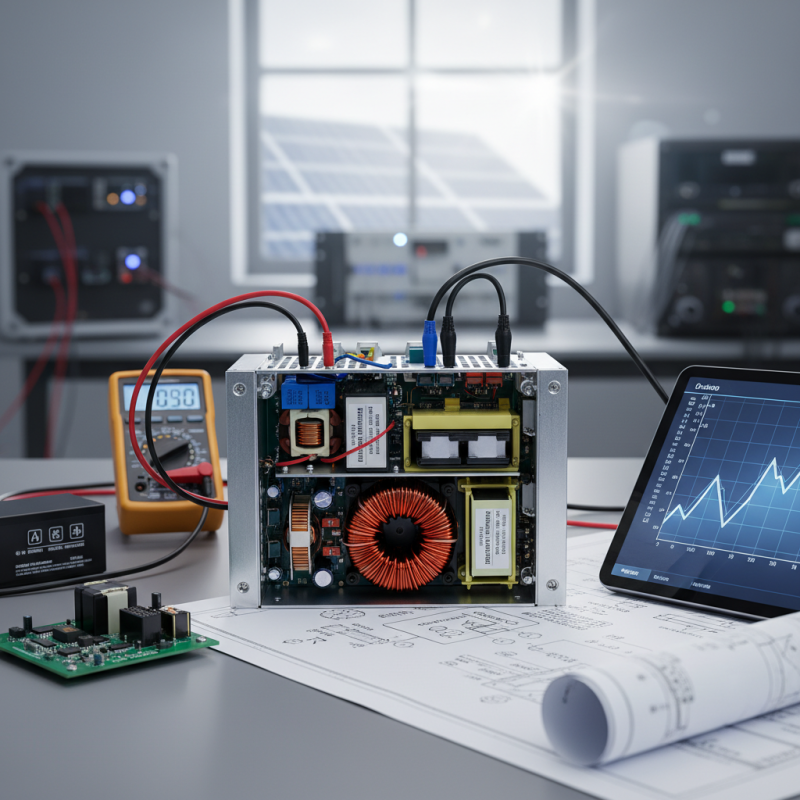
Understanding the Basics of Switching Power Supplies
Switching power supplies (SPS) are crucial in modern electronics. They convert electrical power to various voltage levels efficiently. Understanding their basics helps in selecting the right one for your device.
Most SPS operate on a wide input voltage range. They ensure stability and reliability in various conditions. According to industry data, over 80% of electronic devices use these power supplies. This efficiency is vital for battery-operated products. Many SPS achieve 90% efficiency or higher. However, they can generate heat. Cooling systems or heat sinks are necessary to manage this issue.
Noise and ripple are two important factors. High-frequency noise can interfere with sensitive components. The acceptable level of ripple voltage depends on the application. In some cases, a regulated output is essential. Engineers often overlook these details. A power supply that meets basic requirements may still fall short under specific conditions. Proper assessment ensures long-term performance and reliability.

Identifying Your Power Requirements for Specific Applications
Choosing the right switching power supply starts with understanding your power requirements. For specific applications, one must consider both voltage and current needs. According to industry reports, many devices today require precise power levels to operate efficiently. For example, a microcontroller may need a stable 5V supply, while a high-power LED setup could demand up to 48V.
It's essential to calculate the total wattage your application will consume. Often, manufacturers suggest adding a buffer to the required power. Reports indicate that power supplies should typically be rated for about 20% more wattage than your calculated needs. This buffer helps mitigate issues during peak loads, which can often exceed average consumption.
Many users overlook certain aspects of load regulation. Fluctuations in current could lead to performance issues or even damage components. For instance, an unstable voltage supply can affect sensitive electronics. It may seem negligible, but these differences can impact the longevity and reliability of devices. Evaluating your application’s power requirements demands careful attention to detail and consideration of potential variances.
Choosing the Right Switching Power Supply: Power Requirements for Different Applications
This bar chart illustrates the power requirements for various applications where switching power supplies are commonly used. The values represent the typical wattage needed for each application.
Evaluating Efficiency Ratings and Performance Criteria
When choosing a switching power supply, efficiency ratings are crucial. Efficiency indicates how well the power supply converts input to output. A higher rating means less energy wasted as heat. Aim for at least 80% efficiency to ensure good performance.
Consider the performance criteria as well. Load regulation is vital. It measures how stable the output voltage is under varying loads. This stability is important for sensitive electronics. Another factor is thermal performance. A power supply should remain cool during operation. Excessive heat can shorten its lifespan.
Tips: Pay attention to the cooling method. Active cooling can help maintain optimal temperatures. Also, check for certifications that guarantee safety and reliability. Don’t neglect the need for proper size and weight. An oversized supply can be inefficient. An undersized one may not deliver enough power. Evaluate your requirements carefully.
How to Choose the Right Switching Power Supply for Your Needs? - Evaluating Efficiency Ratings and Performance Criteria
| Specification | Type A | Type B | Type C |
|---|---|---|---|
| Input Voltage Range | 100-240V AC | 90-265V AC | 110-220V AC |
| Output Voltage | 12V | 24V | 5V |
| Max Output Current | 2A | 3A | 5A |
| Efficiency Rating | 85% | 88% | 90% |
| Operating Temperature | -20 to +60°C | -10 to +70°C | -20 to +50°C |
| Dimensions (L x W x H) | 150 x 75 x 40 mm | 160 x 80 x 45 mm | 100 x 50 x 25 mm |
| Weight | 300g | 400g | 200g |
Assessing Form Factor and Physical Size Constraints
When selecting a switching power supply, the form factor and physical size are crucial. The form factor defines the dimensions and shape, impacting compatibility within enclosures. Reports show that over 70% of design issues stem from size constraints. Engineers often overlook this, leading to poor integration in projects. A compact supply may seem appealing, but it might not provide sufficient heat dissipation.
Physical size constraints can be deceptive. Many assume that smaller is better. However, a smaller unit can limit power availability. According to industry research, power supplies with reduced size often compromise voltage stability. This is critical for devices requiring consistent power. When designing, consider the airflow and thermal management. A tight fit could cause overheating.
Evaluating your layout is just as important. Always check how much space is available. Watch for interference from other components. It's essential to balance aesthetics and functionality. This balance can significantly impact performance. Ultimately, a well-planned power supply selection saves time and cost in the long run. Avoid the common pitfall of prioritizing size over functionality.
Considering Safety Features and Compliance Standards
When choosing a switching power supply, safety features cannot be overlooked. Look for supplies with over-voltage protection. This protects your devices from voltage spikes. Short-circuit protection is another essential feature. It prevents damage during electrical faults and enhances overall reliability.
Compliance standards are crucial for ensuring safety and performance. Check if the power supply meets international regulations. Certifications like UL, CE, or FCC signal a commitment to safety. However, it’s important to note that not all compliant products guarantee high-quality performance.
Consider your specific needs. If you work in sensitive environments, you may need greater protection. A robust design with heat dissipation features can extend the lifespan of a power supply. Reflect on the operating conditions. Sometimes, a flashy design distracts from essential safety components. Choose wisely, and always weigh specifications against your requirements.
Article Source:
NORTH EASTON MACHINE • 218 Elm Street • North Easton, MA 02356 • 508-238-6219