
How to Choose the Right Commercial Trash Cans?

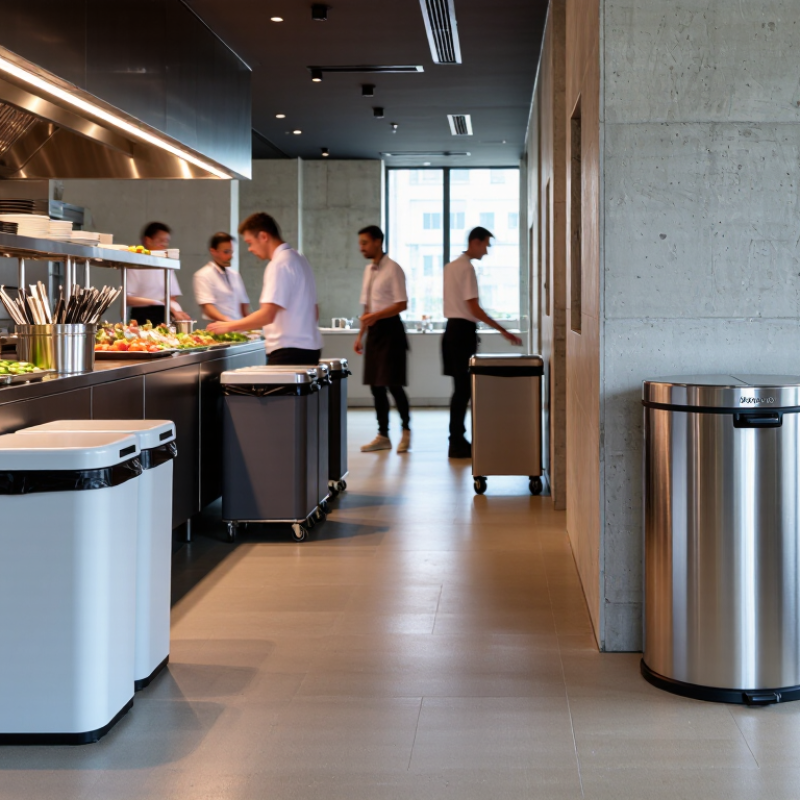
Choosing the right Commercial Trash Cans is not simply a matter of buying the largest container available. The decision affects hygiene, workflow, employee safety, appearance, and long-term operating costs. A busy restaurant may need narrow, lidded cans near preparation areas, while an office lobby may require stainless steel units with quiet-closing lids. Placement matters, too. A container hidden behind a door can become an overflowing problem before anyone notices.

Waste archaeologist William Rathje once said, “Garbage is a mirror of society.” His observation remains useful for commercial facilities. The waste inside a can reveals how people work, what they consume, and where systems fail. Therefore, selection should begin with real observations. Measure daily waste volume. Note wet materials, sharp edges, odors, and collection frequency. Watch how employees move around the container during busy periods.

Material and capacity deserve careful comparison. Heavy-duty plastic resists dents and moisture, while galvanized steel can suit demanding service areas. Touch-free lids may improve sanitation, but they also require batteries and maintenance. Wheels help with movement, although poorly designed casters can create noise and instability. No bin is perfect. I have seen attractive containers become impractical because their openings were too small for ordinary liners. The best choice balances durability, accessibility, cleaning needs, liner fit, and the facility’s local safety requirements. This guide will examine those details closely, helping buyers choose Commercial Trash Cans based on evidence rather than appearance alone.
How to Choose the Right Commercial Trash Cans?

Define the Needs of Your Commercial Space

Choosing commercial trash cans starts with the space, not the catalog.

Walk through the area during its busiest hour. Note where employees eat, customers wait, and deliveries arrive. A small office kitchen may need separate containers for general waste, recyclables, and food scraps. A busy café needs larger capacity and faster access. The first estimate is often wrong.

The World Bank’s What a Waste 2.0 report estimates that global municipal waste reached 2.01 billion tonnes annually. It also reports that at least 33% is not managed safely. The U.S. Environmental Protection Agency recorded 292.4 million tons of municipal solid waste in 2018, or about 4.9 pounds per person daily. These figures include many waste sources, not only commercial buildings. Still, they show why volume planning matters.

Measure daily waste for one week. Record container fullness, collection timing, and overflow points. Then estimate peak demand, not average demand. A 32-gallon container may suit a quiet office but fail beside a lunchroom on Friday. Use hands-free openings in food areas, and choose narrow units for crowded corridors. Place recycling containers beside trash containers. Otherwise, convenience usually wins.

Think about cleaning too. Smooth interiors, removable liners, and sealed lids reduce unpleasant maintenance. Appearance matters, but function matters more. I have seen attractive cans placed too far from the waste source. They looked professional and performed poorly. Recheck the layout after two weeks. Real behavior reveals what the floor plan misses.

How to Choose the Right Commercial Trash Cans? - Define the Needs of Your Commercial Space

Commercial Space Typical Waste Profile Recommended Capacity Recommended Opening or Lid Useful Features Placement Guidance
Small Office Paper, packaging, food containers, and general desk waste 20–32 gal (76–121 L) Open top or swing top for low-to-moderate traffic Removable liner, rounded corners, easy-clean interior Place near break rooms, printers, and shared work areas
Large Office or Call Center High-volume paper, disposable foodware, and mixed recyclables 32–44 gal (121–167 L) Wide opening with separate recycling and waste streams Color-coded labels, bag retention ring, locking casters Use centralized collection stations to reduce scattered bins
Restaurant Dining Area Food scraps, cups, napkins, trays, and liquid residue 32–44 gal (121–167 L) Large self-closing or push-door opening; liquid-resistant design Leak-resistant liner, smooth surfaces, odor-control lid option Position near exits or tray-return points without blocking circulation
Commercial Kitchen Wet organic waste, food preparation scraps, and packaging 32–64 gal (121–242 L) Tight-fitting lid for back-of-house use; hands-free operation preferred Heavy-duty wheels, corrosion-resistant body, washable liner Keep away from food-contact surfaces and maintain a clear cleaning route
Retail Store Light packaging, receipts, customer waste, and small food containers 20–44 gal (76–167 L) Slim opening or hooded lid for customer-facing areas Neutral appearance, stable base, concealed liner Select a footprint that preserves aisle and entrance clearance
School or Childcare Facility Paper, food waste, drink containers, and general refuse 20–44 gal (76–167 L) Restricted opening to reduce hand contact and accidental access Rounded edges, tip resistance, durable non-porous surfaces Avoid sharp projections and keep containers out of evacuation paths
Healthcare or Laboratory Area General non-regulated waste, packaging, and disposable supplies 10–32 gal (38–121 L) Hands-free lid; use dedicated containers for regulated waste Smooth disinfectable surfaces, foot pedal, secure lid Follow facility waste-segregation procedures and local regulations
Outdoor Commercial Area Food packaging, beverage containers, litter, and weather exposure 32–64 gal (121–242 L) Rain-resistant hood or covered opening UV-resistant material, weighted base, drainable design Anchor or weight the unit where wind, animals, or public traffic are concerns
Selection Rule: Choose capacity according to daily waste volume, collection frequency, available floor area, cleaning requirements, and the type of waste generated. Capacity ranges are practical planning guidelines; actual requirements vary by occupancy and service schedule.

Compare Trash Can Sizes, Capacities, and Placement Options

How to Choose the Right Commercial Trash Cans?

Commercial waste planning starts with volume, not appearance. The U.S. EPA reported 292.4 million tons of municipal solid waste in 2018, or 4.9 pounds per person daily. That figure varies sharply by workplace type, staffing, and collection schedule. A small office may manage well with 20- to 32-gallon cans. Busy kitchens, retail floors, and event areas often need 44- to 64-gallon containers. Outdoor service areas may require 96-gallon carts, especially when pickups occur less frequently.

Measure the waste produced during your busiest three days. Do not rely only on average days. I have seen attractive 32-gallon cans overflow before a weekend, while larger cans remained half-empty elsewhere. That is inefficient. Capacity should match both waste volume and emptying frequency. A simple audit can record bag counts, fill levels, and contamination from food or liquids. The U.S. EPA’s Sustainable Materials Management reports support using measurement before changing waste systems.

Placement changes behavior. Put compact cans under desks only where individual disposal is necessary. Centralized stations work better in corridors, break rooms, and shared workspaces. Pairing landfill, recycling, and organics containers can reduce guesswork, but unclear labels still cause mistakes. Keep outdoor cans near entrances, loading points, and food-service exits, while preserving pedestrian clearance and emergency access. Containers should also resist tipping, rain, and strong odors. Sometimes the perfect placement is only perfect on paper; review it after cleaning staff and employees use the space.

Select Materials and Designs for Durability and Hygiene

How to Choose the Right Commercial Trash Cans?

Commercial trash cans face constant contact, moisture, and rough handling. Material choice therefore affects both service life and hygiene. Stainless steel resists corrosion and offers a smooth, washable surface. It suits kitchens, hospitals, offices, and busy public areas. High-density polyethylene is lighter and handles dents well. Powder-coated steel can look professional, but damaged coating may expose metal to rust. Ask suppliers about wall thickness, weld quality, and replacement parts. Do not judge durability by appearance alone. Durability needs evidence.

Hygiene depends on more than frequent emptying. Choose cans with rounded corners, sealed joints, and removable inner liners. These details reduce hidden residue and simplify cleaning. Foot pedals support hands-free disposal in food service and healthcare settings. Touchless sensors may improve hygiene, but they require batteries and regular testing. Lids can control odors, yet poorly fitted lids may trap moisture. Professional cleaning protocols favor surfaces that staff can disinfect without excessive scrubbing.

During facility inspections, observe how workers actually use the cans. I once selected a polished container that looked excellent, but its narrow opening caused spills. The design was attractive, not practical. Now I check opening size, stability, liner access, and cleaning time before purchase. Place cans away from food preparation surfaces, and keep them easy to reach. Inspect pedals, hinges, wheels, and seals weekly. Replace cracked liners promptly. Record recurring problems, even minor ones. Small failures often reveal a design mismatch.

Evaluate Features for Safety, Accessibility, and Easy Maintenance

How to Choose the Right Commercial Trash Cans?

Safety begins with movement, not appearance. Choose cans with stable bases, rounded edges, and lids that open without sudden resistance. In facility inspections, I have seen poorly placed bins block exits, narrow walkways, and create wet-floor hazards. A durable container still fails if staff must drag it across uneven flooring. Locking casters can help, but they need regular testing.

Accessibility deserves equal attention. The 2010 ADA Standards specify that operable parts should generally sit between 15 and 48 inches above the floor. Select openings that users can reach without twisting, lifting, or touching contaminated surfaces. Pedal mechanisms may improve hygiene, but they can become difficult for users with limited mobility. That trade-off needs honest review.

Maintenance affects both hygiene and labor time. The U.S. Environmental Protection Agency reported 292.4 million tons of municipal solid waste generated in 2018, or about 4.9 pounds per person daily. High-use areas therefore need removable liners, smooth interiors, and corrosion-resistant finishes. Check whether cleaning tools can reach corners. Check the lid seal, too. A bin that hides residue is not truly easy to maintain. I once assumed heavier construction meant better quality; that judgment was incomplete. Test the empty and full container before purchase, because daily handling reveals problems that product sheets often miss.

Match Waste Containers to Budget and Facility Requirements

How to Choose the Right Commercial Trash Cans?

Match Waste Containers to Budget and Facility Requirements

Commercial trash cans should fit the building, not just the purchasing budget. A low-cost container may crack, tip, or require frequent liner changes. That creates hidden expenses during daily operations. A small office may need compact bins beneath desks and one larger unit near the break room. A busy kitchen needs washable, sturdy containers with tight-fitting lids. Measure twice. Details matter.

Walk through the facility before ordering. Note doorway widths, elevator limits, floor surfaces, collection points, and cleaning routines. A wheeled container can reduce strain across long corridors, but it may be excessive for a quiet reception area. Check whether lids block cabinet doors or interfere with narrow walkways. These details often appear after installation, when changes become expensive.

Build the budget around the full service life. Include liners, replacement parts, cleaning time, delivery, and staff handling. I once underestimated liner use in a shared workspace. The container price looked reasonable, but the monthly supply cost was not. A better estimate combines weekly waste volume with pickup frequency. Choose durable materials for heavy traffic zones, while reserving simpler units for low-use rooms. Leave room for accessibility, ventilation, and local facility requirements. Reassess after several weeks, because real waste patterns rarely match the original estimate.

Certified Quality System

© North Easton Machine Company, Inc. All rights reserved. • Site: Blog
NORTH EASTON MACHINE • 218 Elm Street • North Easton, MA 02356 • 508-238-6219