
How to Choose the Best Maize Mill Machine?

Choosing a Maize Mill Machine is not just a matter of comparing prices or motor power. The right choice depends on the grain you process, your expected daily output, and the flour your customers actually want. A small farm serving nearby shops has different needs from a commercial mill running long shifts. Get those details clear before reviewing equipment.

Start with capacity, but check how it is measured. Ask whether the stated figure refers to maize input or finished flour, and request a demonstration using grain similar to yours. Moisture, kernel size, and cleanliness can affect both throughput and flour quality. A sample run can reveal what a brochure cannot. Pay attention to the sound of the machine, the consistency of the flour, and how easily operators can reach parts that need cleaning.

Power supply, available floor space, spare-part access, and operator training matter too. A machine that performs well in ideal conditions may be difficult to maintain at a remote site. Compare the milling system, screen options, dust control, warranty terms, and routine maintenance requirements. Ask the supplier for written specifications and references from mills with similar workloads. A polished specification sheet can still leave important questions unanswered. Sometimes, buyers focus too heavily on output and overlook downtime costs. That is an easy mistake to make.

The best Maize Mill Machine is the one that fits your real operating conditions, not simply the largest model within budget. Use this guide to assess key features, compare machine types, and prepare practical questions for suppliers. Leave room for trial results. A little caution now can prevent an expensive mismatch later.
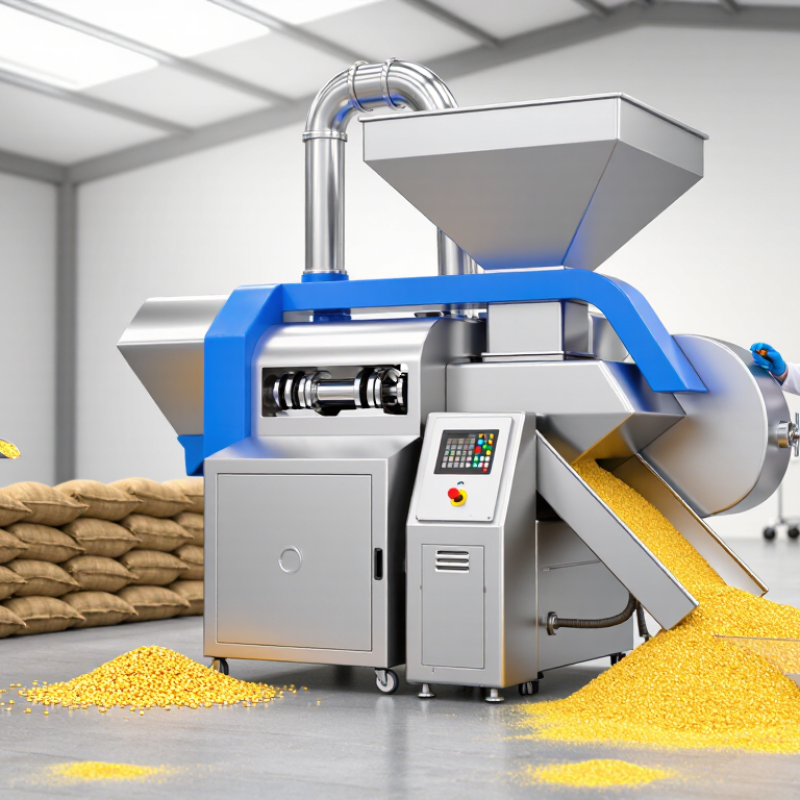
How to Choose the Best Maize Mill Machine?

Understanding Maize Mill Machines and Their Main Types

Understanding Maize Mill Machines and Their Main Types

A maize mill reduces kernels into flour, meal, or grits. The right machine depends on the product, daily throughput, and available power. FAOSTAT records roughly 1.16 billion tonnes of maize production worldwide in 2022. That scale matters. Even small differences in milling efficiency can affect substantial volumes across a supply chain.

Hammer mills use fast-moving hammers to break kernels against a screen. They are versatile, and changing the screen can alter particle size. Plate or disc mills grind through friction between grooved surfaces. They often suit small operations, though wear and heat need attention. Roller mills use paired rollers to crack or flatten kernels with more controlled particle sizes. They are common in larger, multi-stage plants. Not every setup needs one.

Dry milling makes meal, flour, or grits without steeping the grain. Wet milling first soaks kernels, then separates components such as starch and protein. These are processing routes, not simply machine labels. The FAO’s maize production data describes a vast raw-material supply, but it cannot tell you which mill fits your site. Check kernel moisture, screen availability, cleaning access, and spare-part lead times. A specification sheet rarely shows the whole story.

Defining Your Milling Needs, Capacity, and Intended Products

Choosing a maize mill begins with the work it must do, not its advertised output. Will you produce whole-grain meal, fine flour, grits, or several products? Each requires different settings and may need different screens or milling stages. A coarse meal for porridge behaves differently from fine flour used in baking. Dust matters.

Estimate how much maize you will process in a normal day, then consider peak demand. A machine rated for a certain hourly capacity may perform differently with damp grain, uneven kernels, or frequent stops. Ask how capacity was measured and what grain condition the figure assumes. Leave room for cleaning and maintenance; a mill that runs nonstop on paper may not suit a small team.

Think through the full routine. Where will grain enter, and where will finished meal collect? Check the space for storage, power supply, ventilation, and safe access for cleaning. If possible, test a sample of your maize and inspect the texture, temperature, and consistency of the output. Test it first.

I would also compare the machine’s adjustment range with the products you actually plan to sell or use. It is easy to overestimate future demand, and I have seen capacity become an expensive distraction when product needs were never clearly defined. A written production estimate, even a rough one, helps expose those assumptions.

Comparing Machine Performance, Features, and Energy Efficiency

How to Choose the Best Maize Mill Machine?

Compare machines under the same conditions. Ask for measured output using maize with moisture levels similar to your supply. A high capacity figure can be misleading if it assumes perfectly dry, clean grain. Measure the output. Check the fineness and consistency of the meal, too. Coarse particles or excess heat may affect product quality. That matters.

Look beyond the motor’s rated power. Compare energy use per tonne of finished meal, not just kilowatts on a nameplate. Ask whether the test includes feeding, sieving, and other connected equipment. A machine that looks efficient on paper can disappoint when grain is damp or uneven. No specification sheet tells the whole story. If possible, inspect a test run and note noise, vibration, dust control, and how quickly operators can clear a blockage.

Useful features should support your actual workload. Adjustable screens, accessible wear parts, and straightforward cleaning can reduce downtime. Check how often components need replacement and whether routine maintenance requires special tools. Small details count. Record output, energy use, and meal quality during a trial, then compare the results across machines. One limitation: a short test may not reveal performance after hours of continuous operation.

How to Choose the Best Maize Mill Machine? - Comparing Machine Performance, Features, and Energy Efficiency

Mill Type Grinding Method Typical Throughput Range* Particle Size and Product Energy Efficiency Key Advantages Considerations Best Suited For
Hammer Mill Rotating hammers impact kernels against a screen; particle size is influenced by screen openings and feed rate. About 0.1–5 tonnes per hour, depending on mill size and setup. Can produce coarse meal through fine flour; a screen is usually needed to control the size distribution. Moderate. Fine grinding and small screen openings generally require more energy per tonne. Versatile, straightforward to operate, and suitable for dry grain and a wide range of particle sizes. Can generate heat and dust. Screens and hammers wear and require inspection or replacement. Feed production, general-purpose milling, and operations needing adjustable grind size.
Plate or Disc Mill Grain is sheared and crushed between grooved or textured rotating plates. About 0.05–1 tonne per hour, depending on plate diameter, motor power, and grain condition. Typically produces meal or flour; the gap between plates helps adjust fineness. Moderate. Performance depends on plate condition, gap setting, and desired fineness. Compact design and relatively simple adjustment; practical for small-scale processing. Plates wear over time, and excessive tightening can increase heat, wear, and power use. Small mills, farms, and local processing operations with modest throughput needs.
Roller Mill One or more pairs of rollers crack, shear, or compress kernels as they pass through a set gap. About 0.5–10 tonnes per hour for commercial systems; capacity varies widely by roller configuration. Can make relatively uniform grits or meal; multi-stage systems can produce different fractions. Often efficient for controlled cracking or grits production. Fine flour production may require additional stages. Consistent particle size and good control over cracking; well suited to continuous operation. Roller gaps and surfaces need adjustment and maintenance; equipment may be more complex than small mills. Commercial processing where consistent output and higher throughput are priorities.
Stone Mill Kernels are ground between stationary and rotating millstones. About 0.02–0.5 tonne per hour, depending on stone diameter, motor power, and feed rate. Often produces whole-grain meal or flour; fineness depends on stone spacing and operating speed. Variable. Lower throughput and fine settings can increase energy use per tonne. Can retain the whole grain, including bran and germ, when the process is configured accordingly. Usually slower than higher-capacity systems; stones need care and correct alignment. Small batches, specialty whole-grain products, and low-throughput processing.

*Throughput figures are broad indicative ranges, not guaranteed machine ratings. Actual capacity and energy use depend on motor power, maize moisture and hardness, feed rate, screen or roller settings, target particle size, and maintenance condition. Compare machines using the same grain and finished-product specification, and request measured capacity and power-consumption data for the intended operating conditions.

Assessing Durability, Safety, Maintenance, and Operating Costs

A maize mill should suit the grain, workload, and working conditions where it will operate. Check the frame, milling chamber, and fasteners for sturdy construction, especially if the machine will run for several hours each day. Ask what materials contact the maize and how wear parts can be replaced. A thick housing looks reassuring, but it does not prove that bearings or screens will last. Request maintenance records or a supervised test with maize similar to yours.

Safety deserves a close inspection. Look for fixed guards around belts and moving parts, an accessible emergency stop, and clear instructions for cleaning. Fine maize dust gathers quickly on flat surfaces. Keep the work area ventilated and follow the supplier’s guidance for dust control. Maintenance should be practical, too. Can an operator reach the screens without awkward lifting? Are spare parts available locally? Small delays matter. I would still inspect the machine in person; photographs rarely show vibration or noise.

Compare operating costs over a realistic production period, not just the purchase price. Estimate electricity use, labor, replacement screens, and downtime, then check those figures against your expected output. Ask for measured capacity at the fineness you need, since finer meal can reduce throughput. A machine that runs cheaply on paper may struggle with damp or uneven grain. Keep a simple log of energy use and repairs during a trial, even if the first estimates prove imperfect.

How to Choose the Best Maize Mill Machine?

Assess durability, safety, maintenance, and operating costs before comparing machines.

Illustrative buyer-priority ratings on a 1–5 scale, not measured performance data: 1 = lower priority, 5 = critical. Check actual material specifications, safety features, maintenance requirements, and energy use per tonne against supplier documentation and your operating conditions.

Choosing a Supplier and Confirming Installation and After-Sales Support

How to Choose the Best Maize Mill Machine?

A capable supplier should explain what happens after the purchase, not just quote machine capacity. Ask for a written installation scope covering foundations, power requirements, dust control, operator training, and commissioning tests. The plan should name who handles each task and what happens if a test fails. Small details matter: a missing cable or poorly aligned belt can delay a start-up.

Check the after-sales terms before signing. Ask how quickly technicians respond, which spare parts are stocked locally, and whether remote troubleshooting is available. Request contact details for two recent customers with similar mills. FAO’s 2023 report on food and agriculture-related SDG indicators estimated that 13.2% of food was lost globally between harvest and retail in 2021. This is not a maize-mill downtime figure, but it underlines why reliable handling and prompt support matter. A polished proposal can still miss a detail.

Tips: Put service response times, training hours, warranty scope, and spare-part lead times in writing. Ask the supplier to run a sample batch during commissioning, then record output, flour texture, and power use. Keep the test notes. They may reveal more than a brochure.

Certified Quality System

© North Easton Machine Company, Inc. All rights reserved. • Site: Blog
NORTH EASTON MACHINE • 218 Elm Street • North Easton, MA 02356 • 508-238-6219