
How to Choose the Best Intensive Mixer for Your Needs?
Choosing the right Intensive mixer for your specific needs can be a daunting task. With various options available, making a decision requires careful consideration. An intensive mixer is essential in industries like food processing and pharmaceuticals. It combines ingredients effectively and improves product quality.
When evaluating an intensive mixer, industry experience and expertise play a crucial role. Understand your production volume and consistency requirements. Reflect on the mixer’s capabilities. Are you mixing powders or liquids? Each type may require a different model. The ideal choice enhances efficiency and reduces waste.
It's vital to explore the manufacturer’s reputation. Look for models backed by reliable research and user reviews. Some options may promise high performance but fall short during operation. Take the time to assess your needs and compare features. This process will lead you to an intensive mixer that suits your production goals perfectly.
Understanding Intensive Mixers and Their Applications
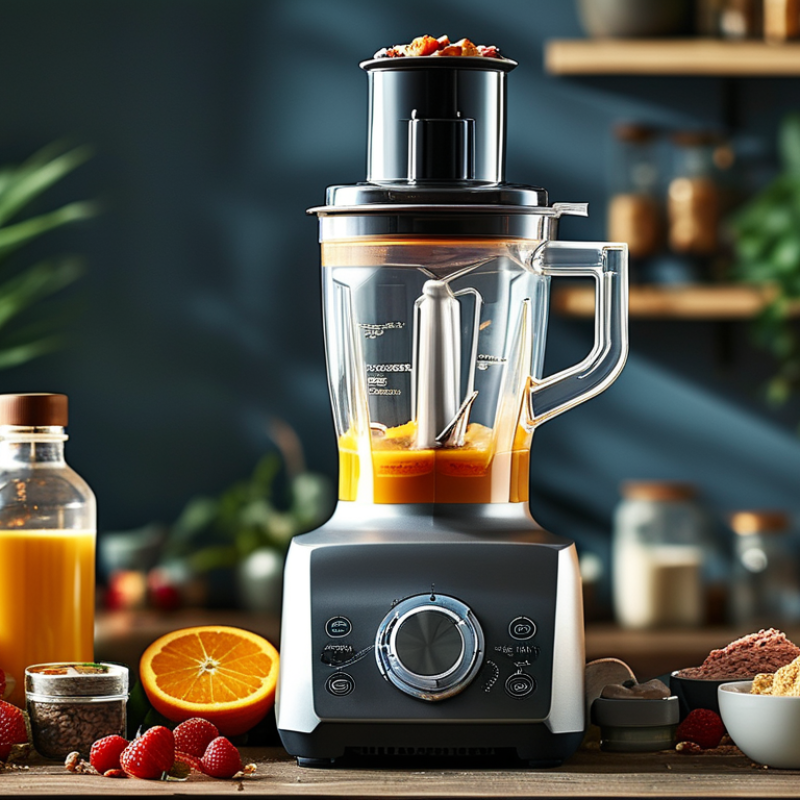
Intensive mixers play a crucial role in various industries, from food production to chemical processing. Understanding their applications helps you select the right mixer for your needs. These mixers are designed to combine materials thoroughly. They are especially effective for viscous and dense substances. The right machine can enhance your product quality and efficiency.
When choosing an intensive mixer, consider what materials you’ll be processing. Your choice may depend on the viscosity, density, and volume of the substances involved. Different mix designs offer unique advantages. Some mixers excel at blending dry ingredients, while others tackle wet mixtures with ease.
Tips: Look for a mixer that provides uniformity. An even mix can significantly impact the final product. Think about maintenance needs too. Less frequent maintenance can save time and money. Always evaluate how user-friendly the controls are.
Innovative features may sound appealing, but ensure they meet your specific requirements. Don’t settle for the latest model without assessing its capability for your tasks. Balancing technology and practicality should guide your decision. A well-chosen intensive mixer can transform your production process for the better.

Key Features to Look for in an Intensive Mixer
Choosing the right intensive mixer involves understanding its key features. First, consider the mixer’s capacity. Industrial reports indicate that sizes range widely from small lab mixers to large-scale machines, accommodating various production needs.
Another critical feature is the mixing speed. Depending on the ingredients, speeds can determine the consistency and quality of the final product. For example, higher speeds can lead to over-mixing, affecting texture. Balance is essential.
Tip: Assess your ingredient types. Sticky or dry ingredients may require different speeds and configurations.
Energy efficiency is also key. According to recent industry studies, energy-efficient models can reduce operational costs significantly while maintaining performance. However, these mixers might have a higher upfront cost, which requires careful budgeting.
Lastly, ease of cleaning can’t be overlooked. A machine that's tough to clean may lead to increased downtime. Design matters here. Look for mixers with accessible parts and smooth surfaces.
Tip: Evaluate the cleaning process before purchase. A simpler design can save time.
Understanding these features will help you make a well-informed decision. Always consider your specific needs and production goals to find the optimal mixer for your situation.
Assessing Your Mixing Needs and Volume Requirements
When selecting an intensive mixer, understanding your mixing needs and volume requirements is essential. An industry report from the Mixing Equipment Association indicates that over 75% of companies face challenges in meeting product consistency due to improper mixing equipment. Assessing the specific materials you need to mix is critical. Different materials require different mixer configurations.
Tip: Evaluate the viscosity of your materials. This allows for better matching of mixer capabilities. If you're working with high-viscosity substances, a high-shear mixer is often recommended. Conducting small batch tests before full-scale production can reveal potential mixing issues.
Moreover, consider the volume of materials you typically process. A report by Process Equipment Manufacturer suggests that mixers have a performance curve that changes with volume. Selecting a mixer that handles your peak volume can prevent bottlenecks during busy production times.
Tip: Look into expansion capacity. As production grows, having a mixer that can scale efficiently is valuable. A mixer that meets today’s needs might not be adequate tomorrow. Always reflect on your future requirements to avoid recurring equipment upgrades.
Mixing Needs and Volume Requirements for Intensive Mixers
Comparing Different Brands and Models of Intensive Mixers
When choosing an intensive mixer, comparing different models is crucial. Each brand offers various features that cater to specific mixing needs. Look for mixers with multiple speed settings. This allows for better control over the mixing process. A machine with a robust motor can handle thicker mixtures. Reliable power ensures consistent performance during intensive tasks.
Consider the capacity of the mixer. Some models are built for large batches, while others are ideal for smaller quantities. If you work in a commercial kitchen, a high-capacity mixer might be necessary. Conversely, a compact design could suit home bakers. Review user manuals and specifications to fully understand each model's capabilities.
Keep in mind the importance of ease of use. A complicated interface may lead to errors. Clear labeling and intuitive controls make a mixer more user-friendly. It's also wise to check customer reviews. They can shed light on the longevity and performance of the machine. Reflecting on feedback can help fine-tune your choice. Ultimately, the right mixer should align with your specific mixing requirements and comfort level.
How to Choose the Best Intensive Mixer for Your Needs? - Comparing Different Brands and Models of Intensive Mixers
| Model | Capacity (Liters) | Power (kW) | Mixing Speed (rpm) | Material Type | Weight (kg) | Price ($) |
|---|---|---|---|---|---|---|
| Model A | 100 | 7.5 | 150 | Stainless Steel | 250 | 1200 |
| Model B | 75 | 5.5 | 120 | Aluminum | 200 | 900 |
| Model C | 50 | 4.0 | 100 | Plastic | 150 | 600 |
| Model D | 120 | 8.0 | 180 | Carbon Steel | 300 | 1500 |
Budget Considerations for Purchasing an Intensive Mixer
When considering the purchase of an intensive mixer, budget plays a crucial role. Industry reports indicate that the average investment for a reliable mixer ranges from $10,000 to $50,000. However, prices vary significantly based on size, capacity, and features. A high-quality model may offer greater efficiency and durability, ultimately saving money in the long run.
One important aspect is to assess operational costs. A mixer with higher energy efficiency can reduce utility bills. According to recent data, energy-efficient mixers can save up to 30% in energy costs annually. Consider the mixer’s maintenance requirements as well; some models require less upkeep, which may offset initial costs over time.
**Tips:** Look for mixers with flexible configurations. This allows for future adjustments without large investments. Also, evaluating used or refurbished models can reveal excellent savings. Always factor in potential downtime and repair costs when making your decision. Balancing upfront costs with long-term value is essential for an informed purchase.
Article Source:
NORTH EASTON MACHINE • 218 Elm Street • North Easton, MA 02356 • 508-238-6219