
How to Choose the Best Drain Camera for Your Needs?
Choosing the right Drain Camera can be daunting. With several options available, each offering unique features, making an informed decision is crucial. A drain camera is essential for inspecting plumbing systems effectively. It allows homeowners and professionals to identify blockages and damage that may not be visible otherwise.
When assessing a drain camera, consider your specific needs. Think about the size and type of pipes you will inspect. The camera's resolution matters too. High-resolution cameras reveal more detail, helping to identify issues precisely. Don't overlook the camera's length and flexibility. A well-designed camera can navigate tricky bends in plumbing.
In today's market, many options promise excellent performance. However, the real challenge lies in selecting the right one. Reading reviews can help gauge reliability and effectiveness. It's also wise to consider warranty and customer service support. Investing in the right drain camera involves reflecting on these factors. A thorough search leads to better decision-making and ultimately saves time and money in plumbing maintenance.
Understanding the Basics of Drain Cameras and Their Functionality
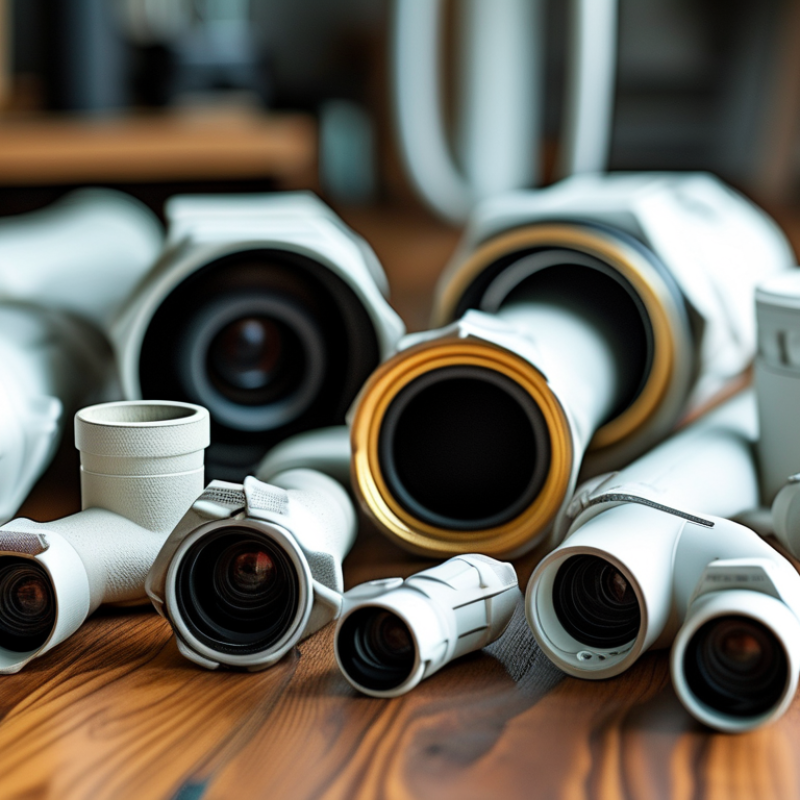
When selecting a drain camera, it’s essential to understand how it works. These specialized cameras are designed to inspect drain pipes, helping you identify clogs and damages. They can navigate tight spaces and provide clear images of the pipe’s interior. The functionality relies on a flexible cable that transmits real-time video. This feature is crucial for effective inspections.
Many users overlook the importance of resolution. A camera with high-definition capabilities will provide clearer images, making it easier to spot issues. The size and length of the camera cable also matter. Longer cables can reach deeper areas of your plumbing system. Consider a camera with adjustable lighting, as dark pipes can obscure visibility. These details enhance the effectiveness of your inspections.
However, it's important to recognize limitations. Not all cameras can tackle difficult bends or large obstructions. Some users may find themselves disappointed when the camera cannot reach a specific area. Regular maintenance of the equipment is also vital to prevent malfunctions. Taking time to learn about your drain camera's functions will enhance your inspection process.

Key Features to Consider When Choosing a Drain Camera
When selecting a drain camera, several features require careful consideration. One key aspect is the camera's resolution. A higher resolution allows for clearer images, enabling faster identification of issues. According to recent industry studies, cameras with at least 1080p resolution are becoming standard for professional use. These cameras can detect problems as small as 1 millimeter, which traditional tools often miss.
Another important factor is the camera's durability. Opting for a model with water and impact resistance is crucial for longevity. Many professionals suggest that cameras with an IP68 rating provide the best protection against dust and water damage. Furthermore, cable length can significantly influence usability. A length of at least 50 feet is advisable for accessing deeper pipes.
**Tip:** Always consider investing in a camera with adjustable LED lights. These lights enhance visibility in dark spaces, which can prevent misdiagnosis of issues.
Finally, check the camera's compatibility with other devices. This ensures you can easily share data and images with clients or colleagues. A user-friendly interface can also improve efficiency on the job. Despite the advancements, keep in mind that not all cameras perform equally in different conditions, so real-world testing can be beneficial.
Drain Camera Features Comparison
Comparison of Different Types of Drain Cameras Available
When selecting a drain camera, it's crucial to understand the available types and their specific uses. The two main categories are push cameras and crawler cameras. Push cameras are typically portable and require manual guidance. They are ideal for smaller pipe systems, allowing operators to inspect tight spots with ease. Crawler cameras, on the other hand, are equipped with tracks and can navigate larger pipes independently. This option is better for extensive drainage systems.
Another aspect to consider is the camera's resolution. Higher resolution cameras provide clearer images, enabling better diagnosis of issues. Some models also offer features like live streaming and built-in recording capabilities. These functionalities enhance the inspection process, making it easier to document problems for future reference. However, more advanced options often come with a higher cost.
Lastly, consider the camera's size and flexibility. A smaller camera can access narrower pipes, but it may compromise on image quality. Investigate different models carefully. Read user reviews to gauge effectiveness. Always prioritize reliability and professional feedback when making your choice. Balancing your specific needs with the camera's capabilities is essential for effective drainage inspection.
Evaluating Your Specific Needs and Requirements for a Drain Camera
Choosing the right drain camera is essential for effective plumbing maintenance. Understanding your specific needs can simplify this process. First, consider the size and type of pipes you’ll be inspecting. A drain camera with a smaller diameter can navigate tight bends effectively. According to industry reports, 76% of plumbing professionals recommend a camera with a variable size range to accommodate different conditions.
Evaluate the camera’s resolution. A high-resolution image can help identify clogs or pipe damage more accurately. Data indicates that 85% of successful plumbing resolutions come from clear visuals. Ensure the camera is equipped with good lighting. Bright LEDs illuminate dark spaces, revealing hidden problems.
The ease of use is another crucial factor. Look for features that simplify operation, such as a wireless connection or user-friendly controls. Often, professionals report frustration with complex setups. It’s essential to balance features with your comfort level. Reflect on past experiences and how they could influence your choice.
Budget Considerations: Finding an Affordable Yet Effective Drain Camera
When selecting a drain camera, budget is crucial. Many options exist that do not break the bank. A well-priced camera can still provide reliable results. However, balancing cost with features requires careful thought. You may find cameras with basic functionalities for under $100. These often yield decent images for minor blockages.
Consider these tips when choosing a drain camera. Do your research and read user reviews to gauge performance. Investigate warranties, which reveal the manufacturer's confidence in their product. Additionally, assess essential features like cable length and image quality. A camera with a longer cable allows you to reach deeper into the system.
You may encounter cameras that seem appealing but lack durability. Don’t let flashy promotional tactics mislead you. Look for models with solid construction. This attention to detail can save you money in the long run. Remember, investing in a reliable tool often pays off when dealing with stubborn clogs.
How to Choose the Best Drain Camera for Your Needs? - Budget Considerations: Finding an Affordable Yet Effective Drain Camera
| Camera Type | Resolution | Cable Length | Price Range | Features |
|---|---|---|---|---|
| Compact Drain Camera | 720p | 30 ft | $50 - $100 | Waterproof, LED lights |
| Professional Drain Camera | 1080p | 100 ft | $200 - $400 | Clear imaging, adjustable focus |
| Budget Drain Camera | 640p | 20 ft | $30 - $60 | Basic features, portable |
| Wireless Drain Camera | 1080p | 50 ft | $150 - $250 | Wi-Fi connection, easy sharing |
Article Source:
NORTH EASTON MACHINE • 218 Elm Street • North Easton, MA 02356 • 508-238-6219