
How to Choose the Right Conveyor Belt Rollers for Your Needs?

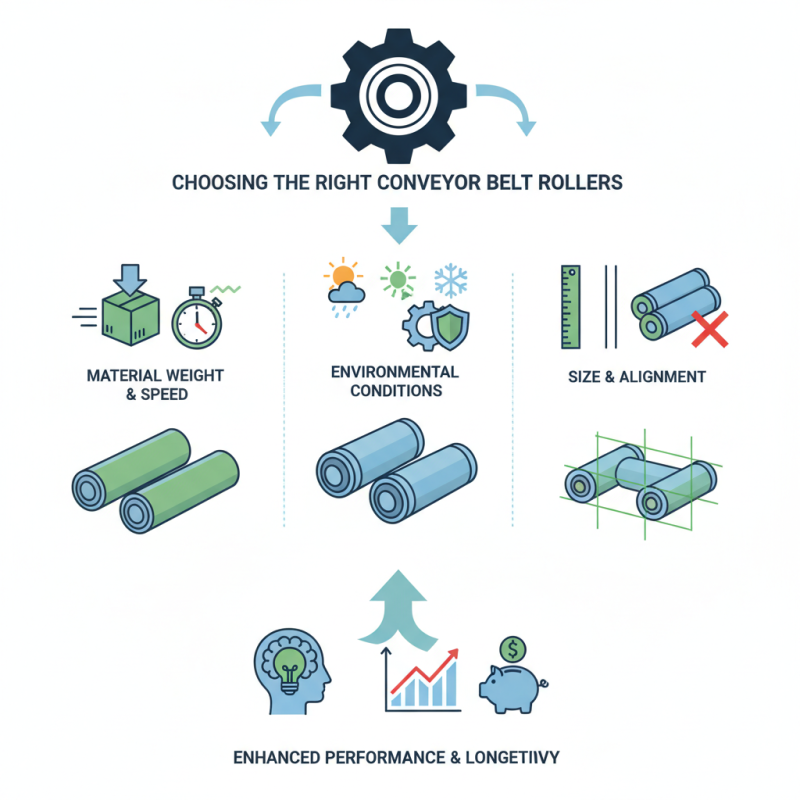
Choosing the right conveyor belt rollers is crucial for any industrial operation. These components play a significant role in the efficiency of material handling processes. Selecting the appropriate rollers can enhance performance and longevity. Missteps in this process can lead to downtime and increased costs.

When evaluating conveyor belt rollers, consider various factors. The weight of your materials, the speed of operation, and the surrounding environment are all important. Rollers must withstand harsh conditions. Not selecting durable options can lead to frequent replacements. This not only strains finances but also disrupts workflow.

Furthermore, size and alignment matter. A poorly aligned conveyor can cause uneven wear on rollers. This might seem minor but can escalate into major issues. Reflecting on past mistakes can guide future choices. Investing time in understanding your specific needs can prevent costly errors.
How to Choose the Right Conveyor Belt Rollers for Your Needs?

Understanding the Different Types of Conveyor Belt Rollers

When selecting conveyor belt rollers, it’s essential to understand the different types available. Rollers come in various sizes and materials. Common types include drive rollers, return rollers, and tensioning rollers. Each serves a unique purpose in the conveyor system. For instance, drive rollers help in moving the belt forward. They are crucial for efficiency.

Return rollers are vital as well. They support the belt during its return journey. Choosing the right roller affects the entire system’s performance. The material of the roller can impact its durability. Steel rollers are robust but heavier. Plastic rollers are lighter, yet they have limitations.

Consider your specific needs carefully. Reflect on the weight and speed requirements. Sometimes, a combination of roller types is best. A mismatch can cause issues like belt misalignment or excessive wear. Testing different configurations may reveal the most efficient setup. Make sure to analyze operational conditions to avoid setbacks.

Comparison of Different Types of Conveyor Belt Rollers

Evaluating Material and Durability Requirements for Rollers

When selecting conveyor belt rollers, material choice is critical. Different materials offer various benefits. For instance, steel rollers are durable and great for heavy loads. However, they may not be suitable for corrosive environments. On the other hand, plastic rollers can resist chemicals but might wear out faster under heavy use.

Durability is another key consideration. Rollers should endure the stresses of daily operations. Look for options that resist abrasion and impact. Inspecting the roller's surface quality is essential. This can prevent premature failure. A roller with minor defects can lead to significant issues down the line.

It's not just about the material and durability. The environment plays a role too. Extreme temperatures or humidity can affect performance. Often, companies overlook how these factors impact their equipment. Reflecting on these aspects ensures better longevity and efficiency in operations.

How to Choose the Right Conveyor Belt Rollers for Your Needs?

Material Type Durability Rating Temperature Resistance Weight Capacity (lbs) Maintenance Requirement
Steel High -40°F to 200°F 3000 Low
Aluminum Medium -20°F to 150°F 2000 Medium
Plastic Low 0°F to 120°F 1500 High
Rubber Medium -10°F to 170°F 1800 Medium

Assessing Loading Capacity and Weight Considerations

When selecting conveyor belt rollers, assessing loading capacity and weight considerations is crucial. Industries often face specific weight limits. A general guideline suggests that conveyor rollers should handle loads up to 1,500 pounds. However, weight can vary significantly based on material types and roller design.

Calculating the total weight that each roller must bear is essential. According to industry reports, miscalculating this can lead to unanticipated failures. For example, if a roller rated for 800 pounds is overloaded, its lifespan may diminish dramatically. The stress can lead to bending or breakage, which can halt operations. Downtime is costly.

Another aspect to consider is roller spacing. If rollers are placed too far apart, increased weight on each can cause lateral movement. This instability can result in damage to both the roller and the conveyor belt. Reports indicate that maintaining appropriate roller spacing can reduce failure rates by up to 30%. It's important to strike a balance between load capacity and operational efficiency. Regular inspections and adjustments are necessary for optimal performance.

Analyzing Environmental Factors Impacting Roller Selection

When selecting conveyor belt rollers, environmental factors play a critical role. The type of material and location can influence roller performance. For instance, a study by the Conveyor Equipment Manufacturers Association (CEMA) indicates that temperature variations can affect roller durability. In extreme cold, materials can become brittle, while high heat can warp roller components. This means you may need to adjust your choices based on the climate.


Humidity also impacts roller selection. High humidity levels can lead to corrosion. According to a report from the National Association of Manufacturers, corrosion can reduce roller lifespan by up to 30%. Choosing rollers with appropriate coatings or materials is essential in such environments. Think about the long-term costs. While initial savings on cheaper rollers may seem attractive, they may lead to higher maintenance and replacement expenses later.


Dusty or abrasive environments pose additional challenges. In these cases, enclosed rollers can offer better protection. The American Society of Mechanical Engineers emphasizes the importance of choosing the right sealing mechanisms to avoid contamination. A suitable design prevents downtime caused by frequent roller replacement. Selecting rollers requires a careful analysis of these various factors to ensure optimal performance and durability.

Determining Maintenance and Replacement Needs for Roller Systems

Regular maintenance of conveyor belt rollers is crucial for optimal performance. According to industry studies, proper upkeep can extend the lifespan of rollers by up to 50%. This means reduced costs and downtime for businesses.

Rollers should be inspected for wear, alignment, and bearing failure, which can significantly impact efficiency.
Replacement is inevitable, and timing is key. Signs like unusual noises or vibrations often indicate issues needing immediate attention. In a survey, over 30% of companies delayed roller replacements, leading to greater operational disruptions. Identifying the right intervals for maintenance can prevent unexpected breakdowns. Keep track of hours of operation and set reminders for checks.

Investing in roller systems is not just about initial choices. The ongoing care and timely replacement are equally vital. Monitoring your equipment’s performance helps maintain optimal output. Emphasize employee training on recognizing early signs of wear. It enhances the entire roller system's reliability.

Certified Quality System

© North Easton Machine Company, Inc. All rights reserved. • Site: Blog
NORTH EASTON MACHINE • 218 Elm Street • North Easton, MA 02356 • 508-238-6219