Why Choose a Corrugated Iron Roofing Sheet Making Machine?
When considering roofing solutions, the importance of robust and reliable materials cannot be overstated. A corrugated iron roofing sheet making machine offers a unique way to produce high-quality roofing sheets. This machine is designed for efficiency. It allows manufacturers to create sheets tailored to specific needs. With its ability to produce varying thicknesses and lengths, it meets diverse market demands.
Investing in a corrugated iron roofing sheet making machine can be a smart decision for businesses aiming to enhance production capabilities. Many users report increased output and reduced waste. However, some may find the learning curve steep. Proper training is essential to maximize the machine's potential. Owners must also consider maintenance and operational costs. These factors play a significant role in the overall return on investment.
Exploring the benefits of this technology sheds light on its value. The durability of corrugated iron roofing can withstand harsh weather conditions. This advantage is a significant factor for builders and homeowners alike. It's not just about production; it's about contributing to long-lasting structures. Therefore, evaluating a corrugated iron roofing sheet making machine is crucial for anyone in the business.
Benefits of Corrugated Iron Roofing Sheets
Corrugated iron roofing sheets are becoming a popular choice in construction. Their durability and cost-effectiveness are significant advantages. According to a recent market report, the demand for iron roofing materials is projected to grow by 4.5% annually. This growth indicates a trend towards more resilient building materials.
One major benefit of using corrugated iron is its longevity. These sheets can last over 50 years with proper maintenance. They are resistant to harsh weather conditions, including extreme heat and heavy rainfall. Furthermore, they require minimal upkeep compared to traditional roofing materials. This durability translates into lower long-term costs for property owners.
Additionally, corrugated iron sheets are lightweight. This feature makes installation faster and easier. Reports show that roofing installers can reduce labor costs by up to 20% using this material. On the flip side, not every property may benefit equally. For example, noise during rainstorms can be an annoying drawback. It’s crucial to weigh these factors before making decisions.
Understanding the Production Process of Roofing Sheet Machines
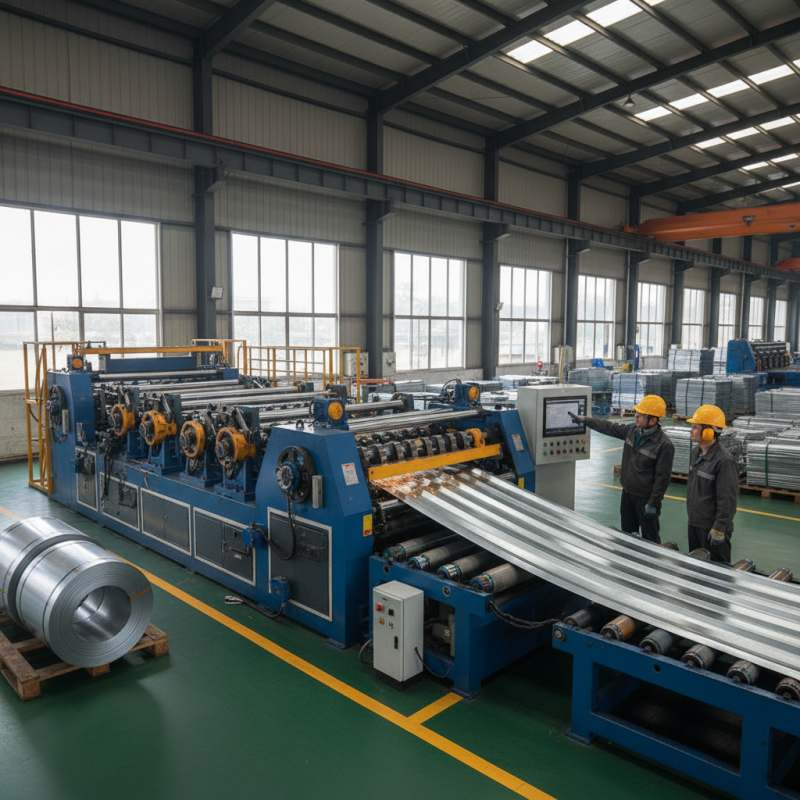
The production process of corrugated iron roofing sheet machines is fascinating. These machines transform raw materials into durable roofing sheets efficiently. The initial step involves feeding steel coils into the machine. This is crucial. If the steel quality is subpar, the final product may not meet industry standards.
After feeding, the machine flattens the coils. Then, it shapes the metal into corrugated profiles. Precision is key here. A report from the International Roofing Association states that approximately 60% of roofing failures stem from poor manufacturing processes. This emphasizes the need for robust equipment. Each sheet produced must endure harsh weather conditions.
Quality control occurs throughout the process. Operators monitor thickness and shape to ensure consistency. However, human error can lead to inconsistencies. Reports indicate that a staggering 30% of roofing materials fail quality tests at some production facilities. This reflects on the importance of trained personnel. Investing in better technology may reduce this rate, but challenges remain. The industry must continually adapt to improve methods and meet growing demands.
Key Features of Corrugated Iron Roofing Sheet Making Machines
Corrugated iron roofing sheet making machines are essential in today’s construction industry. They produce durable, weather-resistant roofing sheets. These sheets are lightweight yet strong, making them a popular choice for various structures. In fact, reports indicate that the global metal roofing market is expected to reach USD 19.9 billion by 2027. This reflects the growing demand for sustainable building materials.
Key features of these machines include high efficiency and automation. Many models operate with minimal human supervision, which reduces labor costs and increases production rates. They can produce varying sheet profiles to meet diverse architectural needs. The machines often incorporate advanced technology for precision cutting and forming. However, it’s important to choose a machine that fits your specific requirements. Not all machines offer the same capabilities.
Tip: When considering a machine, review its energy consumption. High-efficiency machines can save operating costs in the long run. Sometimes, cheaper models may not be the best choice. Also, maintenance is crucial. Keeping the machines running smoothly can prevent costly downtimes. Investing in regular check-ups pays off. It ensures that you maximize production efficiency while minimizing unexpected repairs.
Factors to Consider When Choosing a Machine
When choosing a corrugated iron roofing sheet making machine, several factors play a crucial role. The machine's capacity is important. Consider how much output is needed. A small operation may not require heavy machinery, while larger businesses might. Durability matters too. Machines made from high-quality materials will last longer, saving money in the long run.
Keep an eye on energy efficiency. This can greatly affect operational costs. Machines consuming less energy can provide significant savings over time. Check for user-friendly interfaces. Complicated controls can slow down production. Operators should find the machine easy to use, reducing training time.
Tips: Look for machines with good customer reviews. They can provide insight into performance. Also, consider after-sales support. A reliable service team can make a big difference. Lastly, explore machine versatility. It’s beneficial if one machine can produce different designs.
Applications and Market Demand for Roofing Sheets
The demand for corrugated iron roofing sheets is on the rise. According to a recent industry report, the global roofing materials market is expected to reach $170 billion by 2028. Factors such as urbanization and infrastructure development drive this growth. In developing regions, the need for affordable, durable roofing solutions is critical.
Various industries adopt corrugated roofing sheets for their versatility. Residential, commercial, and agricultural sectors utilize them for shelter and safety. The lightweight nature of these sheets makes them easy to transport and install. Despite their many benefits, the market faces challenges. Fluctuating raw material prices and environmental concerns about metal production need addressing.
Market projections suggest a shift towards more sustainable materials. Consumption patterns indicate a growing interest in eco-friendly alternatives. Consumers desire knowledge of recycling capabilities for roofing materials. As competition increases, manufacturers must innovate. Balancing costs with high quality remains a significant hurdle. Understanding market dynamics will be essential for future growth.
Why Choose a Corrugated Iron Roofing Sheet Making Machine? - Applications and Market Demand for Roofing Sheets
| Application | Market Demand (%) | Key Features | Benefits |
| Residential Roofing | 35% | Durable, Lightweight, Weather-resistant | Cost-effective, Long-lasting protection |
| Commercial Buildings | 25% | Fire-resistant, Customizable | Enhances building aesthetics, Reduces maintenance costs |
| Agricultural Buildings | 20% | Corrosion-resistant, Thermal insulation | Protects livestock, Improves energy efficiency |
| Industrial Warehouses | 15% | High strength, Low maintenance | Durability under extreme conditions, Cost-saving |
| Exterior Structures (Sheds, Garages) | 5% | Versatile designs, Easy installation | Quick setup, Functional and stylish |



 Find Your Solutions ▶