
Why Choose Carbon Steel Pipe for Your Next Project?
When considering materials for construction projects, Carbon Steel Pipe stands out due to its versatility and durability. According to a report by the American Iron and Steel Institute, carbon steel continues to be one of the most widely used materials in various applications, accounting for nearly 90% of steel production. Its strength, adaptability, and cost-effectiveness make it a reliable choice for pipelines, structural supports, and industrial equipment.
Choosing Carbon Steel Pipe also aligns with sustainability goals. A study published by the World Steel Association highlights that steel recycling rates can reach 85% to 90%. This means that using carbon steel contributes to a more circular economy. However, projects must also consider the potential limitations. For example, carbon steel can be prone to corrosion without proper treatment. Understanding these trade-offs ensures that the right decisions are made for long-term benefits.
Moreover, the choice of materials can significantly impact project costs. MIT's research indicates that carbon steel typically offers lower initial costs compared to alternatives like stainless steel. This makes it an attractive option for budget-conscious projects. However, maintenance and longevity must be weighed alongside initial costs, prompting reflection about the best choice for specific applications.
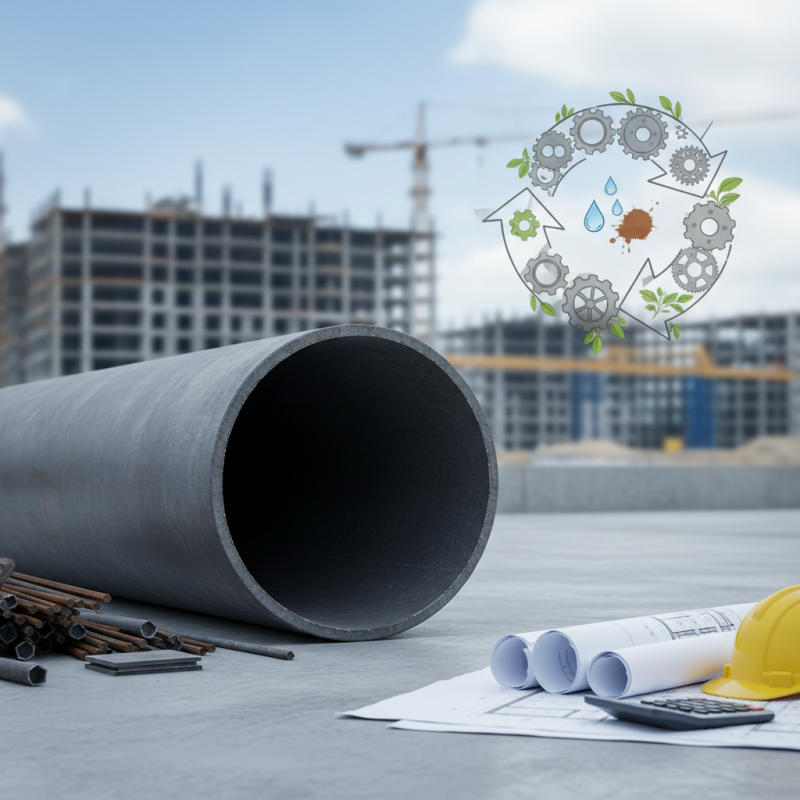
Benefits of Carbon Steel Pipes in Construction Projects
Carbon steel pipes are essential in construction projects due to their unique benefits. These pipes have a high strength-to-weight ratio. This makes them a preferred choice for structural applications. They are durable and can withstand significant pressure, which is vital in many construction settings. Their ability to handle various temperatures also adds to their versatility.
Another advantage is cost-effectiveness. Carbon steel pipes are often more affordable than other materials. This affordability does not compromise their quality. They are easier to work with, reducing labor costs for installation. However, maintenance is necessary. Regular inspections help prevent corrosion and potential failures.
Using carbon steel pipes requires careful planning. While they offer many benefits, they are not immune to risks. Construction teams need to evaluate environmental factors. Understanding these challenges can help make informed decisions. Ultimately, carbon steel pipes provide valuable benefits, but awareness of maintenance and durability is crucial.

Types of Carbon Steel Pipes and Their Applications
Carbon steel pipes are commonly used in various industries due to their durability and versatility. There are several types of carbon steel pipes, each designed for specific applications. For instance, seamless carbon steel pipes offer high strength and are ideal for high-pressure systems. According to industry reports, seamless pipes typically have a higher tensile strength, making them suitable for oil and gas transport.
Welded carbon steel pipes, on the other hand, are widely used in construction and structural projects. They are often manufactured with lower production costs, which can be beneficial for large-scale applications. A 2022 market analysis indicated that welded pipes dominate about 60% of the carbon steel pipe market, especially in building frameworks and scaffolding. However, their strength can be less than that of seamless pipes, which is an aspect to consider.
Applications vary from water transportation to chemical processing. Each type of pipe serves a particular purpose, influencing design choices. Understanding these differences can help in selecting the right material. While carbon steel pipes are generally reliable, factors like corrosion and temperature should not be underestimated. Regular assessments are necessary to maintain safety and efficiency in projects.
Cost-Effectiveness of Carbon Steel Pipes Compared to Alternatives
When considering materials for your next project, carbon steel pipes stand out for their cost-effectiveness. Compared to alternatives like stainless steel or PVC, carbon steel pipes are usually less expensive while offering robust strength and durability. This makes them a popular choice in construction and manufacturing industries. The lower initial investment can lead to significant savings, particularly for large projects.
Tips: Always calculate the total cost over the lifespan of the material. Sometimes, cheaper options may require more maintenance. Evaluate your project's specific needs before making a decision.
Additionally, carbon steel pipes are readily available and can be sourced easily. This accessibility helps to keep timelines on track. However, it is important to consider the environment in which these pipes will be used. Corrosion can be a concern that may lead to future costs.
Tips: Consider protective coatings to enhance longevity. Regular inspections can prevent unexpected failures. A proactive approach can lead to better long-term results.
Durability and Strength Characteristics of Carbon Steel Pipes
When selecting materials for industrial projects, carbon steel pipe stands out due to its durability and strength. According to industry reports, carbon steel pipes can withstand high levels of stress. They exhibit impressive tensile strength, ranging from 370 to 580 megapascals, making them suitable for various applications. This strength ensures a long lifespan, cutting down on replacement costs and downtime.
The versatility of carbon steel pipes is another key advantage. They can handle extreme temperatures, from -45°C to 400°C, without compromising structural integrity. Such resilience is crucial in environments subject to thermal fluctuations. Yet, proper maintenance is essential. Corrosion can affect even the strongest materials. Regular inspections can help identify weak spots and prevent larger issues.
In addition, carbon steel pipes are easily fabricated into different shapes and sizes. This flexibility allows for tailored solutions in construction, oil, and gas industries. While they are robust, the choice of coatings and treatments can enhance their lifespan dramatically. Investing in high-quality treatments can mitigate corrosion risks, ultimately paying off in project longevity.
Strength Characteristics of Carbon Steel Pipe vs. Other Materials
Carbon steel pipes exhibit superior tensile strength compared to aluminum, PVC, and even stainless steel, making them a robust choice for various construction and industrial applications. The graph above highlights the tensile strength in megapascals (MPa) of different pipe materials.
Installation and Maintenance Considerations for Carbon Steel Pipes
When considering the installation of carbon steel pipes, several factors come into play. Proper installation techniques are crucial to ensure longevity and efficiency. First, thorough surface preparation is essential. Cleaning the pipes removes any corrosion or contaminants that could affect performance. For welding, the edges should be beveled correctly to ensure a good seal. A proper fit is critical, as gaps can lead to leaks.
Maintenance also requires attention. Regular inspections help identify any signs of wear or corrosion. Using protective coatings can enhance durability. For instance, applying a rust inhibitor can prolong the life of carbon steel pipes. However, maintenance schedules can sometimes be overlooked, potentially leading to bigger issues down the line.
In terms of installation, understanding the environment is vital. External factors, like humidity and temperature fluctuations, can impact the material's performance. Often, projects encounter unexpected challenges. Adapting to these changes is a key skill for any installation team. The complexity of managing these factors cannot be understated. Proper training and experience in handling carbon steel will yield the best results.
Why Choose Carbon Steel Pipe for Your Next Project? - Installation and Maintenance Considerations for Carbon Steel Pipes
| Dimension | Material | Standard Application | Installation Considerations | Maintenance Tips |
|---|---|---|---|---|
| 1 inch | Carbon Steel | Water Supply | Ensure proper joint fittings | Inspect for rust regularly |
| 2 inch | Carbon Steel | Gas Lines | Use appropriate sealing compounds | Perform pressure tests |
| 3 inch | Carbon Steel | Industrial Applications | Follow safety regulations during installation | Clean regularly to prevent buildup |
| 4 inch | Carbon Steel | Wastewater Systems | Ensure proper slope and alignment | Check joints for leaks |
Article Source:
NORTH EASTON MACHINE • 218 Elm Street • North Easton, MA 02356 • 508-238-6219