
How to Choose the Best Hot Water Hose for Your Needs?
Choosing the right Hot Water Hose can significantly impact efficiency and safety in various applications. According to a 2022 industry report, improper selection can lead to reduced performance and hazards such as leaks or burst hoses. The right hose ensures that water reaches at the desired temperature without compromising material integrity.
Material quality is crucial. A survey indicates that 70% of hose failures come from subpar materials that cannot withstand extreme temperatures. This indicates a strong need for professionals and consumers to educate themselves about the specifications and certifications of hoses. Not all hoses are created equal, and the choices can be overwhelming.
It’s also worth noting that testing and maintenance play vital roles. Regular inspections can help prevent accidents caused by wear and tear. Industry guidelines suggest that up to 30% of hoses may fail without proper care. Therefore, understanding how to choose and maintain a Hot Water Hose is essential for long-term success.
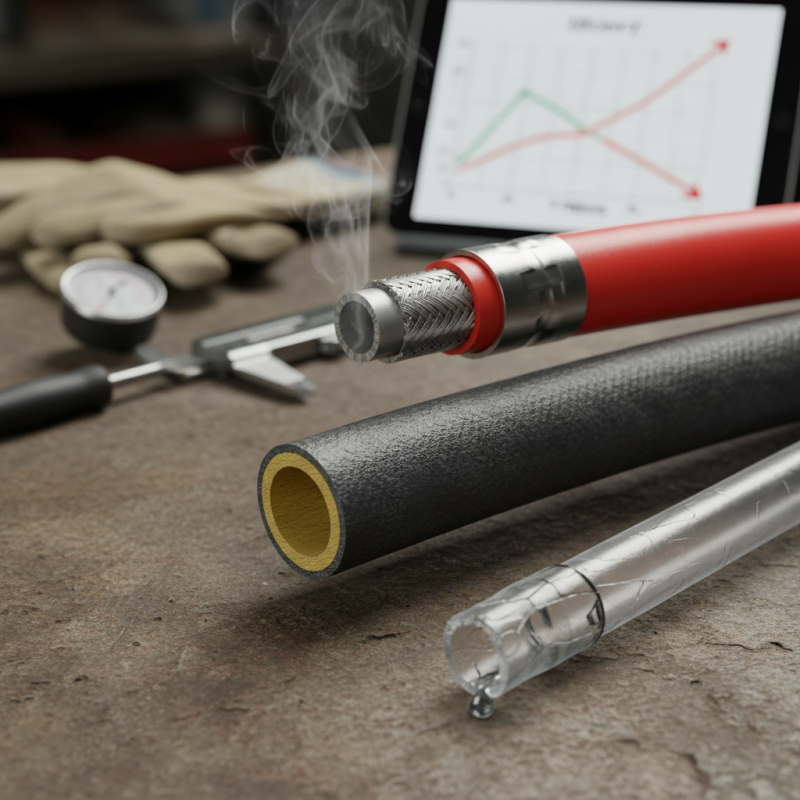
Understanding Hot Water Hose Types and Materials
When selecting a hot water hose, understanding the types and materials is essential. There are mainly three types of hoses available: rubber, PVC, and silicone. Rubber hoses are robust and can handle high temperatures. They are often used in industrial applications. PVC hoses are lightweight and more affordable. However, they may not withstand extreme conditions. Silicone hoses are flexible and can endure high heat but tend to be pricier. Each material has its pros and cons.
The right choice depends on your specific needs. Consider the temperature range you require. Some hoses can handle temperatures above 200°F, while others may fail at lower ratings. Look into pressure ratings as well. A high-pressure hose may be needed for certain applications. It’s crucial to ensure compatibility with your system. Not all hoses work well with all systems. Take time to research. User reviews can provide valuable insights. Remember, quality often correlates with price, but not always. Reflect on past experiences and choose wisely.

Identifying the Required Hose Length and Diameter
Choosing the right hose length and diameter is essential for effective hot water transportation. The length of the hose directly affects water pressure. Longer hoses can lead to pressure drops, making it harder for water to flow efficiently. Measure the distance from the water source to the endpoint. This will help in determining the ideal hose length for your project.
Diameter is another crucial factor. A hose that is too narrow may not allow enough water to pass through. Conversely, an overly wide hose may not generate sufficient pressure. Consider the water requirements of your task. For instance, using a wider diameter can reduce heating time in larger applications. Evaluate your specific needs thoroughly.
Don’t overlook the potential for errors in measurement. It's easy to underestimate the required length or diameter. Mistakes can lead to inefficiencies or increased costs. Take time to double-check your measurements. Doing so ensures you choose a hose that meets your needs and performs reliably. Going through this process can feel tedious, but accuracy is key to achieving optimal results.
How to Choose the Best Hot Water Hose for Your Needs? - Identifying the Required Hose Length and Diameter
| Hose Type | Diameter (inches) | Length (feet) | Max Temperature (°F) | Material |
|---|---|---|---|---|
| Standard Hot Water Hose | 0.5 | 50 | 200 | PVC |
| Heavy-Duty Hot Water Hose | 0.75 | 75 | 250 | Rubber |
| High-Pressure Hot Water Hose | 1.0 | 100 | 300 | Reinforced PVC |
| Flex Hot Water Hose | 0.625 | 50 | 180 | Thermoplastic |
| Low-Temperature Hot Water Hose | 0.5 | 30 | 150 | EPDM |
Evaluating Temperature and Pressure Ratings for Hot Water Hoses
When selecting a hot water hose, understanding temperature and pressure ratings is crucial. Typically, hoses are rated for different temperatures, often ranging from -40°F to 200°F. A study by the National Association of Hose Manufacturers indicates that hoses operating at higher temperatures may degrade faster. Consistent exposure to high heat can cause material breakdown, which affects longevity.
Pressure ratings are equally important. Most hot water hoses have working pressure ratings between 150 to 500 psi. Higher pressure ratings mean the hose can handle extreme conditions without bursting. According to the Hose Manufacturers Association, choosing a hose close to the maximum pressure can lead to risks of failure. It's essential to consider both factors in relation to your specific needs.
Remember, materials like rubber and thermoplastic each have unique advantages. Rubber hoses are often more flexible but can be less resistant to high temperatures. On the other hand, thermoplastic hoses may withstand high heat better but might lack flexibility. Evaluating the environment where the hose will be used is vital to ensure it meets the demands placed upon it. Balancing these factors requires careful consideration and knowledge, as not all hoses are created equally.
Temperature and Pressure Ratings for Hot Water Hoses
This chart compares the temperature and pressure ratings of various hot water hoses. It helps to evaluate which hose best suits your needs based on your specific requirements for temperature and pressure handling.
Comparing Durability and Flexibility Features in Hot Water Hoses
When selecting a hot water hose, durability and flexibility are crucial features. A durable hose can withstand high temperatures and resist wear and tear. Look for hoses made from quality materials, as they often last longer. Flexible hoses are easier to handle, especially when maneuvering in tight spaces. Keep in mind that flexibility can vary significantly between hoses.
Consider the intended use when choosing a hose. For instance, if you plan to use it in colder climates, ensure the hose remains flexible even in low temperatures. A stiff hose can be frustrating and may become damaged sooner. Always check the temperature rating of the hose to ensure it suits your needs.
Tip: Test the hose's flexibility before purchasing. Curl it around your hands to see how it responds.
Another aspect to consider is the hose's flexibility in real-world conditions. A hose that is easy to store might become hard to handle in action. Think about how often you will use it and under what circumstances. Sometimes a heavier hose can offer better durability but may lack flexibility.
Tip: Evaluate different hoses in the store. Moving them around can give you a better feel for their handling.
A hose might excel in one area but fall short in another. Always reflect on what is most important for your tasks. Sometimes the perfect hose is about balancing these aspects effectively.
Tips for Proper Maintenance and Care of Hot Water Hoses
When it comes to hot water hoses, maintenance is crucial for longevity and efficiency. First, always store your hose in a cool, dry place. Avoid leaving it in direct sunlight. This simple action can prevent UV degradation and prolong its lifespan. Inspect your hoses regularly for any signs of wear or leaks. Small issues can lead to significant problems if overlooked.
Proper maintenance also includes flushing the hose after each use. This removes any sediment that might accumulate inside. Additionally, using the correct pressure settings can minimize strain on the hose. Be aware that excessive pressure can cause leaks.
One tip is to always avoid kinking the hose during usage. Kinks can create weak points that may eventually lead to hose failure. Keeping the hose straight and untangled will contribute to better water flow and efficiency. Remember, a little effort in maintenance goes a long way in ensuring your hot water hose remains reliable and in good working condition.
Article Source:
NORTH EASTON MACHINE • 218 Elm Street • North Easton, MA 02356 • 508-238-6219