How to Choose the Best CNC Aluminum Parts for Your Needs?
Choosing the right CNC aluminum parts is crucial for optimal performance. With the rapid growth of the CNC aluminum industry, understanding specific needs has never been more important. According to a recent industry report by Grand View Research, the CNC machining market is projected to reach USD 100 billion by 2025, which highlights the increasing demand for precision parts.
Expert John Steele, a leading figure in CNC aluminum manufacturing, states, "Selecting the right components can significantly impact production efficiency." This insight emphasizes the importance of quality and suitability in CNC aluminum parts. Factors such as material type, machining accuracy, and surface finish should be thoroughly evaluated.
Many companies still overlook these elements and suffer from suboptimal results. Reflections on past choices can lead to better decision-making. Failing to prioritize these needs can result in increased costs and delays. Therefore, a thoughtful approach is essential for achieving excellence in CNC aluminum components.
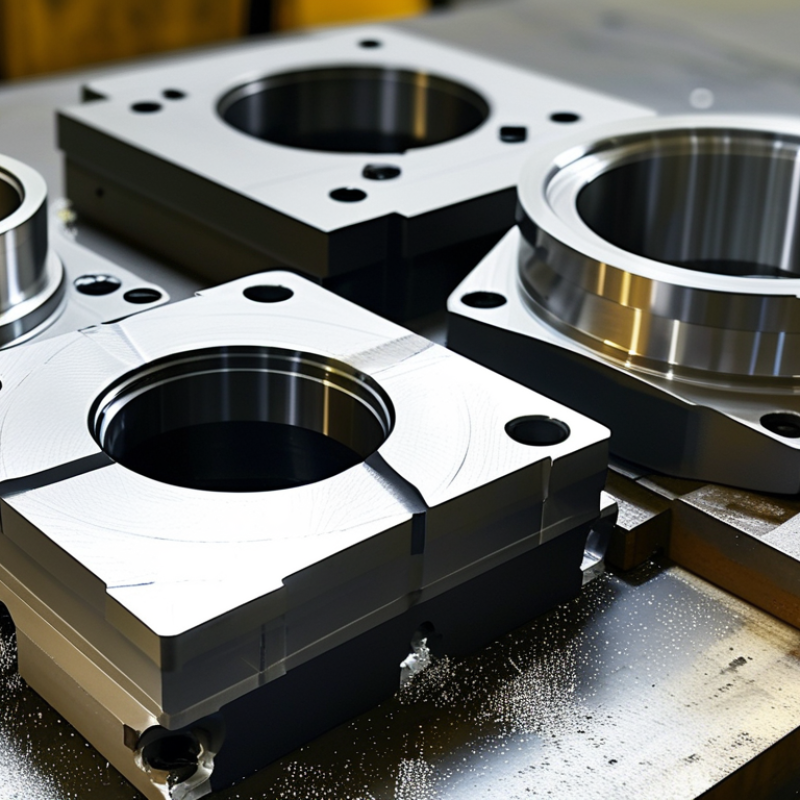
Understanding CNC Aluminum Parts and Their Applications
CNC aluminum parts are widely used in various industries. They provide precision and durability. These components are crucial in sectors like aerospace, automotive, and electronics. Understanding their applications helps in selecting the right parts for specific needs.
Aluminum is lightweight, yet strong. This makes it ideal for applications requiring high strength-to-weight ratios. For example, in aerospace, these parts reduce overall aircraft weight, enhancing fuel efficiency. In automotive design, CNC aluminum components improve performance while maintaining structural integrity. Each industry might require unique specifications.
Choosing the right CNC aluminum parts can be challenging. Factors like thickness, finish, and tolerances matter. Miscalculations can lead to functional issues. It's important to research machining capabilities and material properties thoroughly. Revision and expert feedback play vital roles in ensuring the right choices are made. Staying informed about trends is essential for optimal results.
How to Choose the Best CNC Aluminum Parts for Your Needs?
| Property |
Description |
Applications |
| Material Strength |
Aluminum alloys offer high strength-to-weight ratios. |
Aerospace, automotive components, and structural parts. |
| Corrosion Resistance |
Aluminum naturally forms a protective oxide layer. |
Marine applications, outdoor equipment, and electronics. |
| Machinability |
Easy to machine, allowing for high precision and complex shapes. |
Custom parts, fixtures, and prototypes. |
| Weight |
Lightweight yet strong material enhances performance. |
Sports equipment, lightweight vehicles, and drones. |
| Thermal Conductivity |
Excellent heat dissipation properties. |
Heat exchangers, cooling systems, and electronic enclosures. |
Key Factors to Consider When Choosing CNC Aluminum Parts
When selecting CNC aluminum parts, several key factors should be carefully evaluated. The material's quality impacts performance greatly. According to a report by the Aluminum Association, high-grade aluminum alloys, like 6061 and 7075, exhibit superior strength-to-weight ratios. These alloys also provide exceptional corrosion resistance, which is crucial for durability in various applications.
Manufacturing precision is another essential aspect. CNC machining achieves tolerances as tight as ±0.001 inches, ensuring that parts fit and function correctly. However, this level of accuracy depends on the machinery used and the operator's expertise. A study by the National Institute of Standards and Technology highlights that even minor deviations can lead to significant issues in assembly or performance.
Cost considerations cannot be ignored. While cheaper options may seem appealing, they often lead to higher long-term expenses. A study from the Society of Manufacturing Engineers found that poor-quality parts could result in up to 30% more maintenance costs over time. It's vital to weigh immediate savings against potential future issues, ensuring that investment in quality materials pays off in reliability and longevity.
Evaluating Material Quality and Specifications for CNC Machining
When choosing CNC aluminum parts, material quality is crucial. High-quality aluminum alloys, like 6061 and 7075, are often preferred. According to industry reports, 6061 offers good corrosion resistance and weldability. It has a tensile strength of about 310 MPa, making it suitable for various applications. On the other hand, 7075 has a higher strength, approximately 570 MPa, but is less resistant to corrosion.
Specifications matter too. The thickness of aluminum parts influences durability and strength. Parts under 1.5 mm may bend easily. However, thicker parts can add weight, affecting usability. Tolerances in CNC machining typically range between ±0.01 mm and ±0.1 mm, depending on the requirement. Closely toleranced parts may require more expensive machining processes, impacting cost.
Moreover, the finishing of aluminum can affect both appearance and functionality. Anodization enhances corrosion resistance while providing a decorative finish. However, it can add time and expense to the production process. Understanding these nuances helps in evaluating options but also presents challenges. Balancing performance, cost, and lead time can be complex. The decision should reflect both immediate and long-term needs.
Comparing Manufacturing Methods for CNC Aluminum Parts
When considering manufacturing methods for CNC aluminum parts, understanding each approach is crucial. CNC milling and CNC turning are two primary techniques. CNC milling involves removing material from a solid block, allowing for more complex geometries. This method excels in creating intricate designs with tight tolerances. However, it can be more time-consuming.
On the other hand, CNC turning is excellent for creating cylindrical parts. It involves rotating the material against the cutting tool. This method is typically faster and more cost-effective for simpler shapes. However, it restricts design flexibility. It’s worth noting that your choice may depend on the quantity needed. For larger production runs, one method may significantly reduce costs over the other.
Another aspect to ponder is the material selection. Not all aluminum alloys are equal; some may improve durability or weight. Researching various alloys can yield better results tailored to specific applications. Manufacturer experience also plays a role. Not every shop can handle all methods or materials effectively, making it vital to seek out those with proven expertise.
Assessing Cost-Effectiveness and Budget Considerations for CNC Parts
When assessing cost-effectiveness for CNC aluminum parts, it's important to analyze your specific needs. Start by defining the part's purpose and complexity. Simpler designs often result in lower costs due to reduced machining time. However, meticulous planning may be needed for intricate parts, which can drive up expenses. Balancing quality and precision with budget constraints is key.
Consider materials and finishes. Different aluminum alloys have varying price points. Choosing a standard alloy can help manage costs without sacrificing quality. Additionally, surface treatments like anodizing can enhance durability but may increase your budget. Researching options will help clarify what fits your financial goals.
Investing time in sourcing and comparing suppliers can yield better prices. That said, lowest bids do not always guarantee the best outcome. Prioritize suppliers with solid reputations and a proven history of delivering reliable parts. Evaluating their past work can shed light on their capabilities. Reflecting on these aspects helps ensure your decision aligns with both budget and performance goals.





 Find Your Solutions ▶