
Why Choose a Wafer Roll Machine for Your Business Needs?
In today's competitive market, businesses seek efficient solutions to meet customer demands. Investing in a Wafer Roll Machine can be a game-changer. This equipment transforms the way you produce wafer rolls, enhancing both productivity and quality.
The unique design of a Wafer Roll Machine allows for the rapid production of delicious, crispy wafer rolls. Its precision ensures that each roll is perfectly baked and shaped, appealing to consumers. However, not all machines are created equal. It's vital to evaluate features and specifications that align with your business goals.
While the benefits are clear, some owners may overlook potential challenges. Technical issues can arise, leading to downtime. Regular maintenance is necessary to prevent this. Identifying the right Wafer Roll Machine involves careful consideration, but the rewards can outweigh the risks. This investment could elevate your product line and satisfy growing demand.
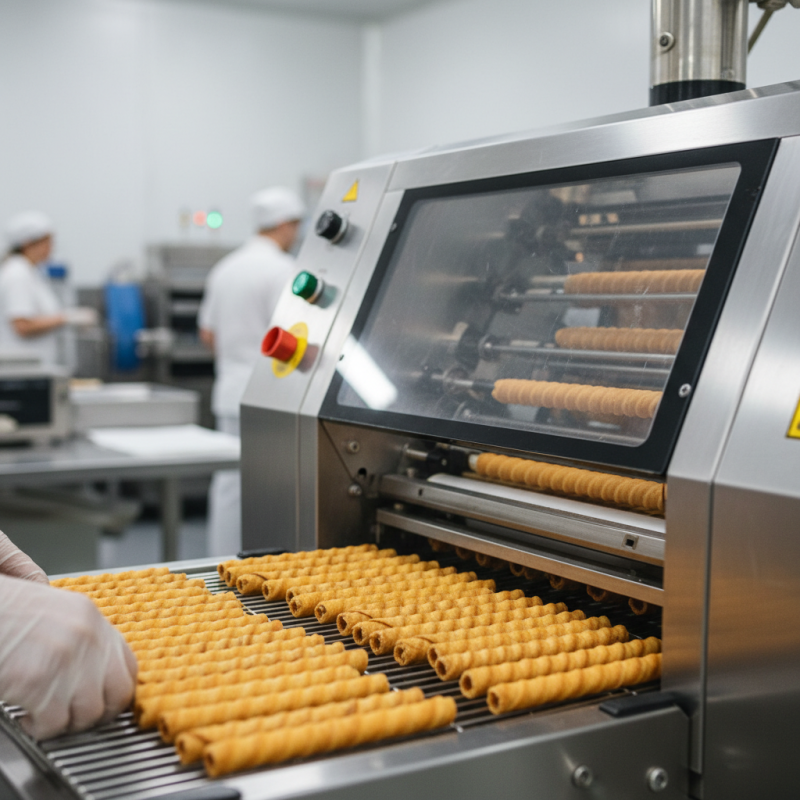
Understanding Wafer Roll Machines: An Overview of Their Functionality
Wafer roll machines play a crucial role in snack production. They transform batter into thin, crispy wafers. These machines operate on the principle of uniform heat transfer. The design ensures even cooking, leading to consistent quality.
According to industry reports, the global snack food market is projected to grow at a CAGR of 5.3% from 2022 to 2027. This growth is largely driven by the rising demand for innovative snacks. Wafer rolls, with their unique texture and taste, are gaining popularity among consumers. However, many manufacturers struggle with maintaining production efficiency. Technical issues can arise during the cooking process. Inconsistent thickness or uneven cooking can affect the final product.
Investing in a wafer roll machine could address these challenges. Advanced models offer features like automated controls. They allow for precise temperature management, enhancing the overall quality. Yet, it’s vital for businesses to assess their specific needs. Over-reliance on machinery without skilled operators may lead to quality gaps. Balancing technology with human oversight ensures superior results.

Key Benefits of Using Wafer Roll Machines in Food Production
Wafer roll machines offer numerous advantages in food production. These machines create crisp, delicious wafer rolls efficiently. With the right setup, they can enhance productivity and reduce labor costs. The appeal of a well-made wafer roll is undeniable. The machine ensures consistent quality every time. This uniformity is critical in maintaining customer satisfaction.
One of the key benefits is versatility. Wafer rolls are not just for one type of filling. You can use various flavors and ingredients. This flexibility can cater to diverse customer preferences. However, businesses might struggle to find the right balance in flavors. Testing different mixes can be time-consuming. It's essential to allocate time for experimentation.
**Tips:** Regular maintenance of the machine is crucial. A clean machine ensures better taste and quality. Don’t skip this step, or the product may suffer. Consider training staff on proper operating techniques. Mistakes can lead to waste and frustration. Take time to develop and refine your recipes. It might take longer at the start, but the rewards pay off in the end.
Cost-Effectiveness: How Wafer Roll Machines Save Your Business Money
Investing in a wafer roll machine can significantly enhance your business’s profitability. These machines streamline the production process. They reduce labor costs and minimize waste. With automated systems, you can produce consistent products. This leads to higher customer satisfaction.
Tips: Always consider the machine’s production speed. Faster output means larger volume sales. Adjust your pricing strategy accordingly. Monitor maintenance needs to avoid unexpected costs.
Additionally, wafer roll machines allow for ingredient flexibility. You can experiment with recipes without committing to large batches. This feature can attract diverse customers. However, it’s crucial to balance experimentation with quality control. Regular checks can prevent subpar products. Investing time in staff training can also improve efficiency.
In the end, weighing these factors carefully is essential. The right machine can be a valuable asset. Evaluate your specific needs, and always aim for continuous improvement.
Choosing the Right Wafer Roll Machine: Factors to Consider
When selecting a wafer roll machine, several factors are crucial. One important aspect is production capacity. For example, a machine with a higher capacity can meet growing demand efficiently. According to industry reports, companies that invest in machines capable of producing 1,000 wafer rolls per hour can see a productivity increase of up to 25%. This capacity allows businesses to fulfill large orders without delays.
Another factor to consider is energy efficiency. Machines that consume less energy contribute to lower operating costs. Research shows that energy-efficient machines can reduce electricity bills by approximately 15%. This reduction becomes significant for businesses producing large quantities. However, it’s essential to balance energy savings against the initial investment cost. A hesitant choice can impact long-term profitability.
Additionally, the quality of the wafer roll matters. Consistent thickness and texture are vital for customer satisfaction. Machines that struggle to maintain these standards can lead to wasted materials and lower quality. Reports suggest that 30% of businesses face quality control issues due to machine limitations. Evaluating these elements can guide firms in making informed decisions, ultimately enhancing their competitive edge.
Maintenance and Longevity: Ensuring Your Wafer Roll Machine Stays Productive
Maintaining a wafer roll machine is crucial for productivity. A well-maintained machine can lead to consistent quality and efficiency. Regularly checking components for wear is essential. Neglecting small issues can escalate into significant problems. Pay attention to the heating elements and rollers. If these parts degrade, you might face uneven cooking.
Tips: Always ensure proper cleaning after production runs. Use gentle cleaning agents to prevent damage. This simple act can prolong the life of your equipment.
Another area to consider is lubrication. Keeping moving parts well-lubricated reduces friction. Less friction means fewer defects in your product. However, over-lubrication can cause buildup and attract dust. Finding the right balance is critical for optimal performance.
Regularly reviewing operational manuals may not seem exciting. Yet, it’s vital. Manuals contain information that can prevent mishaps. Small oversights can lead to downtime, which is costly.
Make reviewing part of your routine. It pays off in the long run.
Article Source:
NORTH EASTON MACHINE • 218 Elm Street • North Easton, MA 02356 • 508-238-6219