
How to Choose the Right Auto Belt Tensioner for Your Vehicle?
Choosing the right Auto Belt Tensioner is crucial for vehicle performance. A well-functioning tensioner keeps the belt tight, ensuring efficient function. Without it, you might face issues like belt slip or noise. This can lead to bigger mechanical problems.
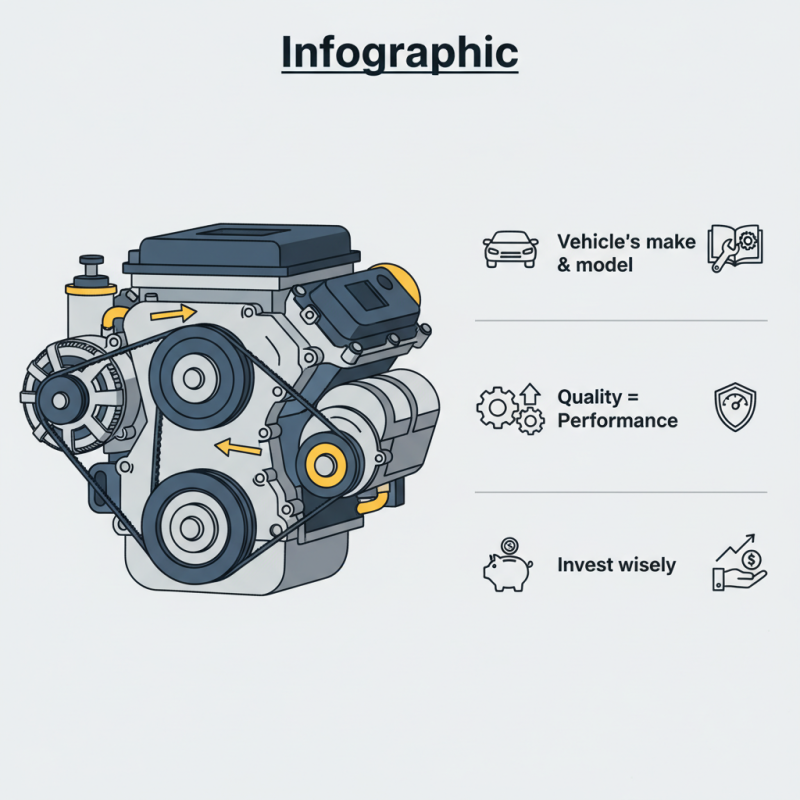
Consider your vehicle's make and model when selecting an Auto Belt Tensioner. Not all tensioners are created equal. Some may wear out faster than others, affecting performance. A low-quality tensioner can result in increased engine strain. This increases the risk of costly repairs in the future.
It's important to consult the vehicle's manual or a trusted mechanic. They can provide valuable insights on compatible options. Keep in mind that price reflects quality. Cheaper models may tempt you but could compromise your vehicle's health. Invest wisely in a reliable Auto Belt Tensioner for longevity and performance.
Understanding the Function of an Auto Belt Tensioner in Vehicles
Auto belt tensioners play a crucial role in vehicle performance. They maintain proper tension on the serpentine belt, ensuring it operates efficiently. A loose or worn tensioner can lead to belt slippage, which may affect engine performance and cause premature wear on various components. According to industry studies, a failing tensioner can reduce belt lifespan by 50% or more, which can lead to costly repairs.
When considering a new auto belt tensioner, it's essential to understand its function deeply. This component automatically adjusts itself to changes in belt length due to wear or thermal expansion. A well-functioning tensioner helps reduce vibration and noise, contributing to a quieter engine. A study published by the Society of Automotive Engineers indicates that vehicles with properly maintained tensioners have a 30% lower risk of belt-related breakdowns.
Tips: Regularly inspect your auto belt tensioner for signs of wear. Look for cracks or signs of deterioration on the mounting bracket. If you hear grinding or squeaking noises, it may be time for replacement. Keep a close eye on your vehicle's performance, as changes can indicate tensioner issues. Lack of attention to this might lead to a costly failure down the line. Always consult professional guidance for installation and quality assurance.

Identifying the Key Types of Belt Tensioners for Different Engines
Choosing the right belt tensioner for your vehicle requires understanding the various types available. There are two main categories: manual and automatic tensioners. Manual tensioners depend on user adjustment, ensuring optimal tightness. However, this can lead to inconsistencies if not regularly monitored. Automatic tensioners adjust themselves, offering convenience and reliability.
Understanding your engine type is crucial. Different engines may require specific tensioners tailored to their design. For instance, some high-performance engines benefit from heavy-duty tensioners. Meanwhile, everyday vehicles can usually rely on standard options, though quality is key.
Tips for selecting the right tensioner:
- Examine your vehicle’s specifications. Match the tensioner type to your engine model.
- Look for design features suited for your driving needs. Consider whether you drive in tough conditions or urban settings.
- Check for replacement intervals. Regularly inspect your tensioner to prevent premature wear. Neglecting this can lead to costly repairs.
Evaluating Compatibility with Your Vehicle’s Make and Model
Choosing the right auto belt tensioner demands careful evaluation of your vehicle's make and model. Each vehicle has unique specifications, making it crucial to find a tensioner that fits properly. An incorrect fit can result in noise, excessive wear, or even engine damage. Therefore, start by consulting your vehicle’s service manual or manufacturer guidelines. They often provide essential information about compatible parts.
Compatibility checks extend beyond just model names. Pay attention to production years and engine types. Minor variations can lead to significant differences in fit. Investigating online forums or seeking advice from automotive professionals can offer insights from others who have faced similar compatibility challenges. Using the right tensioner is vital for belt performance and overall vehicle health.
One common mistake is ignoring wear indicators. A worn tensioner may not hold the belt in place effectively. Look for signs of fraying or cracking in both the tensioner and the belt. Remember, the tensioner isn’t just about keeping the belt tight; it ensures that your vehicle runs smoothly. A little research can lead to better decisions, preventing costly repairs down the line.
How to Choose the Right Auto Belt Tensioner for Your Vehicle?
| Vehicle Make | Vehicle Model | Engine Type | Tensioner Type | Compatibility Rating |
|---|---|---|---|---|
| Toyota | Camry | 2.5L I4 | Automatic | Excellent |
| Ford | F-150 | 5.0L V8 | Hydraulic | Good |
| Honda | Civic | 1.5L I4 | Spring-loaded | Very Good |
| Chevrolet | Silverado | 6.2L V8 | Automatic | Excellent |
| Nissan | Altima | 2.5L I4 | Hydraulic | Good |
Assessing the Quality and Durability of Belt Tensioners
When choosing a belt tensioner, quality and durability are paramount. A reliable tensioner maintains the optimal tension in the belt system, preventing slippage or damage. Look for materials like high-quality steel or durable composites. These materials effectively resist wear and deformation over time. Additionally, check for seals or bearings that can provide smooth operation and extend the lifespan.
It's crucial to assess manufacturing reputation and customer reviews. Experienced mechanics often share insights into tensioner performance. They provide valuable tips on the long-term reliability of different options. A tensioner may appear sturdy, yet hidden flaws can lead to premature failure. Recognizing common signs of wear helps in making informed decisions. Listen to the engine; if there’s an unusual noise, it could signal tensioner issues.
Installation also plays a role in longevity. Even the best parts can fail if improperly installed. Ensure you follow guidelines or consult experts for assistance. A tensioner that has been installed correctly will serve its purpose far better. So, invest time in research and heed advice from professionals. Quality and durability aren’t just features; they are essential for your vehicle’s performance.
Recognizing Signs That Indicate a Need for Belt Tensioner Replacement
A faulty auto belt tensioner can lead to significant vehicle problems. Drivers should look for specific signs that indicate a need for replacement. Unusual noises, such as squeaking or chirping, are often the first indications. These sounds may suggest that the tensioner is failing to maintain proper tension on the serpentine belt.
Another sign is visible wear and tear on the belt itself. Cracks, fraying, or discoloration can result from insufficient tension. If you notice these issues, a careful inspection of the tensioner is necessary. Additionally, if your vehicle experiences engine performance problems, it might be due to an overstretched or loose belt.
Pay attention to dashboard warning lights as well. In some vehicles, these lights can signal issues related to the tensioner or belts. The tensioner's role in keeping everything operable is critical. While some drivers might overlook these small warnings, addressing them promptly is essential to avoid more significant repairs down the line. Prioritizing these observations could save you time and money in the long run.
Auto Belt Tensioner Replacement Indicators
This chart illustrates the various symptoms indicating the need for an auto belt tensioner replacement. The significance of symptoms such as squeaking noise, engine vibration, and belt wear are crucial for vehicle maintenance. Timely replacement can prevent further mechanical issues.
Article Source:
NORTH EASTON MACHINE • 218 Elm Street • North Easton, MA 02356 • 508-238-6219