
Why Choose a Metallurgical Bridge Crane for Your Operations?
In the realm of industrial operations, efficiency is key. A Metallurgical Bridge Crane can elevate productivity significantly. With its robust design, this crane excels in handling heavy materials in steel mills and foundries. Imagine the seamless movement of molten metal, which demands precise control and safety.
Choosing the right equipment can be daunting. However, the Metallurgical Bridge Crane stands out due to its specialized features. It is built to endure extreme conditions and heavy loads. This crane is essential for ensuring smooth workflows. Yet, even with its advantages, contemplation on cost versus benefit is necessary.
Investing in a Metallurgical Bridge Crane may initially seem overwhelming. The upfront costs are notable, but the long-term gains in efficiency can offset these. Consider the endless possibilities of optimized operations and increased safety. Thus, the decision requires careful thought, reflecting on both immediate needs and future growth.
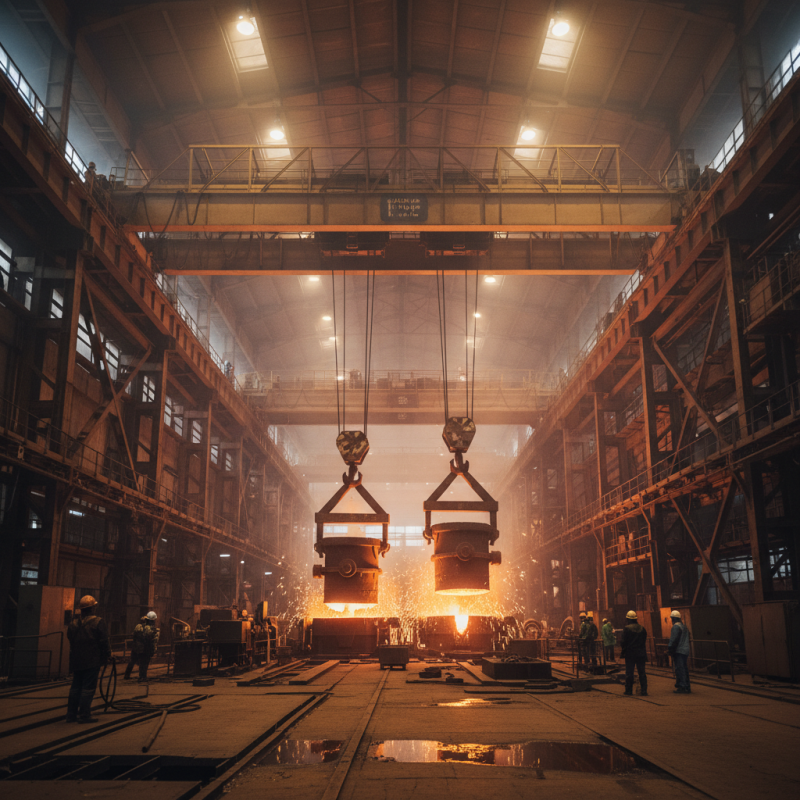
Understanding Metallurgical Bridge Cranes and Their Applications
Metallurgical bridge cranes are essential for operations in heavy industries. They handle molten metals and heavy materials. These cranes have specialized designs to withstand high temperatures. A typical metallurgical crane operates in steel mills and foundries. It helps transport materials safely and efficiently.
These cranes come with unique features. They include insulated trolleys to prevent heat transfer. Advanced safety systems are also critical. Workers must remain safe around high-risk areas. Issues can arise if cranes do not function correctly. Regular maintenance and inspections are necessary to ensure reliability.
Understanding the applications of metallurgical bridge cranes is crucial. They improve workflow and reduce manual labor risks. However, choosing the right crane can be challenging. Operators must consider many factors, such as load capacity and operational environment. Making the wrong choice can lead to inefficiencies. Thoughtful planning is essential for optimal results.

Key Advantages of Using Metallurgical Bridge Cranes in Operations
Metallurgical bridge cranes play a vital role in steel processing and heavy manufacturing. These cranes are designed to handle extreme loads. According to industry reports, they can lift weights exceeding 500 tons. This capacity makes them ideal for heavy-duty operations. The robust design ensures reliability in high-temperature environments. Operators can work efficiently, leading to better productivity.
Safety is another critical advantage. Metallurgical bridge cranes come with advanced safety features. They minimize risks associated with lifting heavy materials. A report by a safety standards organization noted that using these cranes reduced accidents by 30%. This statistic is significant for industries where safety is paramount. Ergonomic designs of controls enhance operator comfort, leading to fewer errors during operations.
However, there are challenges to consider. The installation and maintenance of metallurgical bridge cranes can be complex. They require specialized knowledge and training. Not all facilities may have this expertise readily available. Additionally, the initial investment can be high. Yet, the long-term benefits often outweigh these obstacles. Increased efficiency and safety translate into improved operational outcomes.
Choosing the Right Metallurgical Bridge Crane for Your Needs
When selecting a metallurgical bridge crane, consider operational needs carefully. Different applications require specific features. For example, if you manage heavy metal components, look for options with higher load capacity. These cranes should be robust and durable, able to withstand challenging environments.
Safety is another critical factor. Ensure that the crane has reliable safety mechanisms. Features such as overload protection and emergency stops are essential. A poorly chosen crane can lead to accidents and costly downtimes. Think about the work environment, as some cranes are better suited for extreme temperatures or dust.
Maintenance is also vital. Some cranes require more frequent checks and repairs, impacting productivity. It's important to weigh these aspects against your operational goals. Finding the right balance is key. Investing time in research can lead to better long-term outcomes, despite the overwhelming options available.
Why Choose a Metallurgical Bridge Crane for Your Operations?
This bar chart displays key specifications for a metallurgical bridge crane, including load capacity, height, span, speed, and energy efficiency. These metrics help in evaluating the right crane for specific operational needs.
Maintenance and Safety Considerations for Metallurgical Bridge Cranes
When considering metallurgical bridge cranes, maintenance and safety are crucial. Regular inspections can significantly reduce accidents. According to industry reports, improper maintenance leads to 30% of crane-related incidents. This statistic emphasizes the importance of routine checks and repairs.
Safety features in these cranes are vital. They often include limit switches, anti-collision systems, and emergency stops. Yet, many facilities overlook their significance. A report from the Industry Safety Association states that 28% of crane operations fail to implement essential safety measures. This gap can lead to severe injuries and costly downtime.
Moreover, proper training for operators cannot be underestimated. A well-trained operator can recognize warning signs and avoid mishaps. Statistics show that 40% of accidents involve untrained personnel. This highlights a need for continuous education and refresher courses in crane operations. The stakes are high, and addressing these gaps is essential for safe operations.
Cost-Benefit Analysis of Investing in Metallurgical Bridge Cranes
Investing in metallurgical bridge cranes can seem daunting. However, a cost-benefit analysis reveals significant advantages. These cranes enhance efficiency, particularly in heavy-duty operations. They offer increased lifting capacities, allowing for safer handling of materials. This reduces the risk of accidents, which can be costly.
The initial investment may be high, but consider the long-term benefits. Downtime due to equipment failure is reduced. A reliable crane means fewer disruptions in production. You will also save on labor costs. With automated features, fewer workers are needed. This can backfire, though. Automation might require staff retraining, which takes time and resources.
Maintenance is crucial. Regular checks ensure optimal performance. Neglecting this can lead to expensive repairs. Some facilities overlook these aspects, leading to inefficiencies. Investing in training for your team can mitigate these challenges. In the end, the choice should align with your operational goals. Balancing initial costs with potential savings is key.
Why Choose a Metallurgical Bridge Crane for Your Operations? - Cost-Benefit Analysis of Investing in Metallurgical Bridge Cranes
| Cost Factors | Estimated Cost ($) | Benefits | Estimated Value ($) |
|---|---|---|---|
| Initial Investment | $150,000 | Increased Efficiency | $200,000/year |
| Maintenance Costs (Annual) | $10,000 | Reduced Downtime | $50,000/year |
| Training Costs | $5,000 | Safety Improvements | $30,000/year |
| Operational Costs (Annual) | $20,000 | Increased Load Capacity | $100,000/year |
| Total Costs (First Year) | $185,000 | Total Benefits (Annual) | $380,000/year |
Article Source:
NORTH EASTON MACHINE • 218 Elm Street • North Easton, MA 02356 • 508-238-6219