How to Choose the Best Slitter Cutter Machine for Your Needs?
Choosing the right Slitter Cutter Machine can greatly impact production efficiency. In the packaging industry, around 45% of companies report that incorrect machinery choice affects their output. This statistic emphasizes the importance of selecting the proper equipment tailored to specific needs.
A quality Slitter Cutter Machine ensures more than just productivity. Inaccurate cuts can lead to increased waste, affecting profit margins. A study found that businesses lose up to 30% of raw materials due to improper cutting. This loss highlights the need for precision in selecting the right machine.
Moreover, the market is filled with various models and features. Each has its own strengths and weaknesses. Conducting thorough research can help businesses avoid costly errors. Understanding specific requirements is crucial for making an informed decision. The right Slitter Cutter Machine can enhance operational efficiency and lead to long-term savings.
Understanding Different Types of Slitter Cutter Machines
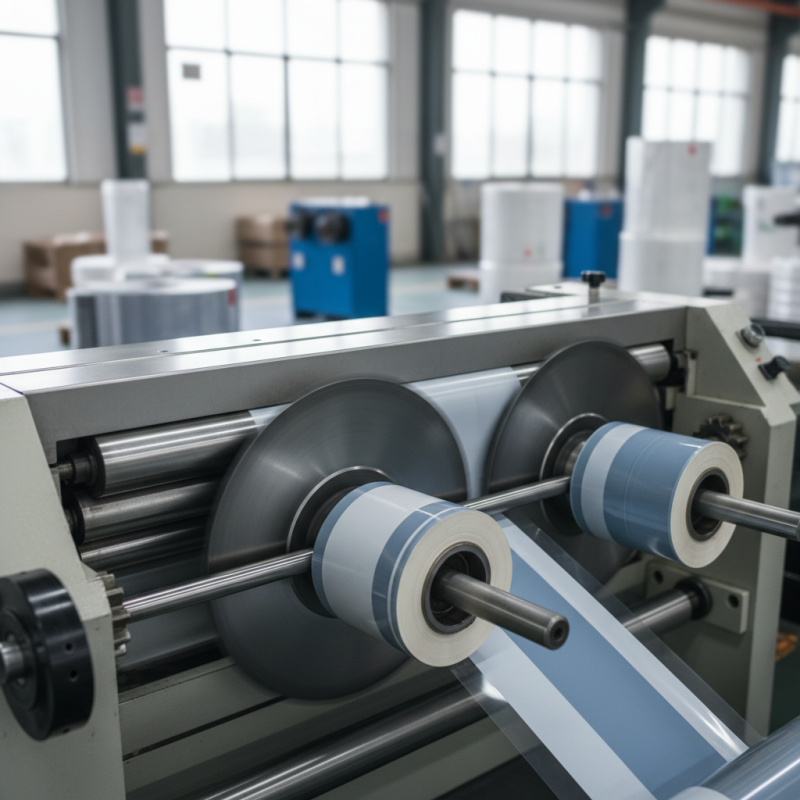
When considering slitter cutter machines, understanding the different types available is crucial. There are several types, each designed for specific tasks. For example, rotary slitters use circular blades. These are excellent for high-speed cutting applications. They can handle various materials, from paper to film. On the other hand, shear slitters offer a different mechanism. They create a clean cut with sharp blades that move against each other. This type is often preferred for thicker materials.
Another option is the razor slitter, which employs flat, sharp blades. This type is suitable for delicate projects, providing precision and control. However, finding the right slitter involves more than just knowing types. Consider the material thickness, desired cut quality, and potential volume. Not all machines perform equally. Some may struggle with specific materials or speeds. It's essential to examine your needs carefully. A mismatch can lead to delays or wasted resources.
Many users overlook maintenance needs, which can affect performance. Monitoring blade sharpness is critical. Dull blades may compromise quality and increase waste. Additionally, evaluating the machine's setup is vital. A complex setup may lead to operational challenges. This can hinder productivity, making it necessary to invest time in training. A simple yet effective approach can enhance overall efficiency significantly.
Slitter Cutter Machine Types and Their Applications
Key Features to Consider When Choosing a Slitter Cutter Machine
When selecting a slitter cutter machine, it’s vital to consider key features that will enhance your operations. The cutting width should match your material size. A machine with adjustable cutting depths adds flexibility for various applications. Pay attention to the blade quality as well. High-quality blades ensure more precise cuts, reducing waste and improving efficiency.
Another important aspect is the machine's speed. The cutting speed should align with your production demands. Faster machines can boost productivity but may require more maintenance. Look for user-friendly controls. Intuitive operation minimizes training time and potential errors.
Check the construction of the machine too. A sturdy frame can withstand prolonged use and heavy materials. However, be wary of overly complex systems. Sometimes, simplicity is more effective and easier to maintain. Reflect on your specific needs before making a choice. What works for one business may not suit another. Choose wisely!
Evaluating Your Material Compatibility with Slitter Cutters
When selecting a slitter cutter machine, material compatibility is crucial. Each material has unique properties that can affect the cutting process. For example, thicker materials may require more robust blades. Conversely, delicate materials might need precision cutters to avoid damage. Understanding these differences is key to making the right choice.
Consider the type of material you will be processing. Is it paper, plastic, or metal? Each requires specific settings and blade types. Using the wrong cutter might lead to poor quality cuts. It can also slow down production. Think about your material's thickness and flexibility. Are they consistent, or do they vary? These factors can influence your machine's performance.
Additionally, test different machines if possible. Not all cutters perform the same way, even with the same material. You might find one machine excels at cutting a certain thickness but struggles with another. Don't overlook the importance of materials. They directly impact efficiency and finished product quality. Choose wisely, and ensure your slitter cutter matches your needs.
Assessing Your Production Volume and Speed Requirements
When selecting a slitter cutter machine, understanding your production volume and speed needs is crucial. Industry reports indicate that optimal production speed can reach up to 600 meters per minute for high-capacity machines. This metric is essential when assessing how quickly you need to produce your materials. The faster the machine, the more efficient your operation can be, but efficiency also means balancing quality and precision.
Tip: Determine your weekly or monthly production targets. If you need 10,000 meters per week, calculate the speed required. A slower machine might suffice for lower targets, but it won't keep up on busy days. Assessing real-time performance helps in making informed choices.
Volume is another factor. Machines capable of handling larger rolls can significantly impact your workflow. However, machines that are solely focused on speed may compromise other aspects like precision or adaptability. Sometimes, a model that handles moderate speed can meet your needs better than a fast, volume-centric option.
Tip: Test potential machines with real materials. This trial run could reveal unanticipated challenges. It's wise to reflect on your choices, ensuring they align with both current needs and future growth. Balancing speed and volume is not a straightforward task; it takes careful consideration.
How to Choose the Best Slitter Cutter Machine for Your Needs? - Assessing Your Production Volume and Speed Requirements
| Machine Type | Max Production Volume (m²/h) | Cutting Speed (m/min) | Material Compatibility | Key Features |
| Rotary Slitter | 500 | 150 | Paper, Film, Foil | High Precision, Fast Setup |
| Shear Slitter | 300 | 100 | Cardboard, Plastic | Durable Blades, Easy Maintenance |
| Flat Bed Slitter | 200 | 70 | Non-woven, Textile | Versatile, Various Widths |
| Knife Edge Slitter | 400 | 120 | Rubber, Foam | Adjustable Depth, High Efficiency |
| Laser Slitter | 250 | 80 | Composite Materials | High Precision, Low Waste |
Maintenance and Support Considerations for Slitter Cutter Machines
When choosing a slitter cutter machine, maintenance and support are key elements to consider. Regular upkeep is vital for optimal performance. A well-maintained machine can have a lifespan exceeding 15 years, according to industry reports. Neglecting maintenance can lead to costly downtime and repairs.
Tip: Schedule routine inspections and preventive maintenance to maximize productivity. Even small issues can escalate into significant problems. Engaging skilled personnel for this task is crucial. They can identify potential issues early, saving time and money.
Support is another critical aspect. A reliable support system ensures quick resolution of technical issues. Industry data shows that facilities with dedicated support teams experience 30% less downtime. Consider access to service centers and the availability of technical support.
Tip: Look for machines that come with comprehensive support packages. Research user reviews about the support experiences others have had. This can provide insights into potential future challenges. Planning for these considerations can aid in making an informed decision.



 Find Your Solutions ▶