
How to Choose the Best Pipe Mill Machine for Your Needs?
Choosing the right Pipe Mill Machine can significantly impact your production efficiency. This decision involves more than just identifying the latest technology. It requires understanding your specific needs and operational goals.
When evaluating options, consider factors like material types and sizes. Different machines offer varying capacities and features. You may find it challenging to navigate these choices, especially with the rapid advancements in technology. Knowledge of industry standards is essential to make informed decisions.
Consulting with experts can provide valuable insights. However, even with expert advice, it's vital to reflect on your unique production challenges. The perfect Pipe Mill Machine for one company may not work for another. Take the time to assess your requirements thoroughly before making a selection.
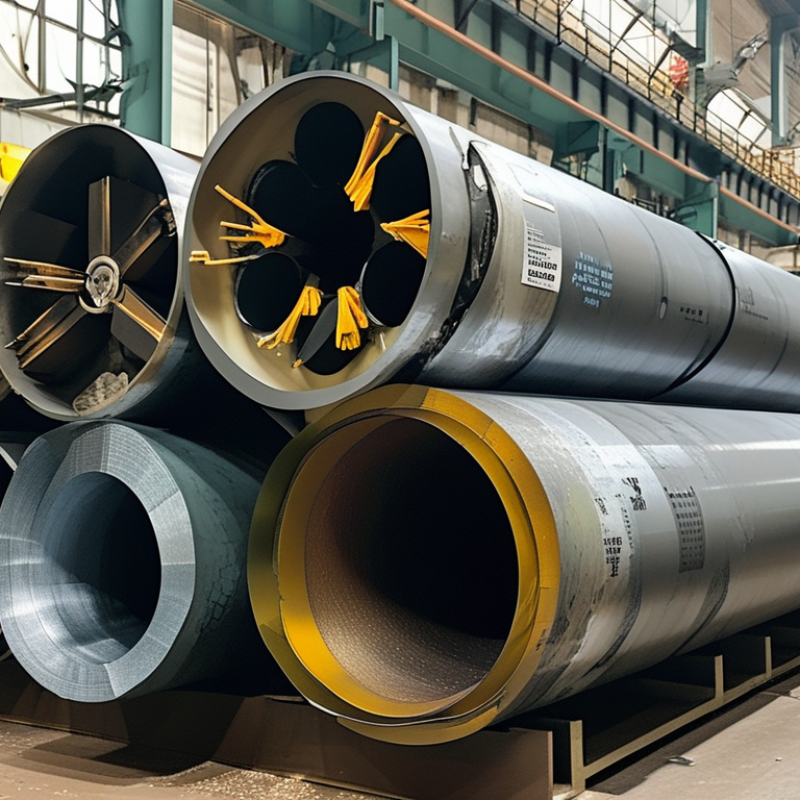
Understanding the Different Types of Pipe Mill Machines Available
When selecting a pipe mill machine, it’s crucial to understand the types available. There are several designs tailored for different applications. A high-frequency welded pipe mill is popular for its efficiency and cost-effectiveness. It operates by using electrical currents to join steel sheets, producing durable pipes. This type often suits projects requiring mass production.
Another option is the spiral pipe mill, known for its capability to produce large-diameter pipes. The spiral welding process allows it to handle thick materials. However, this method can be more complex, requiring precise alignment and adjustments. Users must evaluate their production scale and material specifications when choosing.
Moreover, the seamless pipe mill represents a more advanced technology. It creates pipes without seams, offering high strength and reliability. However, the investment and operational costs are usually higher. Assess your specific needs, production volume, and budget before deciding. Each type has pros and cons, and understanding them can help avoid costly mistakes.

Evaluating Your Production Needs and Capacity Requirements
When evaluating your production needs for a pipe mill machine, understanding capacity requirements is vital. According to industry reports, the global pipe and tube market is expected to reach $70 billion by 2026. This growth underscores the importance of selecting machinery that meets both current and future production capacities.
It's essential to assess how much pipe you'll need to produce daily. If your operations require 500 tons per day, ensure the machine can meet this demand consistently. Choosing a machine that can handle higher capacities is often a wise decision. It allows for flexibility and can accommodate future growth. However, machines with excessive capabilities might lead to underutilization, impacting cost efficiency.
Moreover, consider the types of materials you plan to use. Different materials may require varying production speeds. A recent survey indicated that 45% of manufacturers reported inefficiencies due to mismatched machine capabilities. Aligning your equipment’s specifications with your production needs can prevent these pitfalls. By focusing on your specific requirements, you can make a more informed decision, ultimately enhancing productivity and reducing operational costs.
Production Capacity Requirements for Pipe Mill Machines
Key Features to Consider When Selecting a Pipe Mill Machine
When selecting a pipe mill machine, various features play crucial roles in meeting production needs. One of the most important factors is the machine's material handling capacity. According to industry data, optimal machines handle materials ranging from 0.5mm to 20mm thickness. Machines that can accommodate diverse thicknesses allow for flexibility in production.
Another key feature is the machine's speed and efficiency. Advanced pipe mills can produce up to 150 meters of pipe per minute. However, too much focus on speed can lead to quality issues. Balancing speed with quality is essential.
**Tips:** Consider implementing regular maintenance checks. This can prevent unexpected breakdowns and align production with quality standards.
You should also look into automation features. Machines with automatic controls reduce labor costs. They increase accuracy and consistency in output. But automation can sometimes complicate troubleshooting. Having a knowledgeable technician on hand can alleviate this challenge.
**Tips:** Train your team adequately on the automation system. An informed team enhances overall productivity.
How to Choose the Best Pipe Mill Machine for Your Needs? - Key Features to Consider When Selecting a Pipe Mill Machine
| Feature | Description | Importance | Recommended Specification |
|---|---|---|---|
| Production Capacity | The maximum output of pipes per hour. | High | 500 - 1500 kg/h |
| Pipe Diameter Range | The range of diameters the machine can produce. | Medium | 20 mm - 200 mm |
| Material Compatibility | Types of materials the machine can handle. | High | Steel, Stainless Steel, Aluminum |
| Automation Level | Degree of automation in the operation. | Medium | Fully automated with manual override |
| Maintenance Requirements | Frequency and ease of maintenance tasks. | High | Low maintenance, annual inspections |
| Energy Efficiency | Power consumption during operation. | Medium | Less than 50 kWh/ton |
Assessing Material Compatibility and Quality Standards
Choosing the right pipe mill machine hinges significantly on material compatibility and quality standards. Different applications require varying properties from pipe materials. For instance, the American Society for Testing and Materials (ASTM) outlines specific standards for steel pipes, such as ASTM A53, which specifies the requirements for carbon steel pipes intended for mechanical and pressure applications. Adhering to these standards ensures not only operational efficiency but also enhances safety.
Material quality plays an equally critical role. According to a recent report by the International Journal of Advanced Manufacturing Technology, the performance of pipe mills can vary dramatically based on the quality of the raw materials used. For instance, using high-grade steel can improve the durability of the final product, while lower quality materials might result in lower tensile strength. This inconsistency can be a significant drawback for manufacturers aiming for high-performance standards.
In practice, evaluating material compatibility requires a hands-on approach. Inspect the materials routinely for compliance with industry standards. Not all materials perform equally, and some may not fit specific project needs. This observation can shape future procurement strategies. Quality control checks are vital and should not be overlooked. A well-rounded assessment combines understanding material properties with proactive quality management practices.
Budgeting for Initial Costs and Long-Term Maintenance Expenses
When selecting a pipe mill machine, it’s essential to consider initial costs and long-term maintenance. Understand the budget required for purchasing the machine. This includes not just the price tag, but also installation and training expenses. Accurate budgeting can prevent future financial strain. You might find cheaper options upfront, but ongoing costs can skyrocket.
Maintenance is an often-overlooked factor. It affects the reliability and lifespan of the machine. Regular upkeep requires time and financial investment. Neglecting maintenance could lead to costly repairs or downtime. Assess how much time and resources you can allocate for these needs. Ensure you have a plan to handle unexpected costs, like repairs or parts replacement.
It’s also wise to consult industry experts or peers before making a decision. Real-world experiences can highlight potential pitfalls. Demand for specific features may shift over time. Make sure your investment remains relevant and effective for future operations. Balancing initial and long-term views can lead to smarter purchasing decisions in the long run.
Article Source:
NORTH EASTON MACHINE • 218 Elm Street • North Easton, MA 02356 • 508-238-6219