Why Choose a Rubber Pump Impeller for Your Needs?
In the world of fluid dynamics, the choice of a pump impeller greatly impacts efficiency and performance. Experts emphasize the importance of selecting the right materials. Michael Thorne, a leading expert in pump technology, has stated, “A Rubber Pump Impeller can enhance longevity and reduce maintenance costs.” This insight highlights the practical benefits of rubber technology in pumping systems.
Rubber Pump Impellers are particularly known for their flexibility and resilience. They can withstand harsh environments, making them ideal for various applications. However, not all rubber materials perform equally. Some may degrade over time, leading to inefficiencies. It’s crucial to evaluate the type used in each specific scenario.
While Rubber Pump Impellers have many advantages, it’s vital to recognize potential challenges. For instance, they might not be suited for extremely high-temperature liquids. Awareness of both strengths and weaknesses is key when making this decision. Ensuring the right fit for your needs takes research and reflection, but the benefits often outweigh the drawbacks.
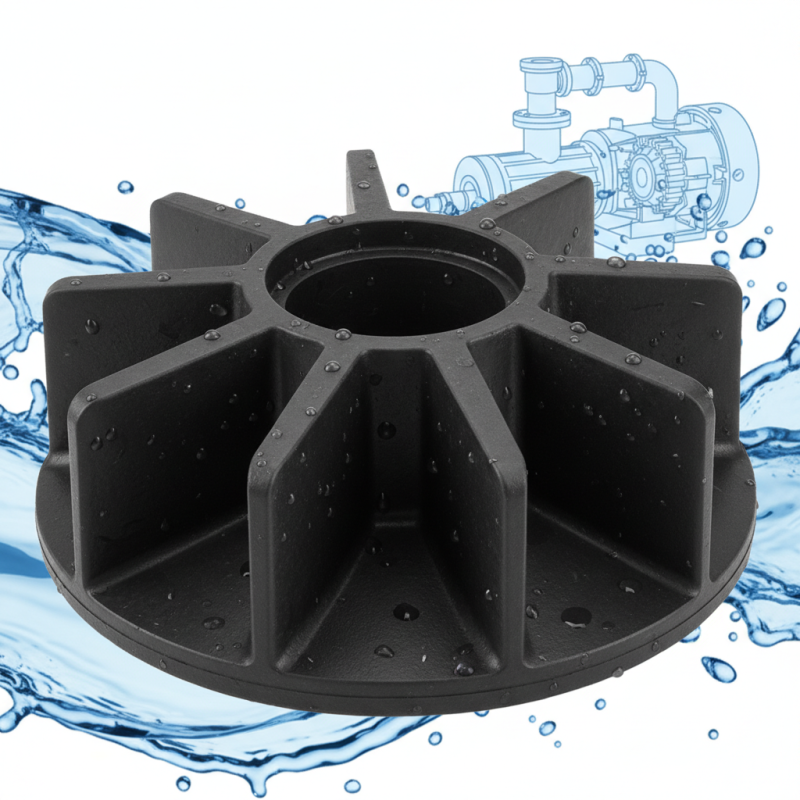
Benefits of Using Rubber Pump Impellers Over Traditional Materials
Rubber pump impellers offer numerous advantages compared to traditional materials like metal and plastic. One key benefit is their flexibility. This flexibility allows them to absorb shock and vibrations, helping to reduce wear and tear. According to a recent industry report, rubber impellers can last up to 30% longer than their metal counterparts in certain applications.
Additionally, rubber impellers are resistant to corrosion and chemical damage. This resistance makes them suitable for various environments. For instance, they perform well in water treatment and chemical processing. Studies indicate that using rubber impellers can decrease maintenance costs by approximately 20%. This reduction is significant for companies looking to cut operational expenses.
Despite their many benefits, rubber impellers do have limitations. Not all applications may benefit from their use. In high-temperature situations, rubber may not perform optimally. The choice between materials often depends on specific operational conditions. Users should evaluate their needs carefully before making a decision.
Durability and Flexibility: Key Features of Rubber Impellers
Rubber pump impellers are popular due to their unique features. Durability and flexibility stand out. These characteristics make them ideal for various applications. Rubber impellers can withstand wear and tear better than many materials. They handle abrasives well, making them suitable for tough environments. This resilience ensures a longer lifespan, reducing the need for frequent replacements.
Another key aspect is the flexibility of rubber. Impellers made from this material can absorb vibrations. This absorption leads to smoother operation in pumps. It also minimizes the risk of damage to other components. In many cases, the elasticity of rubber allows for easier installation. However, it is crucial to ensure compatibility with the fluid being pumped. Using the wrong type can lead to unexpected failures.
While there are many advantages, there are also considerations. Rubber impellers may not perform well in extreme temperatures. Under high heat, they can degrade faster than other materials. This aspect requires careful planning in applications involving hot fluids. Overall, selecting a rubber pump impeller demands thought. It’s about balancing flexibility with environmental demands.
Applications of Rubber Pump Impellers in Various Industries
Rubber pump impellers are versatile components widely used across various industries. In the water treatment sector, they handle abrasive materials and corrosive substances. These impellers help in efficiently moving liquids while minimizing wear and tear. Their flexibility allows for customized designs, fitting different pump types and sizes.
In agricultural applications, rubber impellers ensure smooth operation in irrigation systems. They can transfer fertilizers and pesticides safely, without contaminating the environment. Their resilience against temperature changes can enhance performance during peak seasons. Moreover, in the food and beverage industry, these impellers meet hygiene standards. They transport products without causing contamination, ensuring safety.
Choosing rubber impellers may present some challenges. They can wear out faster in highly abrasive environments compared to metal options. Regular maintenance is essential to prolong their lifespan. Users must weigh these factors when selecting components for their specific needs. Balancing durability and performance requires careful consideration.
Cost-Effectiveness and Maintenance Considerations for Rubber Impellers
When considering pump components, rubber impellers often stand out for their cost-effectiveness. A recent industry report indicates that rubber impellers can reduce operational costs by up to 30% compared to their metal counterparts. This savings stems from lower material costs and reduced energy consumption during operation. The inherent flexibility of rubber enables better performance in varying fluid conditions, optimizing pump efficiency.
Maintenance considerations are equally critical. Rubber impellers are less prone to corrosion and damage from abrasives. A study showed that maintenance costs for rubber impellers can be up to 40% lower over their lifespan. This translates to fewer downtime hours and less frequent need for replacement. Regular inspection can prolong their service life even further, yet some users overlook this simple step.
Some challenges remain, though. Rubber impellers might not be suitable for all applications or extreme conditions. Their efficacy can diminish at higher temperatures, which may limit usability in specific environments. Proper assessment of the system requirements is essential before making a choice. Balancing these factors is vital for maximizing performance and longevity in pump operation.
Why Choose a Rubber Pump Impeller for Your Needs?
This chart illustrates the cost-effectiveness and maintenance considerations for rubber impellers compared to other materials. The data reflects average maintenance costs and lifecycle times associated with different pump impeller materials.
Choosing the Right Rubber Pump Impeller for Specific Needs
When selecting a rubber pump impeller, consider your specific requirements. Different applications call for unique designs and materials. Rubber impellers are often preferred for their flexibility and resistance to wear. They can handle a variety of fluids and can adapt to changing conditions. This versatility makes them an excellent choice for many industries.
However, not all rubber impellers are the same. The hardness of the rubber, for example, influences performance. Softer materials may provide better flexibility but could wear out faster. On the other hand, harder rubbers are durable but might lack the necessary adaptability. It’s essential to match the impeller’s characteristics with your operational needs.
Take time to evaluate your fluid dynamics and pump specifications. This process can be complex and may involve trial and error. Engage with industry experts or consult technical guides to make an informed choice. In the end, the right rubber pump impeller can lead to improved efficiency and reduced maintenance costs.



 Find Your Solutions ▶