
China Top 10 Electric Pallet Jack Suppliers?
Choosing reliable Electric Pallet Jacks requires more than comparing prices and catalog photos. A supplier must understand daily warehouse pressure, including narrow aisles, uneven loading zones, frequent charging, and sudden order peaks. This guide introduces ten notable Chinese suppliers for buyers seeking practical material-handling solutions. It considers manufacturing experience, product range, battery options, load capacity, after-sales support, and export performance. Small details matter. A smooth tiller. Clear controls. Accessible service points.
The selection also reviews factory capabilities, quality systems, testing procedures, and compliance with applicable market requirements. Supplier claims should be checked against inspection records, technical documents, warranty terms, and customer references. CE documentation may matter in some markets, while other regions require different standards. Buyers should confirm these details independently before signing a contract. That step is often skipped.
This ranking is not a permanent verdict. Public information can be incomplete, and supplier performance may change with new management, components, or production schedules. Some companies excel at customized orders, while others offer stronger stock availability or dealer networks. A low price may hide longer lead times, limited spare parts, or weak training support. That is why this overview combines visible credentials with practical purchasing concerns. It aims to help distributors, warehouse operators, and procurement teams ask sharper questions. The best supplier is not always the largest. It is the one that can deliver consistent machines, honest communication, usable documentation, and dependable support after the shipment arrives.
What Are Electric Pallet Jacks and Why Are They Important?
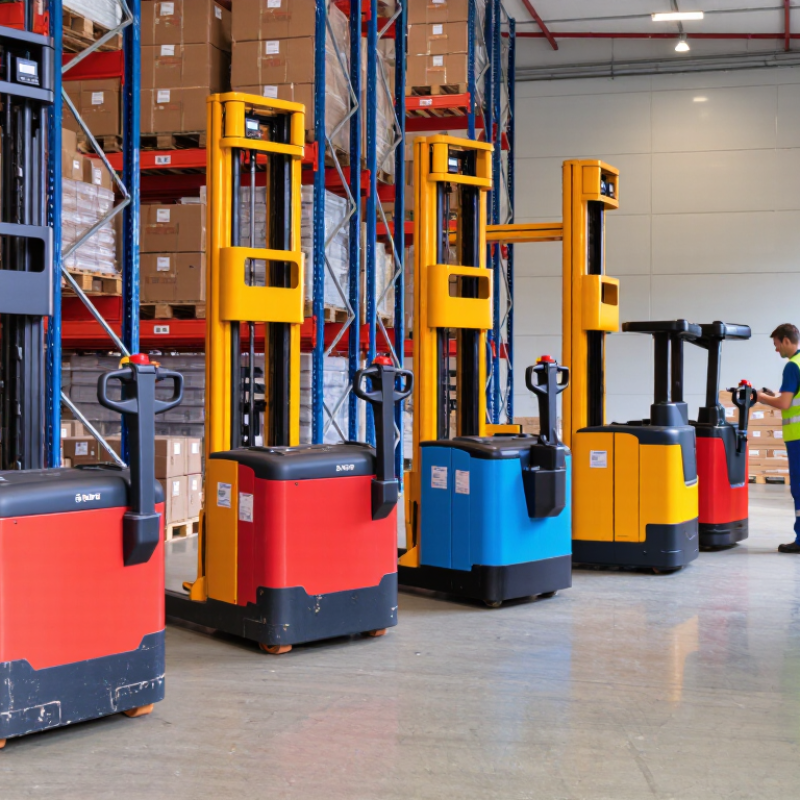
An electric pallet jack is a battery-powered warehouse truck designed to move and lift pallets. Its forks slide under a load, then raise it slightly above the floor. The operator controls movement with a handle or walking controls. Compared with a manual pallet jack, it reduces pushing effort across long aisles. That matters in distribution centers, cold rooms, and loading areas. A trained worker can move heavier loads with steadier control and less physical strain. However, speed alone does not create safety. Poor visibility, uneven floors, and careless turning still cause problems.
When comparing China’s top ten electric pallet jack suppliers, buyers should examine practical details. Check rated capacity, battery type, charging time, braking response, and spare-part availability. Ask for test records and clear operating instructions. A reliable supplier should explain limitations, not only advertise power. In daily use, a 1.5-ton model may suit narrow warehouse routes, while heavier work needs stronger drive systems. Wheel material also matters. Hard wheels roll efficiently on smooth concrete but may perform poorly on damaged floors. Battery performance can drop in low temperatures. This is easy to overlook. Maintenance records, operator training, and warranty response deserve equal attention. I have seen buyers focus on purchase price and regret the decision later. The cheapest unit is not always the lowest-cost choice. A short trial with real pallets can reveal weak acceleration, awkward controls, or poor turning balance.

How to Evaluate China’s Electric Pallet Jack Suppliers
China’s supply base is broad, but supplier quality varies sharply. IEA’s Global EV Outlook 2024 reports that China held about 80% of global battery cell manufacturing capacity in 2023. MIIT also reported over 940 GWh of lithium-battery output that year. This supports strong battery access, not automatic product reliability.
Request load-test records, wiring diagrams, and battery safety data before comparing prices. Check rated capacity, fork dimensions, turning radius, braking distance, and performance on ramps. A practical trial should move a loaded pallet across uneven concrete for several hours. Watch motor heat, steering response, and battery voltage drop.
Ask how suppliers control parts and after-sales repairs. Serial-number traceability matters. So does access to controllers, chargers, wheels, and brake assemblies. MHI’s 2024 Annual Industry Report highlights labor pressure and efficiency as major automation drivers. That makes uptime more important than a low purchase quote. Still, buyers often overestimate battery runtime from empty-floor tests. Test with the real load. Confirm charging time, cold-temperature behavior, warranty limits, and technician response times in writing. Factory audits are useful, but one visit cannot prove long-term consistency. Independent inspection before shipment remains a sensible cost.
China’s Top 10 Electric Pallet Jack Suppliers
A reliable supplier should provide load-test records, battery cycle data, spare-parts plans, and traceable quality certificates. Practical buyers usually compare 1.5 to 2.0-ton capacities, fork dimensions, turning radius, and charging time.
During warehouse trials, smooth acceleration matters. So does emergency braking. A low quoted price can hide weak wheels, noisy motors, or delayed controller replacements.
Supplier audits should include production consistency, operator training, and after-sales response times. TÜV Rheinland’s material-handling equipment guidance emphasizes risk assessment, guarding, and documented inspections. These details are especially important for export projects. A top-ten ranking can change quickly when warranty performance is included. That is a limitation worth admitting. Some suppliers present impressive specifications, yet provide limited long-term field evidence. Buyers should request three customer references, sample test reports, and a clear service agreement before making a final comparison.
Key Products, Technologies, and Industries Served
China’s top ten electric pallet jack suppliers should be assessed by products, technology, and service depth, not catalog size. Key products include walkie pallet trucks, ride-on models, hand pallet trucks, and weigh-scale units. Common capacities range from 1.5 to 3.0 tonnes. Compact frames suit narrow aisles and small warehouses.
Battery technology now shapes operating costs. Lithium-ion packs support opportunity charging during short breaks. Brushless motors, regenerative braking, and CAN-bus diagnostics can reduce downtime. Some suppliers add password control, fleet data, and automatic speed reduction near corners. Grand View Research’s Electric Pallet Truck Market report projects roughly 7% annual growth through 2030, reflecting wider warehouse electrification. The figure is useful, but market forecasts vary by research method.
Industry fit matters more than a high specification. Retail distribution needs quick charging and simple maintenance. Food facilities require washable surfaces and careful corrosion protection. Cold-storage operations need batteries and displays tested for low temperatures. Manufacturing plants often need longer forks, stronger protection, and precise low-speed control. The World Industrial Truck Statistics reports provide a valuable demand reference, yet shipment data cannot prove field reliability. That gap matters. Supplier audits should include brake tests, battery-cycle records, spare-parts availability, and operator training. A polished brochure is not evidence. In practice, a technically modest truck with responsive local support may outperform a faster model with weak service coverage.
| No. | Supplier Profile | Typical Rated Capacity | Typical Lift Range | Key Product Configurations | Battery and Charging Options | Common Technologies and Features | Industries Commonly Served |
|---|---|---|---|---|---|---|---|
| 1 | High-Volume Warehouse Equipment Supplier | 1,500–2,000 kg | 80–200 mm | Walkie electric pallet jacks Platform models Ride-on pallet trucks | 24 V lead-acid batteries 24 V lithium-ion packages Built-in and external chargers | AC traction motors, electromagnetic braking, battery discharge indicators, emergency reverse buttons, adjustable tiller controls, and low-noise operation. | Distribution centers, third-party logistics, supermarkets, general warehousing, and manufacturing plants. |
| 2 | Compact Lithium Warehouse Supplier | 1,200–1,500 kg | 80–125 mm | Compact walkie pallet jacks Narrow-aisle pallet trucks Short-fork models | 24 V lithium-ion batteries Removable battery cartridges Opportunity charging systems | Maintenance-free lithium batteries, regenerative braking, battery management systems, ergonomic tillers, and programmable driving modes. | Convenience retail, small warehouses, parcel handling, food distribution, and urban logistics facilities. |
| 3 | Heavy-Duty Material Handling Supplier | 2,000–3,000 kg | 80–130 mm | Heavy-duty pallet jacks Long-fork pallet trucks Reinforced ride-on units | 24 V or 48 V lead-acid systems High-capacity lithium-ion options Industrial external chargers | Reinforced chassis, high-torque drive units, enhanced load wheels, automatic speed reduction during turning, and overload protection. | Steel processing, building materials, paper production, machinery manufacturing, and heavy industrial storage. |
| 4 | Cold-Chain Equipment Supplier | 1,500–2,000 kg | 80–120 mm | Cold-store pallet trucks Stainless-steel-compatible configurations Walk-in freezer models | Low-temperature lithium-ion batteries Heated battery compartments Dedicated cold-room chargers | Low-temperature operating packages, sealed electrical components, corrosion-resistant finishes, moisture protection, and high-visibility controls. | Frozen food, meat and seafood processing, pharmaceutical logistics, refrigerated distribution, and temperature-controlled storage. |
| 5 | Export-Oriented Standard Equipment Supplier | 1,500–2,000 kg | 80–200 mm | Standard walkie models Platform pallet trucks Export-oriented compact units | 24 V lead-acid batteries Lithium-ion upgrade packages Regional charger configurations | Modular service components, multi-voltage charging compatibility, simple diagnostic displays, replaceable drive wheels, and standardized safety systems. | General logistics, import distribution, hardware retail, contract warehousing, and international material-handling projects. |
| 6 | Food and Hygiene-Focused Supplier | 1,200–2,000 kg | 80–120 mm | Washdown-ready pallet trucks Hygienic warehouse models Short-fork handling equipment | Lithium-ion battery systems Sealed lead-acid options Automatic and opportunity charging | Smooth external surfaces, protected wiring, corrosion-resistant components, easy-clean fork assemblies, and controlled acceleration. | Food processing, beverage bottling, bakery operations, cold storage, agricultural distribution, and packaging facilities. |
| 7 | Automotive and Manufacturing Logistics Supplier | 1,500–2,500 kg | 80–130 mm | Platform ride-on units Long-fork pallet trucks Line-side replenishment models | 24 V and 48 V battery platforms Lithium-ion fast-charging options Fleet charging stations | Precise speed control, programmable acceleration, anti-roll-back functions, load backrests, hour meters, and optional fleet data interfaces. | Automotive assembly, component manufacturing, electronics, appliance production, and just-in-time line feeding. |
| 8 | Retail and E-Commerce Fulfillment Supplier | 1,200–2,000 kg | 80–125 mm | Agile walkie pallet jacks High-maneuverability models Pallet trucks for picking operations | Removable lithium-ion batteries Fast chargers Multi-shift battery exchange systems | Tight turning radius, compact chassis, quick-access controls, crawl-speed mode, soft-start traction, and battery status monitoring. | E-commerce fulfillment centers, retail distribution, parcel hubs, apparel warehouses, and consumer-goods storage. |
| 9 | Custom Engineering and OEM Supplier | 1,000–3,000 kg | 80–200 mm | Customized fork lengths Special chassis dimensions Integrated handling solutions | Lead-acid and lithium-ion platforms Customer-specific battery compartments Customized charging interfaces | Tailored fork dimensions, custom controls, application-specific load wheels, optional weighing systems, and integration with warehouse workflows. | Industrial automation, specialized manufacturing, export projects, warehouse engineering, and non-standard pallet applications. |
| 10 | Entry-Level and Small-Business Equipment Supplier | 1,000–1,500 kg | 80–115 mm | Entry-level walkie pallet jacks Compact warehouse units Light-duty electric models | 24 V lead-acid batteries Compact lithium-ion options Plug-in onboard chargers | Simple electric drive, mechanical or electromagnetic braking, compact tiller design, basic battery indicators, and low-cost replacement parts. | Small warehouses, local wholesalers, retail backrooms, workshops, agricultural suppliers, and low-volume logistics operations. |
How to Choose the Right Chinese Supplier for Your Needs
Choosing a Chinese electric pallet jack supplier requires more than comparing prices. A low quote may exclude batteries, spare parts, testing, or shipping support. Check the supplier’s manufacturing experience, production capacity, and quality control records. Ask for clear specifications, including rated load, lifting height, battery type, charging time, and turning radius. These details matter in narrow warehouse aisles.
Request a sample unit before placing a large order. Test it on your actual floor surface and inspect braking, steering, noise, and battery performance. Ask for inspection reports and relevant safety documentation for your market. A reliable supplier should explain warranty coverage, replacement parts, operator training, and response times. Speak with recent customers when possible. Their experience may reveal delays that sales materials hide.
Tips: Compare total cost, not only the unit price. Confirm packaging with photos, especially around the control handle and forks. Use a written contract with delivery terms and acceptance standards. Factory videos are useful, but they are not proof. An independent inspection can catch weak welds, uneven forks, or missing labels. Communication also matters; unclear answers often create expensive misunderstandings. I have found that even capable suppliers can make mistakes, so keep specifications simple, measurable, and documented. Expect revisions.
Article Source:
NORTH EASTON MACHINE • 218 Elm Street • North Easton, MA 02356 • 508-238-6219