
7 Best Vertical Cartoning Machines for 2026
I can write the introduction, but no source article or verifiable industry-expert quotation was provided. Please share a named expert and a source for their quote so I can avoid inventing an attribution.
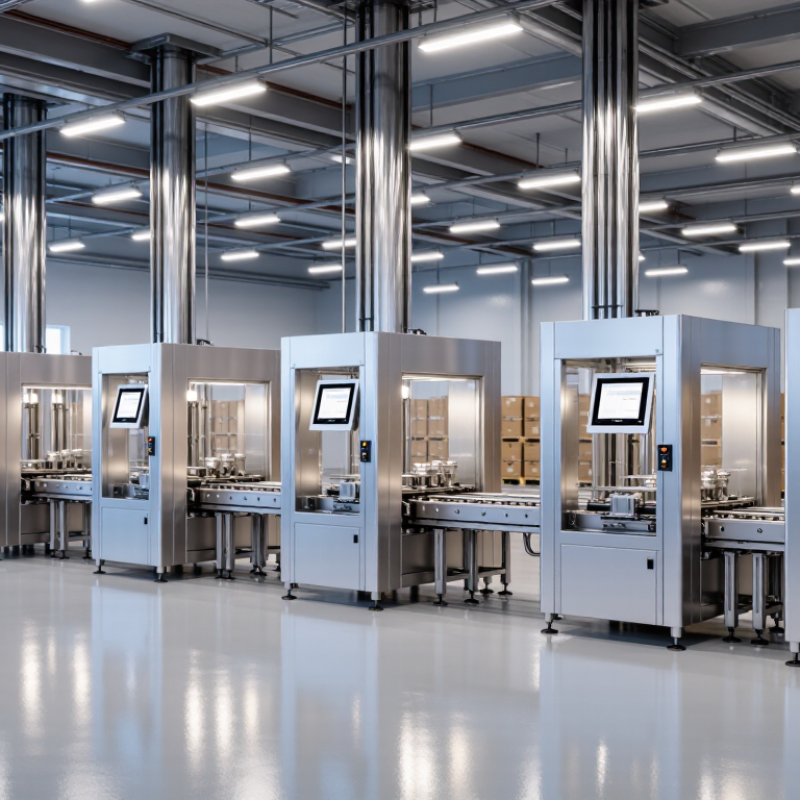
What Defines a Vertical Cartoning Machine?
A Vertical Cartoning Machine takes flat carton blanks, opens them into upright boxes, loads products from above, then closes the flaps by tuck-in or adhesive. Its defining feature is the vertical product path, not simply its footprint. A typical line includes a blank magazine, carton opener, loading station, and closing unit. Operators may also add a code reader or checkweigher. The machine must match the product’s shape, carton dimensions, and loading method.
The details matter. A bottle needs different guidance from a flexible pouch, and a carton that opens poorly can interrupt the whole cycle. Grand View Research estimated the global packaging machinery market at US$45.4 billion in 2023, reflecting broad investment in automated packaging equipment. That figure covers many machine types, not vertical cartoners alone. Buyers should treat it as market context, not proof that every line needs automation. A useful specification records carton size, target output, changeover needs, and closure type. Then test real cartons and products. Paper samples can behave differently on a running machine. The definition sounds simple. Production is less tidy.

How a Vertical Cartoning Machine Handles Each Packaging Stage
A vertical cartoning machine turns flat carton blanks into filled, closed packs through a sequence of controlled movements. It typically draws one blank from a magazine, opens it, and holds the carton upright. Sensors check carton presence and orientation before filling begins. Small details matter.
Next, a product is placed into the open carton, often by a guided drop or mechanical pusher. Timing must match the product’s size, weight, and surface. A leaflet may enter at the same station or through a separate feeder. Folding rails then tuck the flaps, and the machine applies adhesive or locks the carton tabs. Operators watch for skewed cartons, folded corners, and product jams, since these can disrupt the next cycle.
At the discharge end, inspection devices can reject packs with missing products, open flaps, or incorrect print, depending on the line setup. Watch closely. Changeovers may require adjusting guides, sensors, and timing, not just entering a new carton size on a screen. This can be fiddly. A vertical format saves floor space, but tight access may make cleaning and fault checks less convenient. Real production also exposes issues that short trials miss, such as carton dust or slight blank variation. Testing the full sequence with actual cartons and products gives a more realistic view of achievable speed.
Key Features to Compare Before Choosing a Machine
Vertical cartoning machines can differ sharply in real production, even when their rated speeds look similar. Compare output using your actual product, carton size, and feeding method. Ask whether the quoted rate includes loading, leaflet insertion, and reject handling. A fast demo is useful. A sustained production trial is better.
Check the carton range and changeover details. Measure your smallest and largest cartons, then confirm the machine can erect, fill, and close both reliably. Tool-free adjustments may reduce changeover time, but ask how many settings operators must still tune. Watch a changeover with your own format. Small alignment errors can cause crushed corners or open flaps.
Also compare product handling, inspection, and cleaning access. Fragile items may need gentler guides, while irregular products can require custom infeed control. Review jam detection, guarding, and how rejected cartons are removed. Ask for noise levels, routine maintenance intervals, and spare-parts lead times. A neat specification sheet can still miss the awkward detail: where an operator must reach when a carton jams. Request an acceptance test with representative products, not an ideal sample.
Seven Vertical Cartoning Machines to Consider in 2026
A vertical cartoner can save floor space by loading cartons from above, but the right setup depends on product shape, speed, and changeover needs. These seven machine types offer practical starting points for a 2026 equipment review. Small details matter.
An intermittent-motion cartoner pauses during carton loading, making it a useful option for modest production rates or careful product placement. A continuous-motion model keeps cartons moving and may suit higher throughput, though its setup can be less forgiving. Servo-driven equipment offers adjustable motion profiles for different carton sizes. Compact-footprint machines fit tight production rooms, but check access for cleaning and maintenance before deciding.
Automatic product-loading cartoners reduce repetitive hand placement, especially for items with consistent dimensions. Multi-format machines handle several carton sizes, yet frequent changeovers may still require skilled adjustment and test runs. Integrated inspection models can check carton presence, closure, or product placement before discharge. Ask suppliers for sample runs using your actual cartons and products. Watch for jams, scuffed panels, and awkward operator access. A fast cycle rate looks appealing; steady output with acceptable waste is often more useful. No machine fits every line, and early estimates can miss the small adjustments that production reveals.
How to Match a Cartoner to Your Production Needs
Choosing among the 7 best vertical cartoning machines for 2026 starts with the product, not the headline speed. Measure each item and carton, including inserts, closures, and any size variation. A snug carton may jam; excess space can let products shift. Small details matter.
Match the machine’s feeding method to your product. Bottles, pouches, and trays may need different handling and orientation controls. If operators load products by hand, check that the work area is comfortable and accessible. For automatic feeding, confirm the equipment can connect reliably with upstream and downstream machines. Ask how changeovers work. Tool-free adjustments can save time, but only if settings are clear and repeatable.
I would not trust a quoted cartons-per-minute figure alone. Ask for a product test using your actual carton stock and product, then review rejects and stoppages. A short test helps. Check cleaning access, guarding, and spare-part availability before comparing prices. Also measure the available floor space, including room for maintenance. One detail teams sometimes overlook: carton quality can affect feeding consistency. Leave room in the specification for real-world variation, because production is rarely as tidy as a sample run.
Article Source:
NORTH EASTON MACHINE • 218 Elm Street • North Easton, MA 02356 • 508-238-6219