Best Sandblast Rubber Hose for Optimal Performance?
In the world of sandblasting, selecting the right equipment is crucial. One critical component is the Sandblast rubber hose. It connects the compressor to the nozzle, delivering abrasive materials effectively. According to industry reports, over 70% of performance issues in sandblasting can be traced back to inadequate hoses.
Quality matters when choosing a sandblast rubber hose. A well-designed hose can enhance operational efficiency. Data shows that using the appropriate hose can increase productivity by up to 30%. However, not all sandblast rubber hoses are created equal. Factors like material composition and flexibility play significant roles in performance.
Many users overlook the importance of regular inspection. A damaged hose can lead to abrasive leakage, decreasing effectiveness. Understanding this element of maintenance is essential for optimal output. A habit of checking for wear and tear can prolong the hose's life. In a field that prides itself on precision, every detail counts. Choosing the best sandblast rubber hose is a decision that should not be taken lightly.
Understanding Sandblast Rubber Hoses: Features and Specifications
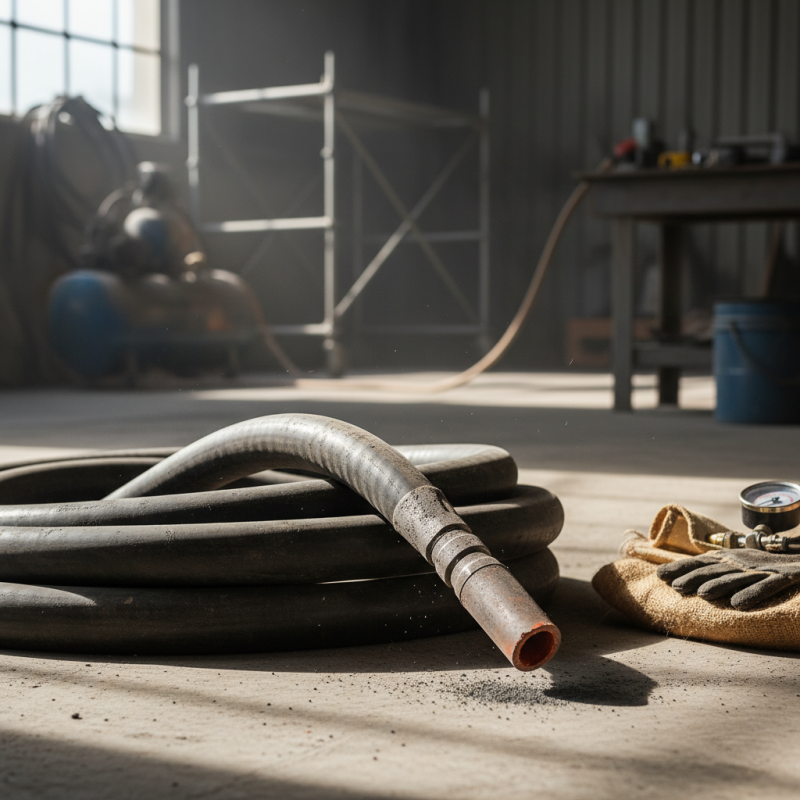
Sandblast rubber hoses are essential for various industrial applications, especially in abrasive blasting. Their primary features include high abrasion resistance, flexibility, and durability under extreme conditions. According to a recent industry report by TechSci Research, the global market for sandblast hoses is expected to grow significantly, driven by increasing demands in construction and manufacturing sectors.
When selecting a sandblast rubber hose, consider the specifications that matter most. The inner lining typically contains high-grade rubber to withstand harsh materials. Thickness varies, usually ranging from 1/4 inch to 3/8 inch, affecting both flexibility and performance. Hoses should also be lightweight for better maneuverability. However, they can be prone to wear and tear, requiring regular inspections for cracks or abrasions, which often go unnoticed.
A common oversight involves overlooking the importance of coupling quality. Poor-quality couplings can cause leaks and reduce hose lifespan significantly. It is also vital to match the hose diameter to the equipment specifications. An improper fit can lead to a decline in performance and efficiency. Regular maintenance is necessary for optimal function. Remember, performance can diminish over time, making vigilance crucial.
Best Sandblast Rubber Hose Performance Comparison
Key Factors Influencing Sandblast Hose Performance
When choosing a sandblast rubber hose, several key factors come into play. The material of the hose is vital. Rubber blends often enhance flexibility and durability. A sturdy yet supple hose can withstand extreme conditions. However, not all rubber hoses perform well under pressure. It’s crucial to ensure the hose can handle the specific abrasives used.
Another important factor is the hose diameter. A larger diameter allows for greater flow rates. This is particularly beneficial when working with coarse materials. Nevertheless, a hose that's too large can create inefficiencies. Ensure the diameter matches the requirements of your sandblasting equipment. Pay attention to the length of the hose as well. A longer hose may hinder performance due to friction.
Temperature resistance is also essential. Sandblasting often takes place in harsh environments. The hose should withstand heat without degrading. However, not every hose will have this capability. Always check specifications to avoid potential failures. The right selection is about balancing these factors. It is easy to overlook details, but precision matters. Consider flexibility, diameter, and resistance carefully for optimal performance.
Comparative Analysis of Different Sandblast Hose Materials
When it comes to sandblast hoses, the material greatly impacts performance. Different materials offer various strengths and weaknesses. Common options include rubber, PVC, and composite materials.
Rubber hoses are often favored for their flexibility. They can withstand abrasive materials. Yet, they may degrade under extreme weather conditions. PVC hoses, while lighter, are less resistant to punctures. They can stretch but may not handle heavy-duty tasks. Composite hoses combine the best of both worlds. They offer durability and flexibility but come at a higher cost.
Choosing the right material is crucial for optimal performance. It’s important to consider the specific application. Will the hose be exposed to harsh weather? How frequently will it be used? Each material has its trade-offs. Not every hose will suit every task perfectly. A thoughtful decision can prevent costly replacements down the line.
Maintenance Tips for Longevity of Sandblast Rubber Hoses
Proper maintenance of sandblast rubber hoses is crucial for their longevity and optimal performance. These hoses endure high pressure and abrasive materials, leading to wear and tear. Regular inspection is vital. Look for cracks, abrasions, or any signs of fatigue. A small issue can escalate quickly, affecting performance. Remember, prevention is better than repair.
Cleaning the hose after each use can extend its lifespan. Use a mild detergent and water to remove any debris. Avoid harsh chemicals that could damage the rubber. Always store the hoses in a cool, dry place. Sunlight and extreme temperatures can degrade rubber. Coiling the hose without kinks can also help maintain its shape.
Lastly, don't overlook the connections and fittings. Regularly check them for leaks or damage. Tighten loose fittings to prevent air loss. Over time, components wear out. Replacing them promptly can save you from more extensive repairs later. A little attention goes a long way. Neglecting these small details could lead to significant issues, causing downtime and costly replacements.
Best Sandblast Rubber Hose for Optimal Performance? - Maintenance Tips for Longevity of Sandblast Rubber Hoses
| Hose Diameter (Inches) | Working Pressure (PSI) | Material | Temperature Range (°F) | Recommended Maintenance |
| 1.25 | 150 | Natural Rubber | -20 to 180 | Clean after use, check for abrasions |
| 1.5 | 200 | Synthetic Rubber | -10 to 200 | Store in cool place, avoid kinks |
| 2.0 | 250 | Neoprene | -10 to 220 | Inspect regularly for wear and tear |
| 2.5 | 300 | PVC | 0 to 160 | Rinse with water, hang to dry |
| 3.0 | 350 | EPDM | -40 to 210 | Keep away from sunlight, check fittings |
Choosing the Right Sandblast Hose for Your Specific Application
Choosing the right sandblast hose is crucial for optimal performance in various applications. According to industry reports, the wrong hose can lead to significant productivity losses. A study indicates that using the appropriate hose can increase sandblasting efficiency by up to 30%. This efficiency gain is vital for businesses that rely on precision in surface preparation.
When selecting a sandblast hose, consider length and diameter. A longer hose can reduce pressure, impacting effectiveness. Additionally, the inner diameter affects material flow. Research shows that a hose with a smaller diameter can lead to increased wear, making frequent replacements necessary. This can be costly over time.
It's also critical to evaluate material compatibility. Not all hoses withstand the abrasive nature of sandblasting. Some may crack or degrade quickly, leading to leaks. The 2023 Equipment Maintenance Report stresses maintaining hoses to reduce breakage risks. Pay attention to your specific needs. Industry data suggests that a tailored solution can yield far better results than a one-size-fits-all approach.



 Find Your Solutions ▶