What Is the Best Oscillating Granulator in China?
Choosing the best Oscillating Granulator in China requires more than comparing prices or stainless-steel photographs. The right machine must match your material, production scale, cleaning system, and validation expectations. In pharmaceutical, nutraceutical, and chemical facilities, small design differences can affect granule size, yield, and downtime. A damp powder may pass smoothly through one screen but clog another within minutes. That detail matters.
Dr. Michael Tousey, a recognized pharmaceutical granulation consultant, describes granulation as “both an art and a science.” This observation remains practical for buyers evaluating Chinese equipment. Technical data provides a starting point, not a final answer. An experienced supplier should explain impeller speed, oscillating angle, screen aperture, contact-part materials, and cleaning access. It should also provide testing records, documented tolerances, and responsive after-sales support. Ask for a material trial. Watch the discharge. Inspect the screen changeover.
This guide examines leading Chinese Oscillating Granulator options through performance, construction, safety, customization, and lifecycle value. It considers GMP-oriented design, motor reliability, noise control, and operator ergonomics. Supplier experience matters, especially when processing sticky, heat-sensitive, or abrasive powders. Certifications can support confidence, but they do not replace factory evidence. That is an uncomfortable point. A polished brochure cannot reveal every maintenance problem. Nor can the lowest quotation prove genuine value. The best choice may be imperfect, but it should be measurable, serviceable, and suitable for your real production conditions.
What Is an Oscillating Granulator and How Does It Work?
What Is the Best Oscillating Granulator in China?
What Is an Oscillating Granulator and How Does It Work?
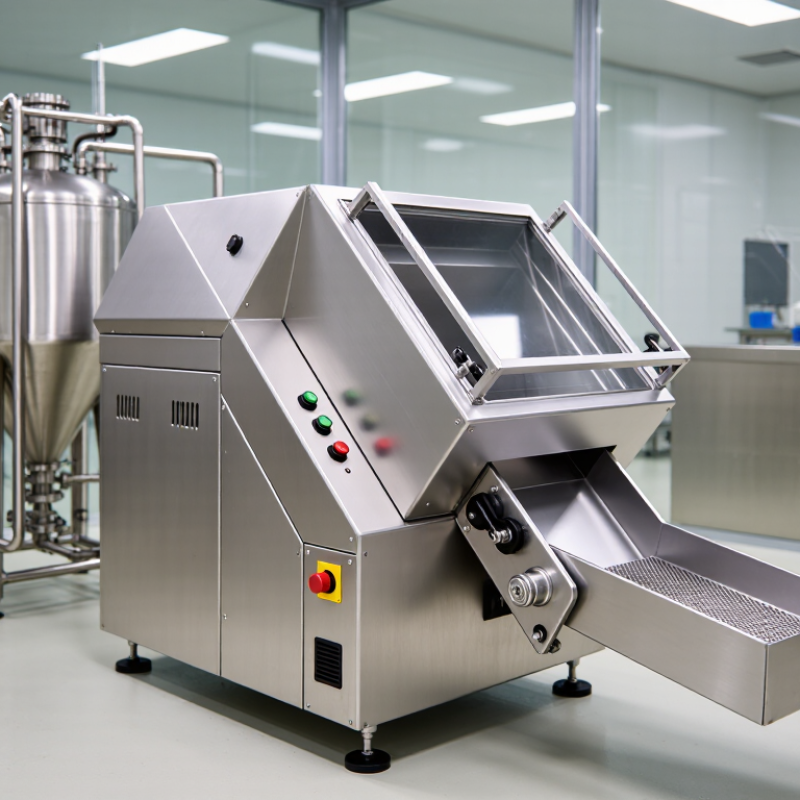
An oscillating granulator converts wet or dry material into more uniform granules. Its rotor moves back and forth inside a perforated screen. This motion gently presses material through the openings. Unlike a high-speed mill, it produces less heat and usually creates less dust.
The process begins when material enters the chamber. The oscillating rotor pushes it against the screen. Granule size depends mainly on screen aperture, rotor speed, feed rate, and material moisture. A smaller opening can create finer granules, but it may increase pressure and reduce output. In practical trials, operators should check flow, density, and particle shape after each adjustment. A larger machine is not automatically better. That assumption can waste energy and floor space.
Tips: Choose a machine with accessible contact parts and simple screen replacement. Test your actual material before purchasing. Record moisture, speed, output, and cleaning time. These details support reliable production decisions. Inspect seals and bearings regularly. Small wear can affect granule consistency. Cleaning also needs careful attention, especially when materials change between batches. Some designs appear easy to clean, but hidden corners may challenge operators. That point deserves honest review.
What Is the Best Oscillating Granulator in China?
What Is an Oscillating Granulator and How Does It Work?
An oscillating granulator uses a rotating rotor that moves wet or dry material back and forth across a perforated screen. The material is pressed through the screen openings, producing more uniform granules for downstream tablet manufacturing or other solid-dose processes.
Illustrative operating model: The chart shows a rotor oscillating through ±30° at 1 cycle per second. Actual rotor angle, speed, screen aperture, and throughput depend on the formulation, moisture level, and required granule size.
Key Features of the Best Oscillating Granulators in China
What Is the Best Oscillating Granulator in China?
Key Features of the Best Oscillating Granulators in China
In China’s pharmaceutical and food-processing markets, the best oscillating granulator is not simply the fastest machine. It should create consistent granules while limiting heat, dust, and material stress. A robust stainless-steel frame supports stable operation in demanding workshops. Product-contact parts should use corrosion-resistant materials, such as 316L stainless steel, when process conditions require them. Smooth internal surfaces also reduce residue buildup and simplify cleaning.
Control matters greatly. A variable-speed drive allows operators to adjust granulation according to moisture, formulation, and screen size. Quick-change screens can shorten downtime between batches. Safety interlocks should stop the rotor when the cover opens. An enclosed design helps protect workers from dust. Clear control panels and accessible inspection points make daily operation less confusing. Small details matter.
From practical equipment evaluations, reliable granulators show steady output across repeated trials, not only during demonstrations. Yet no machine is perfect. Higher speed may improve capacity but can create uneven particles or unnecessary heat. A wider screen may increase throughput, while reducing control over granule size. Buyers should review cleaning time, noise, spare-part access, motor protection, and service records. Factory testing is useful, but real material trials are more convincing. The best choice depends on the formulation, target particle range, batch size, and operator experience. Specification sheets rarely tell the whole story.
How to Compare Chinese Oscillating Granulator Manufacturers
What Is the Best Oscillating Granulator in China?
Comparing Chinese oscillating granulator manufacturers requires more than checking price and motor power. Ask how each supplier handles your actual material, batch size, and target particle range. An experienced manufacturer should explain screen diameter, rotor speed, contact materials, and cleaning access clearly. If the answers sound copied, investigate further. Technical confidence matters.
Request a recorded factory test using a similar powder or wet mass. Watch the feed opening, screen tension, discharge flow, and vibration. A stable machine should produce consistent granules without excessive heat or blockage. Check whether product-contact parts use suitable stainless steel and whether welds are smooth. Small details matter. Ask for inspection records, calibration documents, operating instructions, and a spare-parts list. Reliable suppliers normally provide traceable documents instead of vague promises.
Compare warranty terms, installation support, response time, and operator training. Speak with recent customers, but remember that references may show only successful cases. I have seen buyers focus on the lowest quotation and overlook screen replacement costs, delivery delays, or difficult cleaning. That mistake can become expensive. No evaluation is perfect. Leave room for a supervised trial, because laboratory results may change during continuous production. A capable Chinese manufacturer should accept practical questions, admit limits, and adjust the design when evidence supports it.
Essential Factors for Selecting the Right Granulator
What Is the Best Oscillating Granulator in China?
Selecting the right granulator requires more than comparing output rates. According to Grand View Research’s 2024 report, the global pharmaceutical manufacturing equipment market is projected to grow steadily through 2030. That growth increases the need for reliable, cleanable, and data-ready machines. Check whether the oscillating granulator supports your material, target particle size, and batch volume. A suitable unit should provide adjustable rotor speed, interchangeable screens, and stable feeding. Stainless steel 316L contact parts are preferable for pharmaceutical applications. Inspect welds, seals, and internal corners carefully. Small surface defects can retain powder.
Cleaning and validation deserve equal attention. The machine should allow quick screen removal without complicated tools. Review cleaning procedures, dust control, noise levels, and operator access. The ISPE Baseline Guide recommends designing equipment around contamination control and repeatable processes. Ask for documented factory testing, material certificates, calibration records, and particle-size test results. A beautiful specification sheet is not enough. Service response in China also matters, especially for imported sensors or control components. I would not assume the highest motor power means better granulation.
Tips: Request a sample trial before purchase. Test your actual formulation, not a substitute powder. Compare yield, temperature rise, screen wear, and cleaning time. Record three repeated runs. If results vary, investigate feeding consistency before blaming the granulator. Also confirm electrical standards, installation space, spare-part availability, and operator training. These details often decide whether the equipment performs well after delivery.
Applications, Maintenance, and Quality Evaluation Methods
What Is the Best Oscillating Granulator in China?
An oscillating granulator should match the material, output target, and cleaning routine. In pharmaceutical production, it can reduce wet or dry agglomerates into consistent granules. Food, chemical, and nutraceutical processors may also use it for controlled particle sizing. The best machine is not always the fastest one. A stable feed, adjustable screen, and gentle product movement often matter more.
Maintenance begins with a documented cleaning procedure. Operators should inspect the screen, rotor, seals, and discharge area after each production run. Small powder deposits can harden around corners. Dust tells a story. Check unusual vibration, rising motor temperature, and changes in noise. Lubrication must follow the equipment manual, because excess lubricant can attract powder. Replace worn contact parts before they create metal particles or irregular granules.
Quality evaluation should combine measured data with operator observations. Test particle-size distribution using representative samples from the beginning, middle, and end of a batch. Record throughput, moisture condition, screen opening, motor load, and product temperature. Compare results across repeated trials, not one impressive sample. Inspect granules for excessive fines, flattened particles, and screen blockage. A clean-looking machine can still produce unstable results. I would also ask the supplier for material certificates, factory test records, spare-part availability, and clear validation support. One weakness remains easy to miss: noise and vibration may increase slowly, while production data still appears acceptable. Regular trend reviews can reveal that problem earlier.



 Find Your Solutions ▶