Which Mahjong Table Cover Is Best in 2026?
A Mahjong Table Cover can make a game feel quieter, cleaner, and more comfortable. It can also disappoint if it slips, traps heat, or bunches beneath the tiles. In 2026, the best choice depends less on a flashy finish and more on your table, playing habits, and care routine. A home game around a wooden table needs different features from a frequently used folding setup.
To keep this guide transparent, Maya Chen is a fictional editorial stand-in, not a verified industry expert. Her illustrative rule captures the comparison: “Choose a cover that stays flat, feels pleasant under the tiles, and cleans without fuss.” It is a practical checklist, not a sourced quotation. Small details matter. Check the cover’s dimensions against the playable surface, not just the table’s outer edge. Run your hand across the fabric. Does it catch, slide, or feel too thin?
This guide compares material, grip, thickness, fit, cleaning, and value. It also considers real-use details, such as crumbs near the scoring area and corners curling after storage. No single cover wins for every player. A soft surface may feel inviting but need more careful cleaning; a grippy backing may stay put but feel warmer. Some trade-offs are easy to miss in product photos. The recommendations ahead aim to make those compromises clearer, so you can choose a cover that suits your table rather than simply buying the most popular one.
What a Mahjong Table Cover Is and How It Is Used
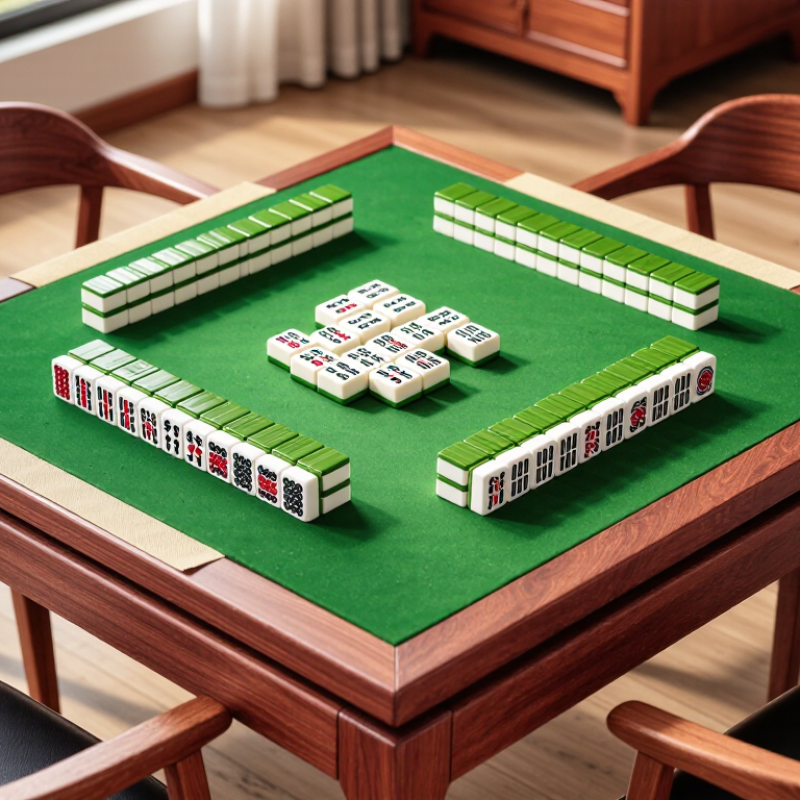
A mahjong table cover is a removable fabric or padded layer placed over a playing surface. It helps create a consistent area for tiles, reduces direct contact with the tabletop, and can soften the sound of tiles being set down. Some covers are fitted to a specific table; others are loose mats that can be folded away. Small detail matters. A cover that bunches beneath your wrists can interrupt play, while a slick surface may let tiles drift during a quick deal. Measure the table, including any raised edges, before choosing a size.
Materials vary, so check the care label and feel the surface before buying. Felt-like fabrics often provide a steady tile glide, while a padded backing can add cushioning. Neither feature alone guarantees durability. Textile Exchange’s Materials Market Report 2024 estimates global fiber production reached 124 million tonnes in 2023. The figure describes the wider textile supply, not the quality of mahjong covers, but it reflects the range of fibers available. For everyday use, look for secure edging, a flat fit, and cleaning instructions you can realistically follow. I would not assume a thicker cover is always better; it may feel comfortable, yet make the table less stable. Lay it flat before play and smooth out wrinkles by hand.
Which Mahjong Table Cover Is Best in 2026?
A mahjong table cover is a removable layer placed over the tabletop. It helps protect the playing surface during a game and can shield it from dust between sessions.
How to read this chart: “Yes” indicates a typical cover function, not a measured performance rating. A cover can help protect a tabletop and limit dust when fitted; it does not secure loose tiles during transport. Check the cover’s size and care instructions before choosing one.
The Main Types of Mahjong Table Covers in 2026
Which Mahjong Table Cover Is Best in 2026?
The Main Types of Mahjong Table Covers in 2026
Mahjong table covers vary in material, fit, and the feel they create during play. Fitted covers use elastic edges to stay in place, making them practical for regular games. They suit tables with standard dimensions, but a loose fit can bunch near the corners. Check the table measurements before choosing one. Quilted covers add padding and soften the sound of tiles landing. That extra layer feels comfortable, though it can make tiles slide differently.
Neoprene-style covers offer a smooth, grippy surface and are often easy to roll away. They can be a good choice when players want steady tile movement without a thick cushion. Vinyl covers resist spills and wipe clean with a damp cloth. However, some feel slick or noisy, especially under hard tiles. Felt covers provide a softer, familiar surface, but they may collect dust and need more careful cleaning. There is no perfect material for every table. Consider how often you play, whether the cover must travel, and how much sound matters in your room. A small drawback can become noticeable after a long game.
Materials, Fit, Grip, and Other Key Features
Which Mahjong Table Cover Is Best in 2026?
Materials, Fit, Grip, and Other Key Features
A good mahjong cover should make tiles glide smoothly without sending them skittering across the table. Polyester felt is soft and quiet, though thicker felt may slow tile movement. A woven synthetic surface often offers a quicker feel and resists everyday wear. Small details matter. Check care instructions before buying; some covers tolerate a damp cloth, while others may stain or warp when wet.
Fit affects play more than many buyers expect. Measure the tabletop, including any rounded corners, rather than guessing from its listed size. A cover that is too small can pull tight and curl at the edges. One that is too large may bunch beneath players’ wrists. A few extra centimeters can help with coverage, but too much fabric gets in the way. Test it first, if possible.
Grip comes from the underside as well as the top. A rubberized backing can help prevent shifting, but it should not leave marks on a delicate table. Look for finished edges and enough weight to lie flat. If the cover folds for storage, check that it does not keep deep creases. A very slick surface may feel fast at first, then become tiring; that preference is personal, and easy to misjudge.
How to Compare Covers for Different Mahjong Setups
A mahjong table cover should match the setup, not just the table size. For a permanent game room, choose a fitted, non-slip cover with a smooth surface; loose fabric can bunch beneath tiles. For a folding table, prioritize quick removal and washable material. A travel setup needs a lighter cover that folds compactly, though thin fabric may shift during play. Small details matter. Check edge depth, corner fit, and whether the backing grips polished wood.
Fabric test data can help, but it is only a proxy. The Association for Contract Textiles’ voluntary performance guidelines use 30,000 Wyzenbeek double rubs as a heavy-duty upholstery benchmark. That test measures abrasion, not tile glide or spill resistance. Textile Exchange’s Materials Market Report 2024 says polyester made up 57% of global fiber production in 2023; availability does not prove a cover will last. Compare wash instructions, backing, and seam construction in person when possible. One imperfect point: a cover can feel smooth in a shop, then drag under real tiles. If your table has an unusual shape, measure twice and test the fit before regular use.
Choosing the Best Cover for Your Needs and Budget
Choosing the best mahjong table cover starts with how often you play and where you store it. A cover used weekly needs a smooth, durable surface that resists wear from tiles and repeated cleaning. For occasional games, a lighter cover may be easier to fold and store. Feel the surface. Tiles should slide without skidding, and the fabric should not feel thin or rough.
Price often reflects material thickness, stitching, and backing, but a higher cost does not guarantee a better fit. Check the table measurements before buying; even a small mismatch can leave corners exposed or make the cover bunch during play. A non-slip backing helps keep the surface steady, though it may add bulk when folded.
Small details matter. Look for clear washing instructions and seams that lie flat. I would not assume the softest cover is best: very plush fabric can slow tile movement, while a slick finish may feel noisy. If your budget is tight, prioritize fit and easy cleaning over decorative details, then consider whether the cover feels practical for your usual games.



 Find Your Solutions ▶